In the apparel industry, the smallest details can make a lasting impression. A carefully embroidered logo, a comfortable fabric, or a well-finished seam can influence how customers perceive a clothing brand. Behind these details lies a combination of skilled workmanship, material selection, and thoughtful manufacturing decisions.
For fashion labels, retailers, and wholesale buyers, creating high-quality apparel requires more than an attractive design. It means choosing suitable fabrics, maintaining consistent production standards, and understanding how each manufacturing stage contributes to the finished product. As customer expectations continue to evolve, these priorities are becoming increasingly important for businesses seeking to build recognizable and dependable clothing collections.
Embroidery Adds Character to Clothing
Embroidery offers a distinctive way to add texture, branding, and visual interest to garments. Unlike printed designs, embroidered details use thread to create a raised, textured finish that can give clothing a more refined or personalized appearance.
Professional Fabric Embroidery Services USA can support different applications, including company logos, decorative patterns, monograms, uniforms, sportswear, and promotional clothing. The best approach depends on the fabric, design complexity, stitch density, and intended use of the finished garment.
For example, a small embroidered logo on a polo shirt may require a different setup from a detailed design on a jacket. Fine fabrics may need careful stabilization to prevent puckering, while thicker materials may require adjustments to needle selection and stitching techniques.
Design preparation is equally important. Artwork should be evaluated before production to ensure that lettering remains legible, fine details are achievable, and the design fits the available space. Testing the embroidery on a sample garment can help identify potential issues before a larger order is produced.
When planned properly, embroidery can strengthen brand identity while adding a durable decorative feature to apparel.
Choosing Fabrics That Support Design and Performance
The appearance of an embroidered garment depends partly on the fabric beneath the design. Material weight, stretch, surface texture, and construction can all affect the final result. Therefore, fabric selection should happen early in the product development process.
Cotton is commonly chosen for its softness and breathability, making it suitable for casual clothing and many everyday garments. Polyester blends can offer durability and easier care, while knitted fabrics often provide flexibility for T-shirts, activewear, and other comfortable styles. Woven fabrics may be preferable when a structured appearance is required.
Businesses working with textile manufacturers USA should evaluate more than the initial material price. Fabric consistency, availability, color matching, finishing quality, and compatibility with the intended decoration method can all influence production outcomes.
Requesting samples is a practical way to assess these characteristics. Brands can examine how a material feels, responds to stitching, maintains its shape, and performs after washing. These checks help reduce uncertainty before committing to bulk quantities.
Clear specifications also make repeat orders easier to manage. Documenting fabric composition, weight, color references, and acceptable tolerances helps manufacturers work toward consistent results across different production batches.
Why Responsible Garment Production Matters
Modern clothing businesses are paying greater attention to the environmental and operational impact of their supply chains. Customers may want to know where materials originate, how garments are made, and whether brands are taking meaningful steps toward responsible production.
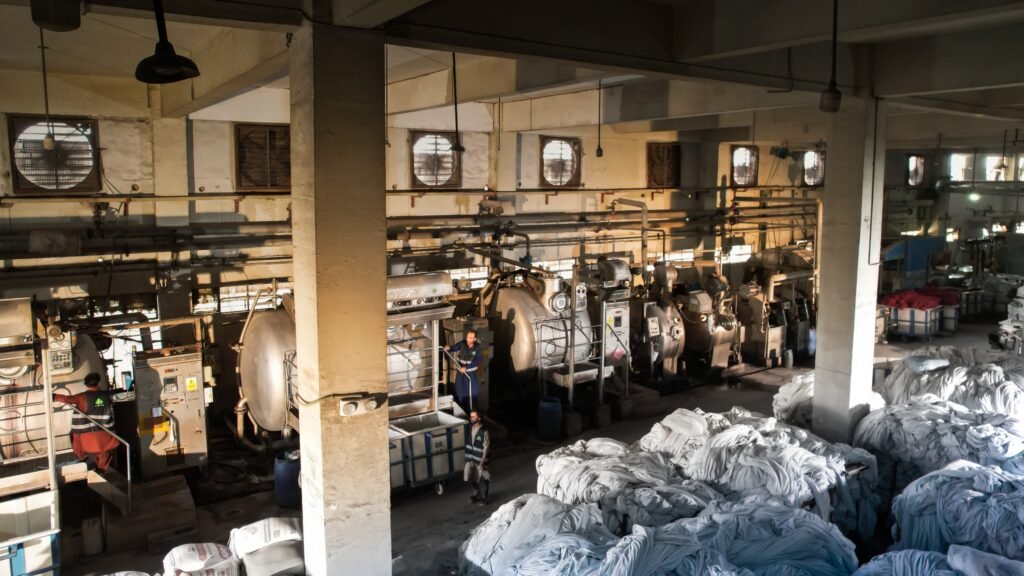
A Sustainable Garments Company USA may help businesses explore production practices that align with these priorities, depending on its actual capabilities and sourcing arrangements. Potential approaches include improving fabric utilization, reducing unnecessary production waste, selecting suitable lower-impact materials, and monitoring water and energy use.
Production planning can also support sustainability. Accurate demand forecasting helps businesses avoid manufacturing excessive inventory, while careful cutting layouts can reduce leftover fabric. Sample approval before bulk manufacturing can prevent avoidable rework and discarded products.
Nevertheless, sustainability should be evaluated through specific evidence rather than broad claims. Brands should ask suppliers about their material sourcing, relevant certifications, waste management practices, and available documentation. Any environmental statements used in marketing should accurately reflect the products and processes involved.
Responsible manufacturing is not limited to material selection. Fair working conditions, transparent supplier relationships, and consistent quality management are also important considerations when assessing a production partner.
Connecting Embroidery With the Manufacturing Process
Embroidery is most effective when it is integrated into the broader garment production plan. The timing of decoration, the placement of designs, and the construction of the garment should be considered together.
For some products, embroidery can be completed on fabric panels before assembly. In other cases, the design may be added after the garment has been stitched. The suitable approach depends on the garment’s construction, the location of the design, and the equipment available.
Coordinating these decisions early can prevent problems such as inaccessible stitching areas, distorted fabric, or misplaced logos. It also helps production teams establish a more efficient workflow.
Before approving an order, businesses should confirm:
- Design accuracy: Verify artwork, dimensions, thread colors, and placement.
- Fabric compatibility: Ensure the material can support the selected embroidery technique.
- Sample approval: Review the finished decoration and garment construction.
- Quality standards: Define acceptable stitching, appearance, and measurement tolerances.
- Production timelines: Confirm sampling, manufacturing, inspection, and delivery schedules.
These steps help align expectations between the brand and its manufacturing partner.
Quality Control Protects Brand Reputation
Consistent quality is essential when customers expect the same appearance and performance from every item in a collection. Even an attractive design can disappoint buyers if the stitching is uneven, the fabric varies between batches, or the finished garment does not match the approved sample.
Quality checks should therefore take place throughout production. Incoming fabric can be inspected for visible defects and color variations, while embroidery samples can be examined for thread tension, alignment, and design clarity. Completed garments should then be checked for measurements, seams, loose threads, labels, and overall presentation.
Washing tests may also be appropriate when evaluating color retention, shrinkage, or the durability of decorative details. The exact tests should reflect the garment’s intended use and the standards agreed upon by the buyer and manufacturer.
Documenting inspection results makes it easier to identify recurring issues and improve future production runs. It also provides a clearer basis for discussing quality concerns with suppliers.
Building Stronger Apparel Collections
Successful apparel development brings together creative design, technical knowledge, and dependable manufacturing. Embroidery helps distinguish products, carefully selected fabrics support comfort and durability, and responsible production practices can contribute to more thoughtful sourcing decisions.
Businesses should evaluate prospective suppliers according to their capabilities, communication, quality procedures, production capacity, and ability to meet project requirements. Reviewing samples and documenting specifications before bulk production can help avoid misunderstandings and unnecessary costs.
Ultimately, the strongest clothing collections are built through attention to detail at every stage. By prioritizing material quality, skilled decoration, and well-managed production, apparel businesses can develop products that reflect their brand identity and meet customer expectations.