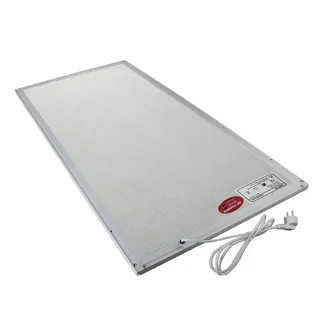
Modern renovation projects often involve choosing heating equipment that delivers effective warmth without occupying valuable room space. Infrared radiant heating panels work by emitting radiant energy that warms people and surrounding objects directly, making them suitable for regularly occupied areas. Unlike conventional systems that depend mainly on circulating heated air, this technology transfers warmth to surfaces within its operating range. The slim construction allows installation without significantly affecting furniture arrangements or interior design. Combining direct heat delivery with a discreet appearance, these panels can suit renovated homes and commercial spaces where maintaining comfortable temperatures and preserving an open, organised layout are important considerations.
The Operating Principle behind Infrared Indoor Heating
Infrared heating systems produce radiant energy that travels towards people, furniture, and other surfaces within a room. Instead of depending primarily on heated air moving throughout the space, the radiation is absorbed by surrounding materials, which subsequently release warmth into the interior. This transfer of energy helps establish comfortable conditions in occupied areas.
Because heat is delivered without relying on forced-air circulation, these systems generally operate with little noise and create less air movement that could disturb settled dust. Direct radiant transfer may also limit certain heat-distribution losses associated with convection-based methods, although results vary with building conditions and installation. The sensation is comparable to receiving warmth from sunlight, but the panels produce infrared energy through electrical power. This makes the technology suitable for various residential and commercial applications.
Positioning Infrared Panels for Effective Room Coverage
Infrared panels emit radiant energy towards people and objects located within their effective range. Nearby surfaces absorb this energy and convert it into heat, helping improve comfort in frequently occupied parts of a room. The area that can be warmed depends on several factors, including panel capacity, mounting location, room size, and environmental conditions.
Wall and ceiling installations offer different possibilities when arranging a heating system. The most appropriate position depends on the room’s dimensions, furniture layout, and intended activities. Ceiling height, insulation, and obstacles between the panel and occupied areas can influence heat distribution. Assessing these details before installation helps achieve useful coverage while retaining the quiet operation and reduced air movement associated with radiant heating.
Materials and Components That Shape Panel Performance
The construction of infrared heating panels affects their thermal characteristics, durability, weight, and overall finish. Aluminium is commonly used in frames and heat-related components because of its effective thermal conductivity and relatively low weight. Some panel designs also incorporate ceramic elements for their ability to withstand and manage heat within the assembly.
Carbon fibre is another material found in selected models, providing a compact element for generating heat. Certain products feature tempered glass exteriors, which create a smooth surface and offer greater impact resistance than standard glass. The precise materials and their contribution to performance vary between manufacturers and product designs. Understanding these differences helps establish whether a panel’s construction meets the functional, practical, and visual requirements of a particular interior.
Controlling Electricity Use with Radiant Heating
Infrared panels transfer heat towards nearby occupants and surfaces rather than concentrating exclusively on raising the temperature of indoor air. In appropriate settings, this targeted delivery can reduce some losses associated with distributing warmth throughout an entire room. Actual electricity consumption remains influenced by panel wattage, insulation, thermostat settings, and daily operating hours.
Dividing a property into separate heating zones allows individual areas to be controlled according to their occupancy and temperature requirements. This arrangement can be useful in larger homes and workplaces where different rooms follow separate schedules. Choosing panels with suitable output and using programmable controls can support more deliberate energy management. Combined with adequate insulation and reasonable temperature settings, these measures can help maintain comfort without unnecessary heating.
Factors behind Infrared Heating Panel Prices
When reviewing infrared heating panels prices, buyers should consider the specifications and features included in each product rather than comparing purchase costs alone. Dimensions, electrical output, construction materials, and manufacturing standards can all influence the price. Models featuring glass surfaces, carbon fibre elements, or particular design finishes may occupy different price ranges.
Control options can also affect the initial investment. Thermostats, programmable schedules, and smart connectivity may provide additional flexibility but can increase the product cost. Separate installation expenses should also be considered when professional mounting or electrical work is required.
Long-term operating costs depend on local electricity tariffs, usage duration, and the building’s ability to retain heat. Reviewing these factors alongside the purchase price, installation requirements, and available controls provides a clearer basis for comparing products. This helps buyers assess whether a particular model is appropriate for the intended space and budget.
Key Differences between Radiant Panels and Traditional Heating Systems
Infrared panels deliver radiant energy directly to occupants and surrounding objects, while conventional radiators and forced-air systems generally heat indoor air and rely on convection or airflow to distribute warmth. This distinction influences how heat is experienced throughout a room. Radiant panels warm surfaces within their effective coverage, whereas air-based equipment circulates heated air to raise the surrounding temperature.
Since infrared panels do not require forced-air distribution, they can avoid the additional dust movement sometimes associated with fans and ventilation-based heating. However, they do not eliminate airborne particles or allergens. Their maintenance needs also differ from systems that contain filters, fans, or other moving components. Quiet operation is another characteristic that may suit bedrooms, offices, and other noise-sensitive spaces. Choosing between these heating options requires consideration of room dimensions, insulation, usage habits, installation expenses, and expected energy consumption.
Panel Placement Strategies for More Consistent Radiant Warmth
The effectiveness of infrared heating panels depends partly on where they are installed in relation to the occupied areas. Ceiling-mounted units and appropriately positioned wall panels can direct radiant energy towards the intended zone when fitted according to manufacturer guidance. A considered layout helps distribute warmth more effectively and reduces the likelihood of leaving frequently used areas inadequately heated.
Furniture, partitions, room dimensions, and architectural features should be assessed before installation. Large objects may block radiant energy from reaching people or surfaces beyond them, affecting the overall heating experience. Positioning panels in line with the room’s primary use can help maximise their practical benefit. Where unusual layouts or structural features are present, additional planning may be necessary to achieve suitable coverage.
Maintenance Practices for Long-Term Infrared Panel Operation
Periodic care helps infrared radiant-heating panels remain in good condition and function according to their specifications. Routine visual checks can reveal surface damage, shifting brackets, or visible indications of electrical issues that require professional attention. After switching off the unit and allowing it to cool, dust and minor marks can be wiped away using a soft cloth that will not scratch the finish, provided the manufacturer’s cleaning guidance is followed.
The area around each panel should remain clear enough to avoid unnecessary interference with radiant heat distribution. Mounting brackets and support fittings can also be examined occasionally to identify looseness or changes in position. Electrical concerns and suspected installation faults should always be assessed by an appropriately qualified technician instead of being addressed through unauthorised repairs.
The surrounding environment can determine how often cleaning and inspections are needed, particularly where dust or moisture is more prevalent. Observing the recommended maintenance procedures helps preserve the panel’s finish, supports consistent operation, and may extend its practical service life.
Factors That Influence Infrared Heating System Installation Costs
The total expense of installing infrared heating depends on product specifications, including panel size, electrical capacity, construction materials, and overall design. Larger rooms may need higher-output units or multiple panels to provide suitable coverage, increasing the initial equipment cost. Features such as tempered glass surfaces, carbon fibre heating elements, and specialised finishes can also create price differences between available models.
Installation expenses vary according to the mounting arrangement, building structure, and electrical requirements. Ongoing electricity costs are affected by local tariffs, daily operating hours, thermostat settings, and the level of heating needed. Decorative or slimline models may carry a higher purchase price, while remote operation and programmable controls can add functionality at an additional cost.
Assessing affordability requires consideration of both initial and ongoing expenses. Comparing product prices with installation charges, anticipated electricity consumption, build quality, and control features provides a more complete picture of ownership costs. This helps determine which system offers suitable performance while remaining within the planned budget.
Choosing Infrared Heating Panels for Different Room Requirements
Anyone comparing infrared heating panels for sale should assess the dimensions of the intended space, the required heating capacity, and the available installation positions. Smaller panels may provide targeted warmth in compact rooms, while larger interiors or areas with elevated ceilings could need higher-output models or multiple units arranged to cover the occupied space.
Electrical demand is another consideration, particularly when heating is expected to run frequently. Panel height and placement influence where radiant energy is directed, making ceiling clearance, furniture arrangements, preferred temperatures, and occupancy schedules relevant to product selection.
Conditions within the installation area should also guide the choice. Locations exposed to moisture, dust, or changing temperatures may require particular attention to product suitability and manufacturer recommendations. Examining technical specifications, electrical requirements, mounting guidance, and expected usage patterns helps establish whether a panel is appropriate for the space and its intended heating purpose.
Conclusion
Infrared radiant heating panels provide an alternative approach to indoor temperature control by transferring heat directly to occupants and surrounding objects. Their range of dimensions and installation options makes them suitable for different residential and workplace settings. With appropriate positioning, these units can complement contemporary interiors while delivering warmth without relying entirely on conventional air-based heating. Material quality, room requirements, and accessible temperature controls are important selection considerations. For renovation projects, infrared panels offer a combination of practical heating, flexible placement, and a streamlined appearance.
FAQs
What affects the heating efficiency of infrared panels?
Several factors influence their performance, including room dimensions, ceiling height, insulation, panel capacity, and installation location. Selecting an output suited to the space and positioning the unit correctly can help achieve more consistent warmth and avoid unnecessary energy consumption.
Where are infrared heating panels commonly installed?
These panels can be fitted in homes, offices, retail premises, and other indoor settings where supplementary or primary heating is appropriate. The choice of model and installation position should reflect the room’s available space, occupancy, and required heat output.
Should an installer be hired to fit infrared heating panels?
The need for professional installation depends on the panel’s specifications and electrical requirements. Lightweight units may have simpler mounting arrangements, whereas ceiling-mounted models, heavier panels, and hardwired connections are generally best handled by a suitably qualified professional.
How do infrared radiant heating panels provide a comfortable environment?
Infrared radiant heating panels transfer energy to people, furniture, and other nearby surfaces rather than warming indoor air as the main method of heat delivery. This creates direct warmth in the areas reached by the panel and can be useful in regularly occupied parts of a room.
What happens when infrared panels generate heat?
Electrical energy is converted into infrared radiation, which travels through the room and is absorbed by surrounding surfaces and objects. These materials become warmer and gradually transfer heat to the surrounding environment, contributing to indoor comfort.
| Related Business Listings |
| Contact Directory |
| Local Business Profiles |