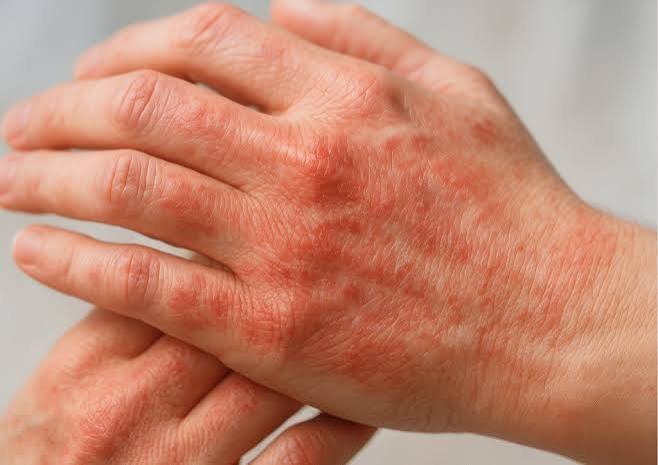
Eczema is a common skin condition that causes dryness, itching, redness, irritation and inflammation. It can affect people of all ages and may interfere with sleep, daily activities and overall quality of life. Although conventional treatments such as moisturisers, topical corticosteroids and prescription medicines can help control symptoms, many people also explore natural approaches to support their skin health.
Herbal Supplements for Eczema have attracted attention because certain plants contain natural compounds with antioxidant, anti-inflammatory and skin-supporting properties. However, natural does not always mean safe or effective. Some herbal ingredients may interact with medicines, trigger allergic reactions or cause unwanted side effects.
Before adding supplements to your routine, it is important to understand what scientific evidence says about their potential benefits and limitations. This article explores commonly discussed herbal ingredients, possible risks and practical safety tips to help you make informed decisions.
1. Understanding Eczema and Its Causes
Eczema, particularly atopic dermatitis, is a chronic inflammatory skin condition. It commonly causes dry, itchy and sensitive skin that may become red, cracked, swollen or scaly. Symptoms can appear on the hands, face, neck, arms, legs and other body areas.
Eczema develops through a combination of genetic, immune system and environmental factors. People with this condition often have a weakened skin barrier, which allows moisture to escape and irritants to enter more easily.
Common eczema triggers include:
- Fragranced soaps and skincare products.
- Household cleaning chemicals.
- Dust, pollen and certain environmental allergens.
- Excessive heat and sweating.
- Cold or dry weather.
- Stress and poor sleep.
- Certain fabrics, particularly rough wool.
- Individual food allergies in some people.
Eczema cannot currently be cured permanently, but appropriate treatment and daily skincare can help control flare-ups.
Some people consider Herbal Supplements for Eczema as an additional approach to skin health. However, supplements should not replace prescribed treatment or established skincare practices.
2. Can Herbal Supplements Help Manage Eczema?
Herbal supplements contain plant-derived ingredients that may have antioxidant, anti-inflammatory or other biological effects. Researchers have investigated several herbs for their potential role in inflammatory skin conditions.
However, evidence varies considerably between ingredients. Some laboratory studies suggest possible benefits, while human clinical trials are often small, inconsistent or insufficient to establish effectiveness.
It is important to distinguish between supporting general health and treating eczema itself. A supplement that contains antioxidants does not automatically reduce itching, repair the skin barrier or prevent flare-ups.
Potential areas of interest include:
- Supporting the body’s normal inflammatory response.
- Providing antioxidant compounds.
- Contributing to nutritional intake.
- Supporting general skin health.
- Addressing confirmed nutritional deficiencies.
People interested in Natural Remedies For Eczema should approach herbal supplements realistically. They may have a role in a broader health routine, but there is not enough reliable evidence to recommend most herbal products as established eczema treatments.
3. Turmeric and Its Anti-Inflammatory Properties
Turmeric is a traditional herbal ingredient widely used in cooking and complementary health practices. It contains curcumin, a natural compound studied for its antioxidant and anti-inflammatory properties.
Laboratory research suggests that curcumin may influence certain inflammatory pathways. This has encouraged interest in its possible applications for inflammatory skin conditions, including eczema.
However, evidence from laboratory studies does not prove that turmeric supplements improve eczema symptoms in people. More high-quality clinical research is needed.
Safety considerations:
- Concentrated turmeric supplements may cause stomach discomfort.
- High doses may increase the risk of certain side effects.
- Turmeric supplements may interact with blood-thinning medicines.
- Some formulations have been associated with liver injury.
- People with gallbladder conditions should seek medical advice before using concentrated products.
Using turmeric as a normal culinary ingredient is different from taking concentrated supplements.
4. Aloe Vera and Skin Health
Aloe vera is widely used in skincare products because its gel contains water and various plant compounds. It is commonly included in moisturisers, lotions and soothing skin preparations.
Some people explore aloe vera for dry or irritated skin because it may provide a cooling sensation and temporary hydration.
However, evidence supporting aloe vera as an effective treatment for atopic eczema remains limited. Some individuals may also develop contact dermatitis or an allergic reaction after applying aloe products.
Aloe vera supplements taken orally are different from topical aloe gel. Oral preparations can cause gastrointestinal side effects, and certain aloe latex products may carry additional safety concerns.
For people with eczema, fragrance-free moisturisers and established barrier-repair products remain more reliable options than relying on aloe vera alone.
5. Evening Primrose Oil and Gamma-Linolenic Acid
Evening primrose oil is extracted from the seeds of the evening primrose plant. It contains gamma-linolenic acid (GLA), an omega-6 fatty acid involved in several biological processes.
Researchers have investigated whether GLA supplementation may help people with eczema because fatty acids contribute to normal skin structure and function.
Despite this interest, clinical evidence has not established evening primrose oil as an effective eczema treatment. Research reviews have generally found insufficient evidence to support its routine use for atopic dermatitis.
Possible side effects include:
- Stomach discomfort.
- Loose stools.
People taking anticoagulants or medicines that affect blood clotting should discuss evening primrose oil with a healthcare professional before using it.
6. Chamomile and Its Traditional Skin Uses
Chamomile has a long history of traditional use for soothing irritated skin. It contains several plant compounds that have been studied for their potential anti-inflammatory and calming properties.
Chamomile appears in herbal teas, creams, lotions and other natural skincare preparations.
Although some topical chamomile products have been investigated for skin irritation, reliable evidence supporting chamomile supplements for eczema remains limited.
Chamomile can also cause allergic reactions, particularly in people who are sensitive to plants in the daisy family, including ragweed.
Before using chamomile-based products, consider these precautions:
- Avoid applying concentrated preparations to broken or severely inflamed skin.
- Check product ingredients for added fragrances.
- Stop using the product if redness or itching increases.
- Discuss oral supplements with a healthcare professional.
Herbal products should be evaluated individually rather than assuming all chamomile preparations have the same effects.
7. Licorice Root and Its Potential Benefits
Licorice root is a traditional herbal ingredient containing glycyrrhizin and other plant compounds. Researchers have investigated its potential anti-inflammatory and skin-soothing properties.
Some topical preparations containing licorice-derived compounds have shown promising results in preliminary skin research. However, these findings should not be interpreted as proof that oral licorice supplements treat eczema.
Licorice root also has important safety concerns. Products containing glycyrrhizin can cause increased blood pressure, reduced potassium levels and abnormal heart rhythms, particularly when consumed in large amounts or for extended periods.
People with high blood pressure, kidney or heart conditions should be particularly cautious. Licorice may also interact with medicines, including some blood pressure treatments and diuretics.
If you are considering licorice as part of a Herbal Treatment for Eczema, speak with a qualified healthcare professional first. Avoid using concentrated licorice products without appropriate medical guidance.
8. Borage Oil and Skin-Supporting Fatty Acids
Borage oil comes from the seeds of the borage plant and contains gamma-linolenic acid (GLA). This fatty acid plays a role in normal inflammatory processes and has attracted interest in skin health research.
Some people take borage oil because they believe it may improve dryness and support the skin barrier. However, clinical studies have not established consistent benefits for eczema.
The main concerns involve product quality and potential side effects. Some borage products may contain pyrrolizidine alkaloids, naturally occurring compounds that can damage the liver. Products should be certified as free from these contaminants.
Before taking borage oil:
- Choose products from reputable manufacturers.
- Check whether the product is certified free of pyrrolizidine alkaloids.
- Discuss possible interactions with your healthcare professional.
- Avoid using it during pregnancy unless specifically advised by a clinician.
Borage oil should not replace moisturisers, prescribed eczema creams or other established treatments.
9. Important Safety Tips Before Taking Herbal Supplements
Although herbal products are often marketed as natural wellness solutions, they can still cause side effects. Their safety depends on the ingredients, dosage, manufacturing quality and individual health circumstances.
Follow these practical precautions before using Herbal Supplements for Eczema.
Check the complete ingredient list: Some supplements contain several herbs, vitamins and minerals. Read the label carefully and check for ingredients that may cause allergies or interact with your medicines.
Consult a healthcare professional: Speak with your doctor or pharmacist before starting a supplement, particularly if you take prescription medicines or have an existing health condition.
Avoid excessive doses: Taking more than the recommended amount does not necessarily improve results. Excessive intake of certain vitamins, minerals and herbal compounds can cause toxicity.
Choose reputable manufacturers: Look for transparent ingredient information, batch testing and independent quality verification where available. Avoid products making unrealistic claims.
Be careful with children’s supplements: Children have different nutritional requirements and may be more vulnerable to side effects. Never give an adult herbal supplement to a child without medical advice.
Monitor your skin: Stop using a product and seek medical advice if you notice worsening itching, swelling, redness, a rash or other unusual symptoms.
The American Academy of Dermatology and the National Center for Complementary and Integrative Health highlight the importance of evaluating the evidence and safety of complementary products before using them for skin conditions.
American Academy of Dermatology+2
10. How to Choose Quality Herbal Supplements
The quality of an herbal supplement can vary between manufacturers. Two products containing the same named herb may have different concentrations, extraction methods and levels of purity.
When researching Herbal Supplements for Eczema, consider the following factors:
- Ingredient transparency: The label should clearly identify every ingredient and its quantity.
- Manufacturing standards: Look for manufacturers that follow recognised quality-control and manufacturing practices.
- Independent testing: Third-party testing can provide additional confidence in product identity and purity.
- Expiry information: Check the manufacturing date, expiry date and storage instructions.
- Realistic claims: Avoid products promising to cure eczema permanently or deliver immediate results.
- Professional guidance: Ask a dermatologist or pharmacist to review the ingredients before use.
Be especially cautious with unlabelled herbal mixtures and products purchased from unreliable online sellers.
In addition, avoid supplements that claim to replace all conventional eczema medicines. Such claims are not supported by reliable clinical evidence.
11. Natural Ways to Support Skin Health Alongside Treatment
Supplements are only one part of a broader approach to eczema management. Daily skincare habits and appropriate medical treatment are generally more important for controlling symptoms.
Consider these practical steps:
- Moisturise regularly: Apply a fragrance-free moisturiser, particularly after bathing, to help maintain skin hydration.
- Take short, lukewarm showers: Hot water can increase dryness and irritation.
- Use gentle cleansers: Choose fragrance-free products formulated for sensitive skin.
- Wear comfortable clothing: Soft cotton fabrics may reduce friction and irritation.
- Manage stress: Relaxation, regular physical activity and adequate sleep can support general wellbeing.
- Identify personal triggers: Keep a symptom diary to identify products, environmental conditions or activities associated with flare-ups.
- Follow medical advice: Use prescribed creams and medicines as directed by your healthcare professional.
People exploring Natural Remedies For Eczema should remember that gentle skincare and consistent moisturising have a more established role in everyday eczema management than most oral herbal supplements.
12. When Should You See a Dermatologist?
Eczema symptoms can range from mild dryness to severe inflammation and painful skin damage. Although home skincare practices may help, some symptoms require professional medical attention.
Consult a dermatologist if:
- Your itching interferes with sleep or daily activities.
- Your skin becomes painful, swollen or increasingly inflamed.
- Eczema spreads to larger areas of your body.
- Moisturisers and prescribed treatments are not controlling symptoms.
- You experience frequent or severe flare-ups.
- You suspect an allergic reaction to a supplement.
Seek prompt medical attention if you develop signs of a skin infection, such as pus, increasing warmth, painful swelling, rapidly spreading redness, fever or fluid-filled blisters.
A dermatologist can assess your condition and recommend appropriate treatments, including topical corticosteroids, non-steroidal prescription creams, phototherapy or systemic medicines when necessary.
Do not delay effective treatment while experimenting with herbal products.
Conclusion
Herbal Supplements for Eczema continue to attract interest because of their potential antioxidant, anti-inflammatory and skin-supporting properties. Ingredients such as turmeric, evening primrose oil, borage oil, chamomile and licorice have been investigated for different aspects of skin health.
However, scientific evidence does not currently establish most oral herbal supplements as effective treatments for eczema. Some products may also cause allergic reactions, medication interactions or other unwanted effects.
If you are considering herbal supplements, consult a healthcare professional, choose quality-tested products and avoid replacing prescribed treatments with unproven alternatives.
A balanced diet, regular moisturising, gentle skincare and appropriate medical care remain important parts of eczema management. At Natural Herbs Clinic, promoting informed decisions about herbal wellness means recognising both the potential benefits and limitations of natural products.
Frequently Asked Questions (FAQs)
1. Are herbal supplements effective for eczema?
There is insufficient reliable evidence to establish most herbal supplements as effective eczema treatments. Some ingredients have shown promising results in preliminary research, but further clinical studies are needed.
2. Can turmeric supplements reduce eczema inflammation?
Turmeric contains curcumin, which has demonstrated anti-inflammatory properties in laboratory research. However, there is not enough clinical evidence to confirm that turmeric supplements improve eczema symptoms.
3. Is evening primrose oil good for eczema?
Evening primrose oil contains gamma-linolenic acid, but clinical research has not demonstrated convincing benefits for atopic dermatitis. It should not be considered an established eczema treatment.
4. Are herbal supplements safe for children with eczema?
Not necessarily. Children may experience side effects, allergic reactions or interactions with medicines. Parents should consult a paediatrician or dermatologist before giving children herbal supplements.
5. Can I use herbal supplements with prescribed eczema medicines?
Some supplements may interact with prescription medicines. Always discuss your complete supplement and medication list with your doctor or pharmacist before combining treatments.
Medical Disclaimer
This article is intended for educational and informational purposes only. It does not provide medical advice, diagnosis or treatment recommendations. Herbal supplements are not proven cures for eczema and should not replace prescribed medicines or professional dermatological care. Always consult a qualified healthcare professional before starting any herbal supplement, particularly if you are pregnant, breastfeeding, taking medication or managing an existing medical condition.