The fashion industry has long been defined by the “fast fashion” model—a cycle of rapid production, low costs, and fleeting trends that encourages us to view clothing as disposable. However, as we become more aware of the environmental toll—from massive water waste in cotton production to the plastic pollution caused by synthetic materials—a shift is underway.
Embracing environmentally friendly fashion is no longer just a niche interest; it is a necessary evolution. Whether you are a designer aiming to revolutionize your supply chain or a consumer looking to curate a more conscious closet, here is how you can contribute to a more sustainable future.
For the Conscious Consumer: Small Steps, Big Impact
You don’t need a complete wardrobe overhaul to make a difference. Sustainability starts with changing how we interact with the clothes we already own.
-
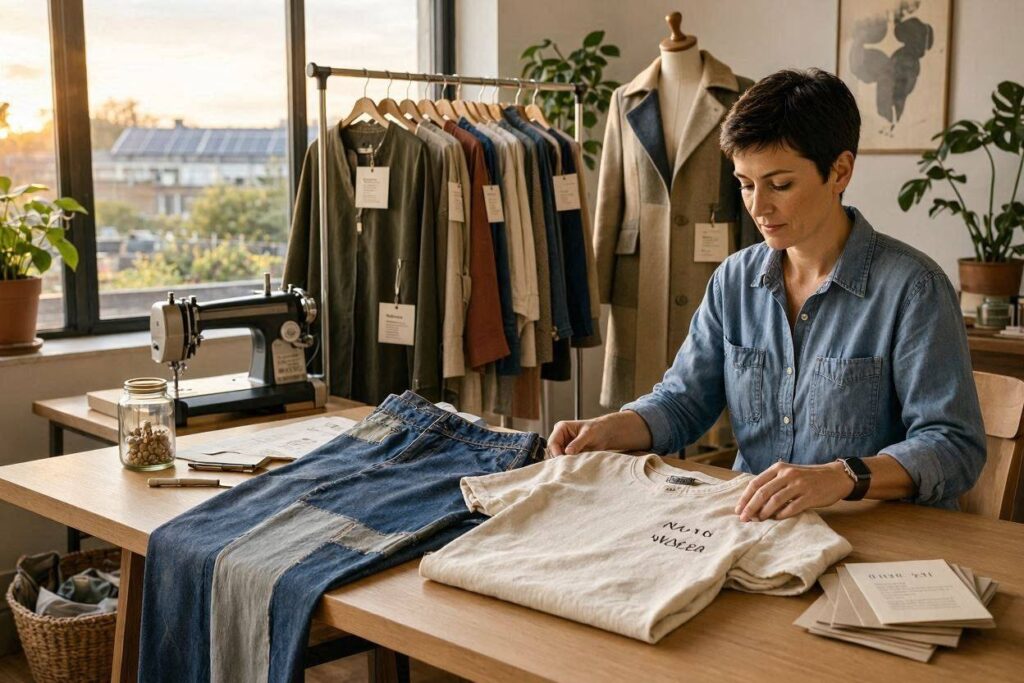
The Power of Upcycling: Before tossing out old garments, consider giving them a second life. Simple DIY projects—like turning worn-out jeans into trendy shorts or repurposing t-shirts into tote bags—can refresh your wardrobe without spending a dime.
-
Quality Over Quantity: The most sustainable garment is the one already in your closet. Focus on investing in high-quality, versatile pieces that stand the test of time rather than chasing seasonal trends.
-
Extend the Lifespan: Learn basic repair skills like sewing on a button or patching a hole. When you are truly finished with an item, look for “take-back” programs or donate responsibly to ensure the item stays in use for as long as possible.
For Designers & Brands: Rethinking the Lifecycle
True sustainability encompasses the entire journey of a garment, from the initial sketch to the final delivery.
-
Mindful Material Selection: Opt for low-impact fibers like organic cotton, hemp, or linen. Additionally, look for innovative, recycled materials—such as nylon regenerated from fishing nets—to reduce the reliance on virgin resources.
-
Zero-Waste Design: Incorporate techniques that maximize fabric usage during the pattern-making process. Designing for modularity and adaptability allows garments to fit different styles or sizes, effectively extending their relevance.
-
Ethical Manufacturing: Sustainability isn’t just about the environment; it’s about people. Prioritize working with manufacturing partners who guarantee fair labor practices and transparency.
-
Efficient Logistics: Packaging and shipping contribute significantly to a brand’s carbon footprint. Utilizing minimalist, biodegradable packaging and establishing local distribution networks can drastically reduce the environmental impact of your operations.
The Path Forward
The journey toward a sustainable fashion industry is a collective effort. It requires designers to innovate and consumers to demand better standards. By prioritizing quality, embracing circularity through upcycling, and advocating for ethical production, we can move away from the destructive cycle of fast fashion and toward a future where style and environmental stewardship go hand-in-hand.