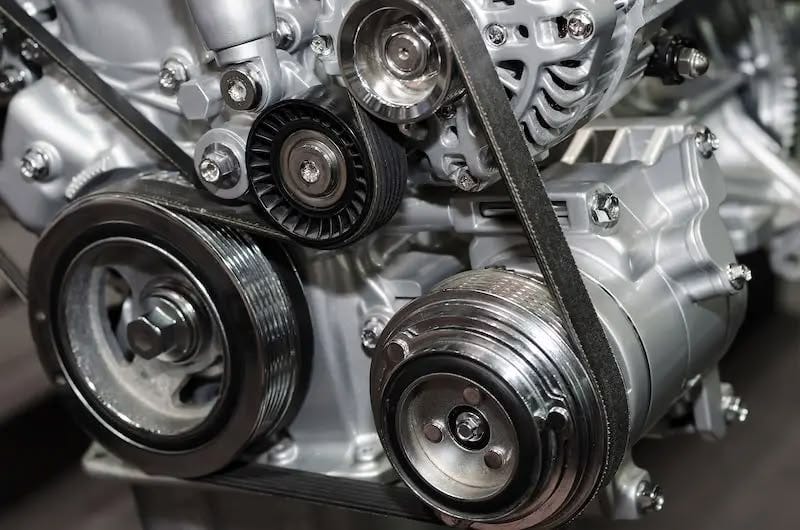
Modern vehicle technology has brought significant improvements in fuel efficiency and engine performance, but it has also introduced more complex maintenance requirements. One example is the wet timing belt, a component that differs from traditional timing belts by operating inside the engine and being lubricated by engine oil. While this design offers several engineering advantages, it also makes regular maintenance more important.
Many vehicle owners search for information about wet timing belt replacement cost because unexpected failures can lead to expensive engine repairs. Understanding how these systems work, recognising warning signs, and following manufacturer service schedules can help prevent costly breakdowns and extend engine life.
What Is a Wet Timing Belt?
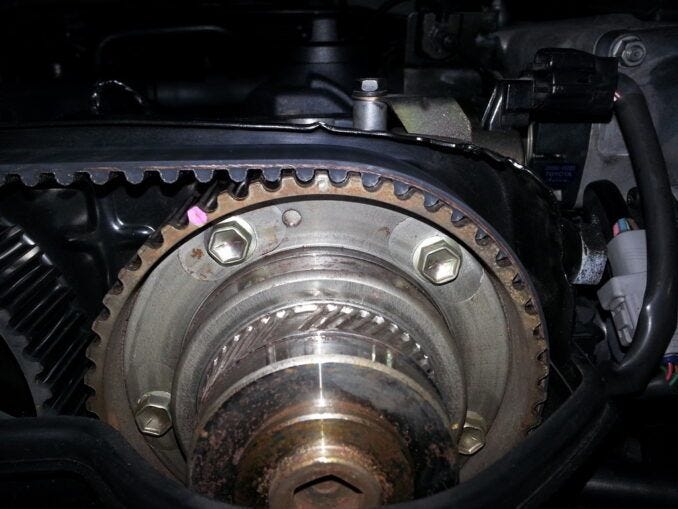
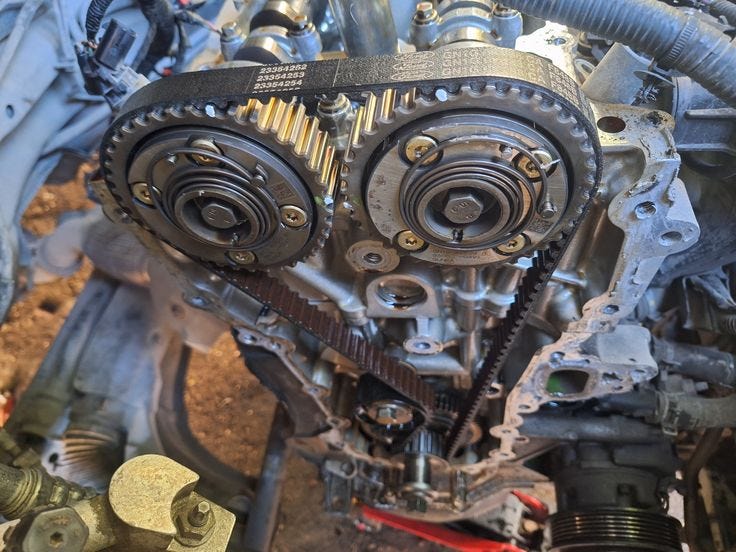
Unlike a conventional timing belt that operates outside the engine, a wet timing belt runs inside the engine casing and remains immersed in specially formulated engine oil. This design helps reduce friction, improve efficiency, and minimise engine noise.
Wet timing belts are commonly found in several modern petrol and diesel engines produced by major manufacturers. Although they are designed for durability, they are highly dependent on proper lubrication and regular oil changes using the manufacturer’s recommended oil specification.
If incorrect oil is used or maintenance intervals are ignored, the belt material may begin to deteriorate much earlier than expected.
Factors That Affect Wet Timing Belt Replacement Cost
Several variables influence the overall wet timing belt replacement cost. Vehicle owners should understand that the final expense depends on more than simply replacing the belt itself.
Common cost factors include:
- Vehicle make and model
- Engine design and accessibility
- Labour time required
- Replacement of related components
- Oil and filter replacement
- Additional inspection of engine components
Many professional workshops recommend replacing associated seals, tensioners, and other wear items during the same service. Although this slightly increases the initial bill, it often reduces future maintenance costs.
Ignoring a worn timing belt can result in severe engine damage if the belt fails while the engine is running.
Warning Signs That a Wet Timing Belt May Need Attention
Wet timing belts often wear gradually, meaning drivers may notice subtle symptoms before a serious failure occurs.
Some common warning signs include:
- Engine warning light
- Rough engine performance
- Unusual engine noise
- Loss of power
- Difficulty starting
- Oil contamination with rubber particles
In some cases, drivers experience no warning at all, making preventative maintenance especially important.
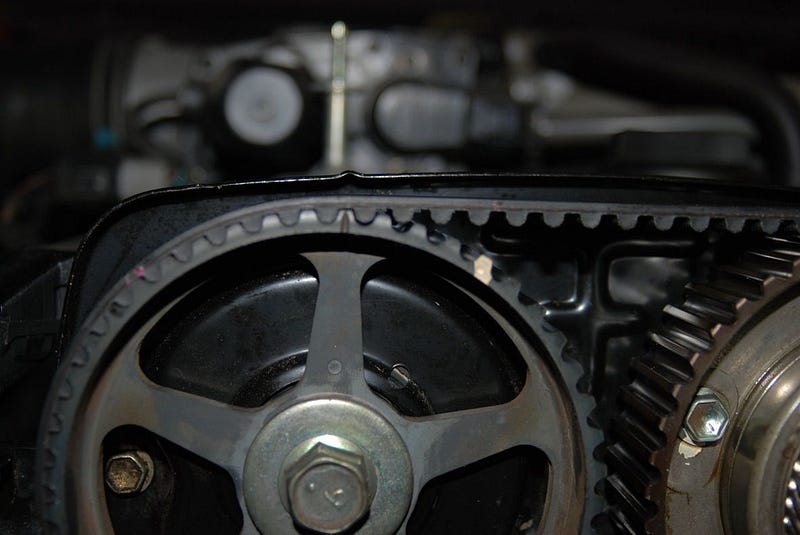
Routine servicing allows technicians to identify potential issues before they become expensive repairs.
Why Replacing Wet Timing Belt Components on Time Matters
Delaying or avoiding replacing wet timing belt systems can have serious consequences. Since the timing belt synchronises the crankshaft and camshaft, failure can cause internal engine components to collide.
Possible consequences include:
- Bent valves
- Damaged pistons
- Cylinder head damage
- Complete engine failure
- Significantly higher repair costs
Compared with preventative replacement, repairing a damaged engine can cost several times more.
Manufacturers publish recommended replacement intervals based on mileage, vehicle age, or both. Drivers should always consult their owner’s manual or seek advice from qualified technicians.
Maintenance Best Practices for Longer Belt Life
Proper maintenance significantly improves the lifespan of a wet timing belt system.
Experts generally recommend:
- Following manufacturer servicing intervals
- Using only approved engine oil specifications
- Replacing oil and filters on schedule
- Investigating warning lights promptly
- Having regular vehicle inspections
Because the belt operates within the engine oil, lubrication quality plays a much greater role than with traditional timing belts.
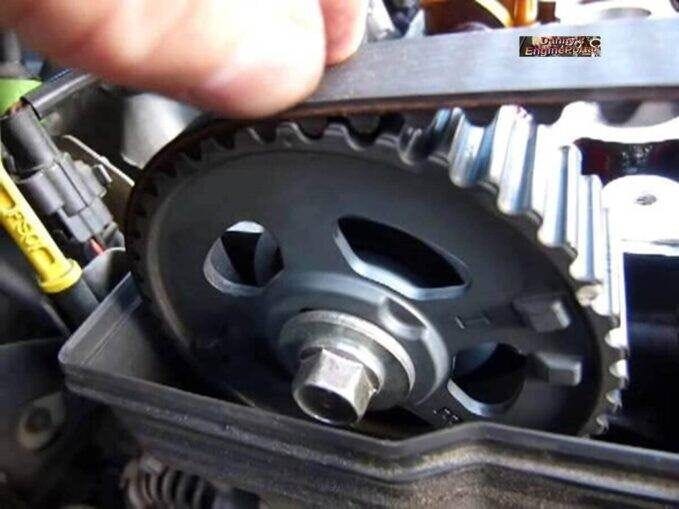
Using low-quality oil or extending oil change intervals may accelerate belt degradation.
Choosing a Reliable Garage for Wet Timing Belt Services
Selecting an experienced repair centre is just as important as replacing the belt itself. Wet timing belt systems require specialised knowledge, manufacturer procedures, and appropriate diagnostic equipment.
When choosing a workshop, consider whether they:
- Have experience with wet timing belt engines
- Use manufacturer-approved replacement parts
- Follow recommended installation procedures
- Replace associated service items where necessary
- Provide clear maintenance recommendations
For drivers researching wet timing belt replacement Trowbridge, professional garages with experience in modern engine technology can provide accurate inspections and maintenance advice. As an example, S&M Auto Service offers information and servicing related to wet timing belt systems, helping vehicle owners understand recommended replacement schedules and maintenance requirements without relying on guesswork.
Industry Trends in Modern Engine Maintenance
Vehicle manufacturers continue developing smaller, more efficient engines to meet stricter emissions regulations. Wet timing belt technology has become increasingly common as part of these engineering improvements.
However, these advancements also mean maintenance has become more specialised. Today’s technicians rely on manufacturer service data, advanced diagnostic tools, and precise installation procedures to ensure reliable engine operation.
Preventative maintenance is increasingly recognised as one of the most cost-effective ways to reduce long-term ownership expenses.
Regular inspections can identify early wear before it develops into a major mechanical problem, helping drivers avoid unexpected repair bills and extended vehicle downtime.
Practical Tips for Vehicle Owners
Drivers can reduce the likelihood of timing belt issues by adopting a proactive maintenance routine.
Helpful recommendations include:
- Keep detailed service records.
- Never ignore engine warning lights.
- Follow mileage and age-based replacement intervals.
- Use the correct engine oil specification every time.
- Ask technicians to inspect related components during scheduled servicing.
- Address unusual noises or performance changes promptly.
These simple habits contribute to improved reliability and can help avoid major engine repairs.
Conclusion
Understanding wet timing belt replacement cost is about more than comparing repair prices — it involves recognising the importance of preventative maintenance, proper servicing, and timely replacement. Wet timing belt systems provide excellent performance and efficiency when maintained correctly, but neglecting them can lead to serious mechanical failures.
Whether researching replacing wet timing belt procedures or looking for guidance on wet timing belt replacement Trowbridge, informed vehicle owners benefit from understanding manufacturer recommendations and choosing experienced professionals for inspection and maintenance. With regular servicing, quality engine oil, and expert care, drivers can maximise engine reliability while reducing the risk of unexpected repair costs over the life of their vehicle.