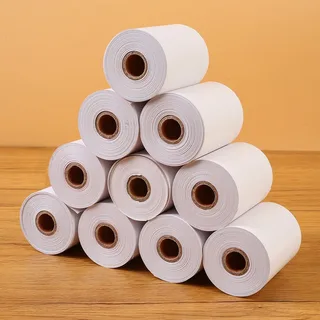
thermal paper rolls
Thermal Paper Rolls for Fast, Reliable Business Printing
Thermal paper rolls are an important supply for businesses that need quick, accurate, and dependable printing throughout the day. Whether you use thermal receipt rolls, POS paper rolls, cash register rolls, or direct thermal paper, selecting the right roll helps improve print quality while reducing maintenance and downtime. Retail stores, restaurants, pharmacies, hospitals, supermarkets, and transport companies all rely on thermal printing because it produces clean, professional receipts without requiring ink or toner. Choosing the correct thermal paper can improve efficiency while supporting smooth business operations every day.
Why Thermal Paper Rolls Continue to Grow in Popularity
Modern businesses need printing solutions that are fast, simple, and cost-effective. Traditional printers require ink cartridges or ribbons that eventually need replacement, increasing both costs and maintenance. Thermal printing offers a different approach. The printer applies heat directly to specially coated paper, producing clear text and images almost instantly. Since there is no ink involved, businesses spend less time replacing supplies and more time serving customers. This simple printing method has made thermal paper one of the most widely used solutions across many industries.
How Thermal Printing Produces Clear Results
Unlike ordinary paper, thermal paper contains a heat-sensitive coating that reacts when it passes under the printer’s thermal printhead.
As heat is applied, the coating changes colour to create printed information. This process produces receipts, invoices, order slips, and labels within seconds.
The overall print quality depends on several factors, including:
- The quality of the paper
- A clean printer head
- Proper printer settings
When these elements work together, businesses receive consistently sharp and readable printing.
Choosing the Right Thermal Paper Roll
Not every thermal roll fits every printer. Using incorrect dimensions can cause paper jams, uneven printing, or feeding issues.
Before purchasing, businesses should confirm:
- Roll width
- Roll diameter
- Core size
- Paper length
Many businesses commonly use 57mm or 80mm rolls, but every printer has its own specifications. Checking compatibility before ordering helps avoid unnecessary problems.
Why Paper Quality Matters
The quality of thermal paper affects far more than appearance. Poor-quality rolls often leave residue inside the printer, reduce print clarity, and may shorten the lifespan of important printer components.
Premium thermal paper generally offers:
- Dark, clear printing
- Smooth feeding
- Better barcode readability
- Less paper dust
- More consistent performance
Although lower-priced paper may appear attractive, investing in better-quality rolls often reduces maintenance costs over time.
Industries That Depend on Thermal Paper
Thermal paper is used across many different industries because it supports fast and reliable printing. Retail businesses use thermal receipts during customer checkout. Restaurants print kitchen tickets and customer bills. Pharmacies create payment receipts and prescription labels. Banks print transaction records, while courier companies generate shipping labels and delivery documentation.
Healthcare facilities also depend on thermal printers for appointment slips and patient queue numbers. These everyday applications show how important thermal printing has become across modern business operations.
Proper Storage Protects Print Quality
Even high-quality thermal paper can lose performance if stored incorrectly. Exposure to sunlight, excessive heat, humidity, or certain chemicals may damage the heat-sensitive coating before the paper is even used.
For the best results, store rolls:
- In a cool location
- Away from direct sunlight
- Inside sealed packaging
- Away from moisture
By adhering to these straightforward procedures, you may minimize needless waste and maintain print quality.
Common Printing Problems and Their Causes
Businesses sometimes experience faded receipts or unclear printing and immediately assume the printer is faulty. In many situations, the paper itself may be responsible. Common causes include poor-quality thermal paper, incorrect roll sizes, dirty printheads, or worn printer components. Regular maintenance combined with reliable paper supplies helps prevent these issues and keeps printing consistent throughout the day.
Simple Printer Maintenance Improves Performance
Although thermal printers require less maintenance than ink printers, they still benefit from routine cleaning. Dust and small paper particles naturally collect inside the printer over time. If ignored, they may reduce print quality or cause paper feeding problems. A simple maintenance routine should include cleaning the printhead, checking the roller, removing paper residue, and replacing damaged rolls when necessary. These small tasks often improve printer performance while extending equipment life.
Faster Printing Creates Better Customer Experiences
Customers appreciate quick service, especially during busy shopping hours.
After a transaction is finished, thermal printers generate receipts nearly instantly, freeing up employees to service the next customer without needless delays. This speed benefits businesses by reducing queues while helping employees maintain an efficient workflow. Clear, readable receipts also reduce customer confusion by displaying transaction details accurately.
Buying Thermal Paper in Bulk
Many businesses purchase thermal paper in larger quantities because daily printing can consume significant numbers of rolls. Bulk purchasing often provides better value while reducing the risk of running out of supplies during busy periods. However, before placing large orders, businesses should verify that the paper matches their printer specifications. Testing a small quantity first is often a practical approach before committing to larger purchases.
Supporting Sustainable Business Practices
Many organisations are looking for practical ways to reduce waste while maintaining operational efficiency. Businesses can support more responsible printing by using only the receipts that customers require and encouraging digital alternatives whenever appropriate. Proper storage also helps prevent damaged rolls from being discarded unnecessarily. Small operational improvements can reduce waste while improving overall efficiency.
Choosing a Reliable Supplier
A trusted supplier provides more than competitive pricing. Reliable suppliers clearly describe product specifications and maintain consistent manufacturing standards.
Before buying thermal paper, businesses should compare:
- Product quality
- Printer compatibility
- Packaging condition
- Supplier reputation
Working with dependable suppliers helps reduce purchasing mistakes while ensuring consistent printing performance.
Why Quality Thermal Paper Rolls Are a Smart Investment
Thermal paper may appear to be a simple office supply, but it plays an important role in everyday business operations. Good-quality paper improves print clarity, protects printer components, and helps businesses deliver faster customer service.
Rather than choosing paper based only on price, businesses should focus on quality, compatibility, and long-term reliability. Making the right choice today can help reduce maintenance costs while supporting smoother operations in the future.
Frequently Asked Questions
What are thermal paper rolls used for?
Thermal paper rolls are used for printing receipts, invoices, labels, queue tickets, shipping labels, and many other business documents.
Do thermal paper rolls require ink?
No. Thermal printers use heat-sensitive paper, so they do not require ink cartridges, ribbons, or toner.
How should thermal paper be stored?
Thermal paper should be stored in a cool, dry place away from direct sunlight, heat, and moisture.
Can one thermal paper roll fit every printer?
No. Every printer has specific requirements for roll width, diameter, and core size.
Why do thermal receipts fade over time?
Heat, sunlight, moisture, and certain chemicals can gradually affect the thermal coating, causing printed information to fade.
How can businesses improve thermal printer performance?
Using quality thermal paper, cleaning the printer regularly, and selecting compatible roll sizes all help maintain consistent printing performance.
For more articles, click here for further industry news, business insights, and the latest updates on printing technology and workplace solutions.