Retail promotions and event marketing depend on quick attention. In a crowded store, trade show, or pop-up space, people often decide within seconds whether to stop, look, or keep moving. Branded floor graphics give marketers a way to use the floor as part of that decision-making moment. Instead of leaving walkways empty, brands can turn them into directional cues, campaign messages, product highlights, or photo-friendly design elements.
Read this blog to further explore the state of branded floor graphics in retail promotions and event marketing.
Key Takeaways
- Branded floor graphics turn unused floor space into promotional and directional messaging.
- Retailers use them to highlight products, seasonal sales, and new launches.
- Event teams use floor graphics to guide traffic through booths, halls, and activation zones.
- Strong designs are simple, bold, slip-resistant, and easy to understand quickly.
- Materials like roll-up flooring, outdoor mats, and custom floor graphics help brands create flexible and polished spaces.
Key Uses in Retail and Events
Product Promotions
Product promotion is one of the strongest uses for branded floor graphics. In a retail setting, shoppers may walk past dozens of displays without stopping. A floor graphic placed directly in front of a product table, shelf, or feature wall can help interrupt that movement in a natural way.
Retailers often use floor graphics to call attention to new arrivals, seasonal sales, limited-time offers, bundle deals, or product launches. For example, a beauty store may place a graphic near a new skincare display. A grocery store may use floor messaging to lead customers toward a holiday promotion. A sports retailer may use it near footwear, training gear, or product demos.
Floor graphics can also work well with retail furniture. A display table, product island, counter, or seating area can feel more intentional when the surrounding floor supports the same message. Instead of relying only on shelf signs, retailers can create a small branded zone that draws shoppers in from multiple angles.
Wayfinding and Traffic Flow
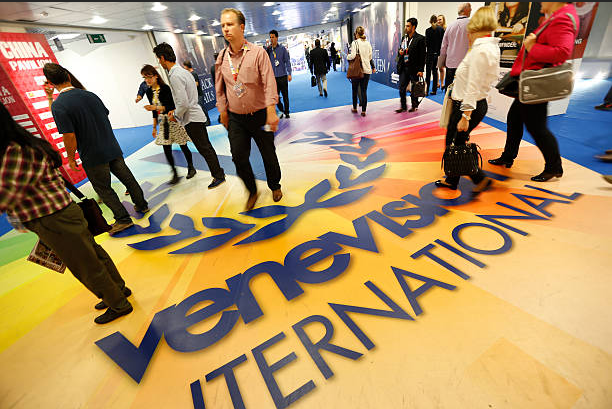
Wayfinding is another major reason brands use floor graphics. In crowded stores, trade shows, exhibition halls, and pop-up spaces, visitors often need quick guidance. Floor arrows, lines, footprints, color paths, and zone markers can help people move smoothly without stopping to ask for directions.
At events, custom floor graphics can point visitors toward registration, product demos, sponsor booths, rest areas, checkout counters, or sample stations. In retail stores, they can guide shoppers toward fitting rooms, pickup areas, returns desks, checkout lanes, or sale sections.
This is especially useful when a space is temporary or crowded. Event teams may not have time to build permanent directional systems. A branded floor graphic can make the layout easier to understand within seconds. Paired with roll-up flooring, floor graphics can also help mobile event teams create a branded path or booth zone that is easier to transport, install, and store after the event.
Social Sharing
Floor graphics can also create moments people want to photograph. Eye-catching designs, 3D effects, bold logos, campaign artwork, or selfie spots can encourage visitors to stop and share the experience online.
This matters in event marketing because social sharing can extend the reach of a campaign beyond the physical location. A creative floor graphic at a trade show, brand activation, or pop-up retail event can become part of the visitor’s photo or video content.
Retailers can use this idea too. A seasonal graphic, product launch design, or branded entrance moment can make the store feel more interactive. Outdoor mats can also support this experience at entrances, sidewalk displays, outdoor markets, or event check-in areas by creating a branded first impression before people step inside.
Material and Design Best Practices
Slip and Scratch Resistance
Branded floor graphics must look good, but they also need to perform safely. In high-traffic areas, vinyl floor graphics should use a specialized textured laminate. This helps improve slip resistance and protects the graphic from shoes, carts, cleaning routines, and repeated foot traffic.
A floor graphic that curls, scratches, fades, or becomes slippery can hurt the customer experience. It may also create safety concerns. For retail promotions and event marketing, durability matters because the graphic needs to stay clean and professional throughout the campaign.
The surface type also matters. Graphics used on polished floors, carpet, concrete, tile, or temporary flooring may need different adhesives or materials. For outdoor use, brands may choose durable outdoor mats or weather-appropriate printed surfaces that can handle dirt, moisture, and heavier wear.
Visual Simplicity
The best branded floor graphics are simple in design. People usually glance down quickly while walking, so long sentences or small details may be missed. Strong custom floor graphics should use short text, bold lettering, clean icons, and clear color contrast.
A good message might say “New Arrivals,” “Start Here,” “Scan to Save,” “Follow the Path,” or “Demo Zone.” These short phrases work better than crowded paragraphs because shoppers can understand them instantly.
Designers should also remember that people may stand on the graphic. Important words, logos, or QR codes should be placed where they are less likely to be completely covered by feet, carts, or display pieces.
Omnichannel Coordination
Floor graphics work best when they match the rest of the campaign. The design should connect with eye-level signage, wall graphics, window displays, digital ads, email campaigns, social media posts, and product packaging.
This creates a unified brand experience. When shoppers see the same colors, message, offer, or campaign theme across different touchpoints, the promotion feels stronger and easier to remember. A floor graphic should not feel random. It should feel like one part of a larger customer journey.
For events, this same idea applies to booths, banners, table covers, roll-up flooring, product displays, and branded surfaces. Every element should point visitors toward the same message or action.
Conclusion
Branded floor graphics are becoming an important tool in retail promotions and event marketing because they make unused floor space work harder. They can promote products, guide traffic, support social sharing, and strengthen brand storytelling without requiring a full space redesign.
The best results come from clear purpose and smart design. Product graphics should be placed near the decision point. Wayfinding graphics should make movement easier. Social sharing graphics should feel visual and memorable. Materials should be slip-resistant, scratch-resistant, and suited to the environment.
When paired with retail furniture, outdoor mats, roll-up flooring, and coordinated signage, custom floor graphics can turn ordinary walkways into useful marketing touchpoints. For brands seeking greater visibility and smoother customer flow, the floor is no longer just a surface. It is part of the message.
FAQs
What are branded floor graphics?
They are printed graphics applied to floors to promote products, guide movement, share messages, or create branded experiences.
Where can retailers use floor graphics?
Retailers can use them near entrances, aisles, displays, checkout areas, fitting rooms, sale sections, and product launch zones.
Are floor graphics useful for events?
Yes. They help guide visitors, define booth areas, highlight sponsors, and create more engaging branded spaces.
What makes a floor graphic safe?
A safe floor graphic should use durable material, proper adhesive, and a textured slip-resistant laminate.