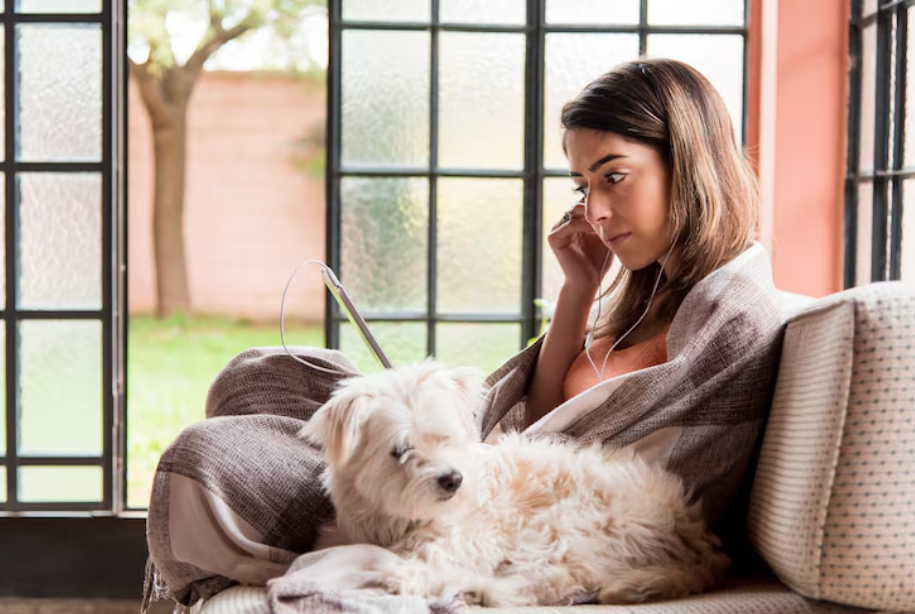
Dogs are active, social animals that need regular exercise, mental stimulation, and companionship to stay healthy and happy. Whether you have a young puppy, an adult dog, or a senior companion, creating the right daily routine is essential for their physical and emotional well-being. Two common questions many dog owners ask are how many times a day should a dog be walked and how long can you leave a dog home alone. Understanding your dog’s individual needs can help you provide better care and prevent problems caused by boredom, stress, or lack of activity.
Understanding Your Dog’s Walking Needs
Daily walks are one of the most important parts of a dog’s routine. Walking provides exercise, allows dogs to explore their environment, and gives them opportunities to experience new sights, sounds, and smells. However, the number of walks a dog needs depends on factors such as breed, age, size, health condition, and energy level.
Many healthy adult dogs benefit from at least one or two walks every day. Some energetic breeds may require more frequent walks and additional activities to burn their energy. Smaller or less active dogs may be satisfied with shorter walks, while working breeds and highly active dogs often need longer periods of exercise.
When considering how many times a day should a dog be walked, it is important to focus on quality rather than just quantity. A slow walk where your dog can sniff and explore can be just as valuable as a faster walk because sniffing provides mental stimulation. Dogs use their sense of smell to understand the world around them, making walks an important enrichment activity.
Factors That Affect How Often Your Dog Needs Walks
Every dog has different exercise requirements. A young puppy, for example, has lots of energy but a smaller body that cannot handle extremely long walks. Puppies usually need several short walks and play sessions throughout the day. Frequent outdoor breaks also help with training and developing good habits.
Adult dogs generally need a consistent exercise schedule. A dog with high energy may need morning and evening walks, while a calmer dog may enjoy one longer walk combined with indoor play. When deciding how many times a day should a dog be walked, consider your dog’s behavior. Excessive barking, chewing, digging, or restlessness may indicate that your dog needs more physical activity or mental engagement.
Senior dogs often need adjusted routines. Older dogs may not be able to walk as far as younger dogs, but regular movement is still important for maintaining joint health, muscle strength, and overall comfort. Shorter, gentle walks can help older dogs stay active without causing strain.
The Importance of a Consistent Walking Schedule
Dogs thrive on routine. Having regular walking times helps them feel secure and understand what to expect each day. A predictable schedule can also support better bathroom habits and reduce anxiety.
Morning walks can help dogs release energy after sleeping overnight, while evening walks can provide relaxation before bedtime. Some owners also include a short midday walk, especially if their dog spends several hours indoors.
In addition to physical exercise, walks help strengthen the relationship between dogs and their owners. Spending time together outdoors builds trust and creates positive experiences. A consistent walking routine can improve your dog’s mood and reduce unwanted behaviors caused by frustration or boredom.
Understanding How Long Dogs Can Stay Alone
Another important responsibility of dog ownership is knowing how much alone time your pet can handle. Many owners wonder how long can you leave a dog home alone because work schedules, errands, and daily responsibilities can make it necessary for dogs to spend time by themselves.
The answer depends on the dog’s age, personality, training, and health. Adult dogs that are comfortable being alone may usually handle several hours without problems, especially if they have had exercise, bathroom breaks, and mental stimulation before being left alone.
However, dogs should not be left alone for extremely long periods on a regular basis. Extended isolation can lead to stress, loneliness, and behavioral issues. Some dogs may develop separation anxiety, which can cause excessive barking, destructive chewing, pacing, or attempts to escape.
Age and Health Considerations for Alone Time
Puppies generally cannot stay alone as long as adult dogs because they need frequent bathroom breaks, supervision, and social learning. Young puppies may require shorter periods alone while they gradually become comfortable with independence.
Adult dogs are usually better able to manage alone time, but their needs vary. A calm, independent dog may relax while alone, while a social dog may struggle without regular interaction. When thinking about how long can you leave a dog home alone, consider your specific dog rather than relying only on general guidelines.
Senior dogs may also need more attention because of health concerns, medication schedules, or changes in mobility. Some older dogs become more dependent on their owners and may need additional support during the day.
Tips for Leaving Your Dog Home Alone Comfortably
If your dog needs to stay home alone, preparation can make the experience easier. Before leaving, provide exercise and allow your dog to use the bathroom. A walk or play session can help your dog feel relaxed and reduce excess energy.
Create a safe and comfortable space where your dog can rest. Provide fresh water, appropriate toys, and activities that encourage mental stimulation. Puzzle toys and treat-based games can help keep dogs occupied while you are away.
Gradually increasing alone time is also helpful, especially for dogs that become anxious. Start with short periods and slowly extend the time as your dog becomes more comfortable. This approach helps build confidence and prevents fear associated with being alone.
Balancing Exercise, Attention, and Independence
A happy dog needs a balance of physical activity, mental challenges, and social interaction. Regular walks keep your dog healthy, while proper alone-time management helps your dog develop independence. Owners should create routines that match their dog’s needs instead of following a one-size-fits-all approach.
Knowing how many times a day should a dog be walked allows you to provide enough exercise and stimulation, while understanding how long can you leave a dog home alone helps you prevent stress and discomfort. By paying attention to your dog’s behavior, energy levels, and health, you can create a lifestyle that supports a long and happy relationship.
Every dog is unique, so the best routine is one that keeps your pet active, comfortable, and emotionally fulfilled. With consistent care, regular walks, and thoughtful planning, your dog can enjoy a healthier and happier life.