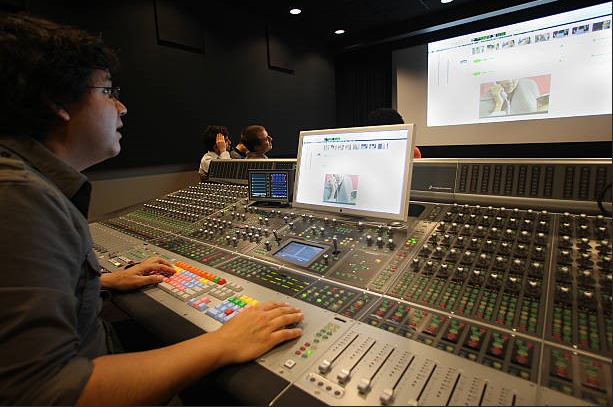
A great song can be written in a bedroom, recorded at home, and released worldwide within days. Yet one part of the process still forces independent artists to pause: the final production budget. In 2026, mixing and mastering costs can shape release plans long before a track reaches listeners.
Should artists spend more on one single, spread the budget across an EP, or save for revisions and alternate versions? With every dollar carrying more weight, musicians are approaching these decisions with greater care. The smartest budgets are not always the biggest. They are the ones built around clear priorities and realistic goals.
Key Takeaways
- Set a clear budget before hiring an engineer
- Spend more on priority singles when needed
- Compare deliverables, not just starting prices
- Prepare sessions carefully to avoid extra charges
- Reserve funds for revisions and alternate files
- Choose optional services only when they support release goals
What Mixing and Mastering Cost in 2026
Rates vary based on project complexity, genre, track count, engineer experience, revision policies, and turnaround time.
Typical price ranges may include:
- Mixing: $180 to $800 per song
- Mastering: $50 to $250 per song
- Combined services: $250 to $900 per song
- Automated mastering: $5 to $40 per track
These are general estimates rather than fixed industry prices. Recognized engineers with major credits may charge more, while newer providers may offer lower rates. Stem mastering, analog processing, rush delivery, and immersive formats can also increase costs.
Artists should ask what the price includes instead of focusing only on the starting rate.
- Artists Are Setting Per-Song Limits
Many artists begin by deciding how much they can afford to spend on each track.
For example, an artist with a $1,500 finishing budget for a four-song EP might allocate:
- $850 for a mixing package
- $300 for mastering
- $200 for revisions
- $150 for unexpected costs
This structure prevents a single song from consuming the money needed for the rest of the project. It also leaves room for artwork, distribution, advertising, and release content.
- Priority Singles Receive Larger Budgets
Not every song requires the same investment.
Artists often assign more money to one or two priority singles. These tracks may receive experienced mixing services and professional mastering, while secondary songs use a more affordable workflow.
A larger budget may make sense when a song has:
- A planned music video
- Strong playlist potential
- Radio or sync licensing goals
- Paid advertising support
- An important collaboration
The goal is to match spending with the promotional importance of each track.
- Artists Compare Deliverables
Two engineers may charge similar prices but provide very different packages.
Before choosing audio services, artists should confirm whether the quote includes:
- Mix and mastering revisions
- Vocal tuning or editing
- Instrumental versions
- Clean and explicit edits
- High-resolution WAV files
- Performance tracks
- Stem delivery
- Rush turnaround
A low initial quote can become expensive when every additional file carries a separate fee. Comparing the full package reveals the actual project cost.
- Better Preparation Reduces Costs
Poorly organized files can increase engineering time and revision fees.
Before sending tracks for mixing and mastering, artists should complete major editing and arrangement decisions. Useful preparation includes:
- Exporting stems from the same starting point
- Labeling every file clearly
- Removing unwanted noise
- Checking timing and pitch edits
- Providing tempo and key information
- Including a rough mix
- Sharing two or three reference tracks
A mixing engineer should not have to identify approved vocal takes or organize unfinished sessions unless that work is included in the agreement.
Clean preparation allows the engineer to focus on sound quality rather than file management.
- Package Rates are Negotiated Early
Artists releasing an EP or album may request package pricing instead of paying the full single-song rate for every track. An engineer may offer a lower project rate when the songs share similar production, instrumentation, and vocal treatment. Once the sound of the first track is established, the remaining songs may be completed more efficiently.
Before agreeing to a package, confirm:
- Number of songs included
- Revision limits
- Alternate versions covered
- Payment schedule
- Final delivery terms
A written scope helps keep mixing and Mastering costs predictable across the entire project.
- Hybrid Workflows Control Spending
Some artists complete basic editing, session cleanup, and rough mixing themselves before hiring a professional.
The engineer then handles detailed balance, processing, depth, dynamics, and playback translation. A mastering engineer completes the final quality control and prepares the music for release.
Automated mastering may be suitable for demos, social previews, or low-priority tracks. However, a human engineer offers artistic judgment, direct communication, and problem-solving that automated tools cannot fully provide.
The right workflow depends on the song’s purpose and the available budget for mixing and mastering.
- Revision Funds Are Reserved
Revision costs are often overlooked. Some engineers include several rounds, while others charge for additional notes or replacement stems.
Artists can reserve 10 to 15 percent of their technical production budget for revisions and alternate files.
Feedback should also be specific and time-stamped. Saying “lower the harmony at 1:14” is more useful than saying the chorus feels wrong. Clear notes reduce confusion and unnecessary changes.
Conclusion
Independent artists are budgeting more carefully by matching each production expense to the release’s purpose. Clear spending limits, organized files, realistic service comparisons, and early planning can help prevent unexpected costs. Mixing and mastering should enhance the song’s quality without diverting funds from promotion, visuals, or distribution. Artists who understand what is included in a quote are better prepared to choose the right engineer and avoid unnecessary upgrades.
A thoughtful budget does not reduce creative freedom. It gives artists more control, protects the wider release plan, and makes consistent music production easier to sustain.
FAQs
Should artists budget for test masters?
A test master can help artists compare different approaches before committing. Some engineers offer paid samples or short previews, while others apply the test fee toward the final project.
Do payment plans affect the total project cost?
Some engineers allow installment payments without extra charges, while others may require milestone-based payments. Artists should confirm whether payment plans change the final fee.
Should artists back up project files?
Yes. Keeping multiple backups protects recordings, stems, notes, and final files from drive failure or accidental loss. Cloud storage and an external drive provide stronger protection.
Can currency conversion increase the cost of hiring an overseas engineer for professional mastering?
Yes. Exchange rates, international payment fees, and bank charges can increase the final amount. Artists should calculate these costs before accepting a quote in another currency.
Are streaming loudness targets the same across all platforms?
No. Platforms may apply different playback normalization practices. Artists should ask for a balanced master that translates well instead of chasing one exact loudness number.