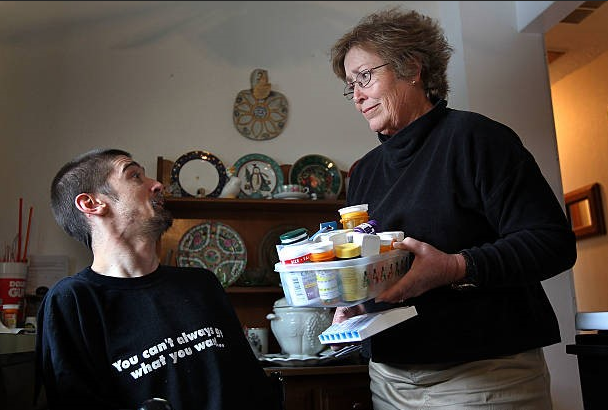
For many families, caregiving begins quietly. A few grocery runs, a ride to an appointment, or help with household tasks may not seem difficult at first. Over time, however, those small responsibilities can grow into a demanding routine that touches work, finances, and family life.
The family caregiver shortage is bringing this pressure into sharper focus across the United States. It raises an important question: what happens when relatives want to help but cannot be available as often as care requires? The answer is changing how families think about support, independence, and the future of aging at home.
Key Takeaways
- Geographic distance makes hands-on family care harder to provide.
- Work demands can limit a relative’s caregiving availability.
- Longer life spans may create more complex and extended care needs.
- Flexible home care can fill specific gaps in daily routines.
- Professional caregivers can support families without replacing them.
Why America Is Facing a Family Caregiver Shortage
Smaller and More Distant Families
Many older adults have fewer relatives living close enough to provide regular assistance. Adult children may move to another city or state because of employment, education, housing affordability, or responsibilities within their own households.
A distant relative may arrange appointments, manage bills, or check in by phone. However, they cannot easily prepare meals, provide transportation, assist with personal care, or help someone move safely around the home.
Geographic distance is one reason the family caregiver shortage has become more noticeable.
Employment and Financial Pressures
Many unpaid caregivers also have full-time jobs, children, household expenses, and personal responsibilities. They may use vacation days for medical appointments, reduce their working hours, or leave work unexpectedly when a loved one needs assistance.
Flexible employment does not make caregiving possible at every hour. Help may be required before work, during an important meeting, or late in the evening. Frequent interruptions can affect income, career progress, and personal well-being.
The family caregiver shortage becomes especially challenging when care duties repeatedly interfere with employment. Outside assistance can help working relatives manage urgent needs without constantly disrupting their professional responsibilities.
Longer and More Complex Care Needs
Caregiving is not always a short-term responsibility. The CDC reports that more than half of family caregivers supporting someone with Alzheimer’s disease or a related dementia provide care for at least four years. Extended caregiving can influence health, relationships, and financial security.
Some relatives can handle occasional errands or appointments, but advanced needs may involve mobility assistance, meal preparation, hygiene support, reminders, household tasks, and safety monitoring.
Longer care periods add pressure to the family caregiver shortage because an informal arrangement that works initially may become unsuitable as the older adult requires greater assistance.
How the Shortage Is Changing Non-Medical Home Care
Demand Is Becoming More Flexible
Families do not always require the same type or amount of assistance. Some may need a caregiver for a few mornings each week, while others require evening visits, transportation, respite support, or temporary help after a hospital stay.
This creates a need for responsive caregiver scheduling. Home care providers must match worker availability with the client’s routine, preferences, abilities, and current support requirements. A well-organized schedule can reduce missed visits and prevent last-minute disruptions.
Care Is Becoming More Coordinated
When several people are involved in someone’s support, clear communication becomes essential. Family members, professional caregivers, doctors, therapists, and community organizations may each handle a different responsibility.
Effective care management brings these responsibilities into one organized plan. It may record emergency contacts, dietary requirements, mobility concerns, medications, appointments, and notable behavioral changes. This shared information helps everyone understand their role and reduces the chance of essential details being missed.
Companionship Is Gaining Recognition
Older adults do not only need assistance with practical tasks. Many also benefit from conversation, encouragement, and meaningful human contact.
Companionship care may include sharing meals, taking walks, playing games, attending community activities, or spending quiet time together. It can be especially helpful for people who live alone or rarely see relatives. A familiar caregiver may also recognize subtle changes in mood, appetite, movement, or behavior.
Providers Must Support the Family Too
Professional caregivers complement the support provided by relatives. Their presence can give a spouse time to rest and allow family visits to focus on personal connection rather than a list of unfinished household duties.
Caregiving stories shared by families often show that seeking professional help can create a steadier routine and allow relatives to contribute according to their availability and abilities.
As the family caregiver shortage continues, non-medical home care will become increasingly important for preventing interruptions in essential daily assistance.
Conclusion
The family caregiver shortage is reshaping how families think about aging, responsibility, and support at home. Bringing in non-medical care does not reduce a family’s role or commitment. Instead, it can create a more balanced arrangement in which relatives remain involved while trained caregivers handle selected daily needs.
The right support can protect routines, preserve dignity, and give older adults greater confidence in familiar surroundings. Families that plan early, communicate openly, and review care needs regularly are better positioned to make thoughtful decisions. A wider circle of help can make long-term caregiving more sustainable for everyone involved over the years.
FAQs
How can families estimate how much home care they need?
Families can track difficult tasks for one or two weeks, noting when help is needed, how long each task takes, and whether safety concerns arise. This record can support a more accurate assessment of care.
What qualifications should a non-medical caregiver have?
Useful qualifications may include personal care training, CPR or first-aid knowledge, background screening, dementia awareness, communication skills, and experience supporting people with mobility limitations.
How can families introduce home care to a reluctant older adult?
Begin by discussing one specific challenge, such as transportation or meal preparation. Present home care as a way to preserve independence rather than as a loss of control.
Should a home care plan be reviewed regularly?
Yes. Families should review the plan when mobility, memory, medications, living arrangements, or family availability change. Regular reviews help ensure the services still match current needs.
What should families do if a caregiver misses a scheduled visit?
They should contact the provider immediately, follow the agency’s backup procedure, and document repeated attendance problems. Before hiring, families should ask how replacement coverage is handled.