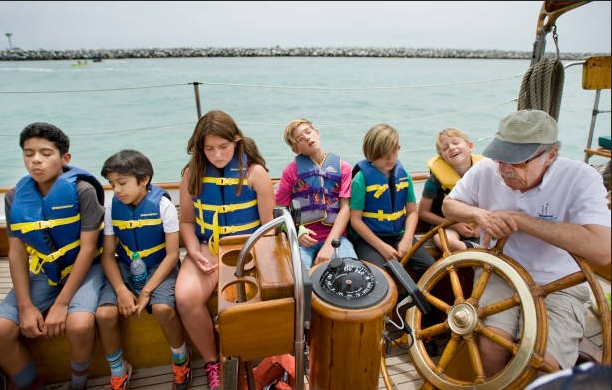
Learning to operate a boat becomes easier when your training environment matches your experience, confidence, and future boating plans. Some owners prefer to begin on a school boat because it offers a controlled and beginner-friendly setting.
Others choose boating lessons on their own vessel so they can understand the exact controls and handling characteristics they will use afterward. Both approaches can build valuable skills, but they serve different needs.
Before choosing one, it helps to compare how each option affects comfort, boat familiarity, docking practice, navigation training, safety preparation, and long-term confidence on the water.
Key Takeaways
- A school boat provides a structured setting for learning basic controls and safety procedures.
- Training on your own boat helps you understand its unique size, equipment, response, and handling.
- Beginners may benefit from starting on a school boat before moving to their personal vessel.
- Current boat owners often gain more practical value from vessel-specific instruction.
- The best choice depends on your experience, boat type, confidence, and long-term plans.
What Learning on a School Boat Involves
A school boat is normally selected and maintained specifically for instruction. It is usually stable, manageable, and familiar to the instructor. This allows lessons to follow a clear sequence, beginning with basic controls and progressing toward turning, stopping, docking, and safety procedures.
For a complete beginner, this controlled setting can reduce pressure. You can focus on understanding steering, throttle control, shifting, and basic boat behavior without worrying about damaging your own vessel.
The instructor also knows how the school boat responds in different situations. As a result, demonstrations may be easier to repeat and explain. You can watch a maneuver, practice it yourself, and receive immediate guidance.
However, a school boat may be different from the vessel you eventually operate. Its size, engine configuration, steering response, visibility, and electronics may not match your personal boat. Therefore, you may need additional practice before transferring those skills confidently.
Main Advantages of a School Boat
Training on a school boat is especially helpful when you want to:
- Learn boating terms and basic controls.
- Practice without putting your own boat at risk.
- Build confidence in a controlled environment.
- Understand general safety procedures.
- Decide whether boating is right for you before purchasing a vessel.
This option gives new operators a useful foundation, but it may not fully prepare them for the unique behavior of another boat.
What Learning on Your Own Boat Involves
Taking boating lessons on your own boat creates a more personalized learning experience. Instead of practicing general techniques on an unfamiliar vessel, you learn how your boat behaves during the situations you are likely to face.
The instructor can explain your control layout, engine response, steering system, electronics, safety equipment, and visibility limitations. You can also practice leaving and returning to your regular dock, which makes the lesson more relevant to your normal routine.
This approach is particularly valuable because boats do not all respond in the same way. A lightweight boat may react quickly to small throttle changes, while a larger vessel may continue moving after power is reduced. Wind, current, hull design, engine placement, and passenger weight can also affect handling.
During private boating lessons, you can work directly on the areas that feel difficult instead of following a general beginner program. This may include docking, reversing, anchoring, close-quarters maneuvering, or operating onboard systems.
Main Advantages of Your Own Boat
Training on your personal vessel helps you:
- Learn the exact controls you will use independently.
- Understand your boat’s turning radius and stopping distance.
- Practice around your regular marina or launch area.
- Become familiar with onboard safety equipment.
- Build routines that you can repeat after the lesson.
Because the training is vessel-specific, the skills often feel more practical and easier to remember.
Comparing the Two Training Options
The most useful way to choose between the two approaches is to compare how they support the skills boat owners need most.
Comfort and Learning Pressure
A school boat can feel less stressful for a new operator. You are not thinking about scratching your hull, damaging equipment, or making mistakes with a major personal investment. This allows you to focus more closely on the instructor’s guidance.
Your own boat may create more pressure at first, particularly if it is large or expensive. However, that initial discomfort during boating lessons can be useful, as it helps you learn to manage the exact concerns you will face later.
For nervous beginners, a school boat may provide the gentler starting point. For owners who already understand basic controls, their own boat usually offers more meaningful practice.
Control and Handling Familiarity
School boats are often selected because they are easy to manage. This helps learners understand general techniques, but those techniques may feel different when applied to another vessel.
Training on your own boat gives you direct experience with its steering sensitivity, throttle response, momentum, and blind spots. You learn how much space it needs to turn and how early you should reduce speed.
This familiarity is one of the strongest reasons current owners choose vessel-specific instruction.
Docking and Marina Practice
Docking combines several skills, including speed control, steering, wind awareness, line preparation, and communication. General docking principles can be learned on a school boat, but their application changes according to boat size and marina layout.
Your own vessel allows you to practice at your regular slip or dock. The instructor can help you understand how wind and current affect that particular approach. You can also develop a repeatable routine for preparing fenders, assigning lines, reducing speed, and correcting your position.
For boat owners who struggle with docking, training on their own vessel is generally more practical.
Navigation and Onboard Electronics
School boats may include basic navigational equipment, allowing students to learn chart reading, channel markers, route planning, and depth awareness. These skills apply across many boating situations.
However, your boat may have a different chartplotter, depth finder, radio, autopilot, or radar system. Taking navigation lessons on your own vessel allows the instructor to explain how those specific systems work together.
This becomes increasingly important when you plan longer trips, operate in unfamiliar waters, or travel through areas with channels, shoals, tides, or changing weather.
Safety and Emergency Preparation
Both options can teach important safety procedures, such as responding to engine trouble, recovering a person from the water, using life jackets, and communicating during an emergency.
A school boat is suitable for learning the general steps. Your own boat allows you to practice those steps with the equipment you actually have.
For example, you can identify the location of your fire extinguishers, emergency shutoff, first aid supplies, flotation devices, radio, battery switches, and anchor. Knowing where these items are located can save time when a real problem occurs.
Which Boating Lessons Option Is Better for New Boaters?
New boaters who have never used marine controls may benefit from starting on a school boat. The simple setup allows them to build basic coordination and understand how a boat moves before adding vessel-specific challenges.
Once they feel comfortable, they can continue with boating lessons on their own boat. This two-stage approach can be highly effective because it combines general education with practical application.
However, a beginner does not always need to start on a school boat. With a patient instructor and suitable conditions, learning directly on a personal vessel can work well. This is particularly true when the boat is small, manageable, and properly equipped.
Which Boating Lessons Option Is Better for Current Boat Owners?
Owners who already understand basic boating usually gain more value from training on their own vessel. They may not need another introduction to steering or throttle control. Instead, they need help handling a larger boat, learning new equipment, improving docking, or preparing for longer trips.
Vessel-specific instruction is also useful after purchasing a different boat type. Moving from a small outboard boat to a cruiser, for example, can introduce greater momentum, wider turns, reduced visibility, and more complex systems.
Understanding the boat’s dimensions and weight may also help when arranging storage, marina access, maintenance, or vessel transport services.
Conclusion
A school boat provides a comfortable environment for learning general controls, safety practices, and basic maneuvers. Your own vessel offers more personalized instruction based on its size, equipment, handling, and everyday operating conditions. Neither choice is right for every learner. The better option is the one that closes the gap between what you currently know and what you need to do confidently.
Well-structured boating lessons should not only teach you how to control a boat. They should help you make safer decisions, understand your vessel, and feel prepared whenever you leave the dock.
Build practical confidence on the water with expert training from Second Wind Boating starting today.
FAQs
How long does a practical session usually last?
Most sessions last a few hours, depending on the instructor, skill level, weather, and number of maneuvers being practiced.
Can family members participate together?
Many instructors allow family members to join, especially when they will help with docking, lines, passenger care, or emergency duties.
What clothing is best for on-water training?
Wear comfortable, weather-appropriate clothing, nonslip shoes, sun protection, and layers that can handle wind or changing temperatures.
Can completed training affect insurance premiums?
Some insurance providers offer discounts for approved safety courses or recognized certificates, but eligibility and savings vary by company.
Is classroom learning enough for confident operation?
Classroom study explains rules and safety principles, while supervised on-water practice helps develop timing, control, and real-world decision-making.
What happens when weather conditions are unsafe?
The instructor may postpone, shorten, or adjust the session when strong winds, storms, poor visibility, or rough water create safety concerns.
Is a state permit required before practical training?
Requirements depend on age, location, vessel type, and local regulations, so students should confirm current rules before scheduling instruction.