Why Early Roof Protection Matters
Your roof is one of the most important parts of any building, protecting the structure from rain, sunlight, humidity, and changing weather conditions. Over time, constant exposure to these elements can weaken roofing materials, allowing moisture to enter the building and cause expensive damage.
Recognizing the signs your roof needs waterproofing at an early stage can help prevent leaks, structural deterioration, mold growth, and costly repairs. A proactive approach not only extends the lifespan of the roof but also helps maintain the safety and value of the property.
Knowing what to look for allows property owners to address problems before they become major concerns.
What Is Roof Waterproofing?
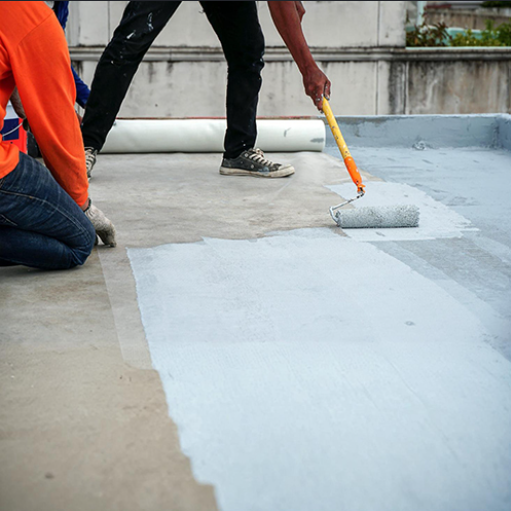
Roof waterproofing is the process of applying protective materials that prevent water from penetrating the roof surface. A properly installed waterproofing system creates a durable barrier against moisture while protecting roofing materials from weather-related damage.
Understanding the signs your roof needs waterproofing enables property owners to schedule maintenance before water causes long-term structural issues.
Why Roofs Deteriorate Over Time
Even high-quality roofs experience wear due to environmental exposure.
Common causes of roof deterioration include:
- Heavy rainfall
- Strong ultraviolet rays
- High temperatures
- Thermal expansion and contraction
- Standing water
- Poor drainage
- Aging roofing materials
- Lack of maintenance
These conditions gradually reduce the effectiveness of existing waterproofing systems.
Major Signs Your Roof Needs Waterproofing
Several warning signs indicate that the roof may require immediate attention.
Water Leaks Inside the Building
One of the most obvious signs your roof needs waterproofing is water leaking through ceilings or walls.
Even small leaks should never be ignored because they often indicate hidden roof damage.
Damp Patches on Ceilings or Walls
Moisture stains or damp areas inside the building usually suggest that water is entering through the roof.
These patches often become larger if waterproofing problems remain unresolved.
Visible Roof Cracks
Cracks allow rainwater to penetrate the roof structure.
Small surface cracks can quickly develop into larger structural problems without timely waterproofing.
Peeling Paint or Bubbling Surfaces
Moisture trapped beneath painted surfaces can cause paint to peel, blister, or bubble.
This may indicate water infiltration from above.
Standing Water on the Roof
Water that remains on the roof long after rainfall increases the risk of waterproofing failure.
Poor drainage should be corrected as soon as possible.
Mold and Mildew Growth
Persistent moisture creates conditions where mold and mildew can develop.
Besides damaging building materials, mold may also affect indoor air quality.
Damaged Waterproof Coating
If existing waterproof coatings begin peeling, cracking, or separating from the roof surface, their protective performance may be reduced.
Professional inspection is recommended when these conditions appear.
Loose Roofing Materials
Loose tiles, damaged membranes, or separated joints allow moisture to enter the roof structure.
These are common signs your roof needs waterproofing and should be repaired promptly.
Hidden Warning Signs Many Property Owners Miss
Not every waterproofing problem is immediately visible.
Less obvious indicators include:
- Rising indoor humidity
- Musty odors
- Increased cooling costs
- Discolored insulation
- Small ceiling stains
- Hairline roof cracks
- Condensation in upper floors
Regular inspections help identify these hidden problems before they become serious.
What Happens If Waterproofing Is Delayed?
Ignoring roof problems can lead to significant structural damage.
Potential consequences include:
- Interior water damage
- Concrete deterioration
- Rusting reinforcement
- Electrical hazards
- Ceiling damage
- Wall deterioration
- Mold infestation
- Higher repair costs
Addressing the signs your roof needs waterproofing early helps avoid these expensive complications.
How Roof Waterproofing Protects Your Property
An effective waterproofing system offers several long-term benefits.
Prevents Water Penetration
Waterproof barriers stop rainwater from entering the roof structure.
Extends Roof Lifespan
Protective coatings reduce environmental wear and help preserve roofing materials.
Reduces Maintenance Costs
Preventive waterproofing minimizes the need for major repairs.
Protects Interior Spaces
Furniture, ceilings, insulation, and walls remain protected from moisture damage.
Maintains Structural Strength
Keeping water away from structural components supports long-term building durability.
How Often Should Roofs Be Inspected?
Routine inspections help detect waterproofing issues before they worsen.
Property owners should consider:
- Annual roof inspections
- Inspections after heavy rainfall
- Seasonal maintenance checks
- Immediate inspection after visible roof damage
Regular evaluations make it easier to identify the signs your roof needs waterproofing before serious problems develop.
Preventive Maintenance Tips
Simple maintenance practices help preserve waterproofing performance.
Keep Roof Surfaces Clean
Remove leaves, dust, and debris regularly.
Maintain Drainage Systems
Ensure gutters and drainage outlets remain free from blockages.
Repair Small Cracks Quickly
Early repairs help prevent larger structural problems.
Schedule Professional Assessments
Professional inspections provide detailed evaluations of roof condition and waterproofing performance.
Consistent maintenance extends the life of both the roof and the waterproofing system.
Choosing the Right Waterproofing Solution
Different roofs require different waterproofing systems depending on:
- Roof design
- Construction materials
- Building age
- Climate conditions
- Drainage layout
- Existing roof condition
A professional assessment helps determine the most suitable waterproofing approach for long-term protection.
Conclusion
Recognizing the signs your roof needs waterproofing is essential for preventing leaks, moisture damage, and expensive structural repairs. Warning signs such as water leaks, damp ceilings, roof cracks, standing water, peeling paint, mold growth, and damaged waterproof coatings should never be ignored.
Regular inspections, timely maintenance, and appropriate waterproofing solutions help extend the lifespan of the roof while protecting the entire building. By taking action as soon as the first signs appear, property owners can preserve their investment and enjoy reliable roof performance for many years.