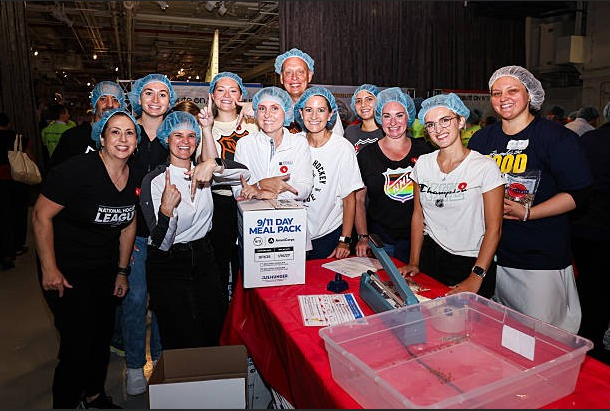
September 11 remembrance can feel deeply personal, but finding the right way to serve is not always simple. You may want to contribute without committing to a full day, joining a large crowd, or choosing a cause that does not feel connected to you.
That is where a more thoughtful approach helps. The best 9/11 volunteer opportunity is not necessarily the biggest or most visible one. It is the one that fits your schedule, reflects your values, and allows you to show up with genuine purpose.
With the right approach, you can find a meaningful way to serve that feels manageable, personal, and worth repeating.
Key Takeaways
- Consider your available time and energy before choosing a volunteer role.
- Match the cause and task to what genuinely matters to you.
- Use micro-acts of service when a large event does not fit your schedule.
- Apply your existing skills or organize a small, carefully planned project.
- Share what worked so others can continue the ripple of service.
7 Smart Ways to Find 9/11 Volunteer Opportunities That Fit Your Life
Build a Time and Energy Budget
Before signing up, look at both your calendar and your energy. Decide whether you have 20 minutes, two hours, or half a Saturday, then think about the kind of activity you can comfortably handle. You may prefer a quiet task, a social role, or something more physical.
Remember to include travel, parking, check-in, orientation, and the trip home when estimating the commitment. A two-hour event across town could take most of your afternoon, while a neighborhood activity may fit between other plans. A volunteer-hour estimate by The Do Good Institute also shows that even limited time can provide meaningful support to community organizations without requiring an all-day commitment from you.
Pro-tip: Choose a role you can complete without rushing or draining yourself.
Match Values Before Locations
The closest opportunity is not always the right one. Start by asking which people, causes, or communities matter most to you. You may feel drawn to veterans, first responders, children, seniors, food security, mental wellness, or stronger neighborhood connections.
Then consider the kind of work that feels natural. A people person may enjoy greeting participants or serving meals, while someone who prefers quieter tasks might organize supplies or prepare materials. Your 9/11 volunteer search becomes easier when you identify one cause and two tasks you genuinely enjoy. That simple filter helps you focus on opportunities that feel personal rather than merely convenient, visible, or close to home.
Pro-tip: Use those three choices to screen every opportunity before committing.
Try Micro-Acts of Service
You do not need an open calendar to make a meaningful contribution. Micro-acts of service allow you to help without joining a large event or giving up an entire day. You could write appreciation cards, assemble care kits, help a neighbor, contribute requested supplies, or share verified information about a local project.
These smaller actions work especially well for families, coworkers, students, and anyone managing limited time or energy. Well-thought-out 9 11 community support activities can turn remembrance into simple, practical acts you can complete over time without disrupting your whole week.
Pro-tip: Choose one action you can realistically finish this week instead of planning something too ambitious.
Use Skills You Already Have
Your everyday abilities may be exactly what a community organization needs. A writer could edit outreach materials, a designer might improve an event flyer, an accountant could organize a basic budget, and a bilingual volunteer might translate instructions.
You do not need a professional title, either. Organizing, listening, cooking, driving, teaching, planning, and communicating can all be useful when matched with the right project. Offering one clear skill is often more helpful than saying you will “help with anything,” because the organizer immediately understands where you may fit. A 9/11 volunteer can also use tailored Kindness Toolkits to find an activity without having to create every resource from scratch or manage every planning detail on their own.
Pro-tip: Offer one skill, one clear result, and one realistic deadline.
Turn Learning into Service
A lesson becomes more memorable when it leads to something learners can actually do. This approach works well for parents, teachers, and youth leaders who want to discuss September 11 through kindness, courage, service, and age-appropriate remembrance.
Begin with a simple conversation about helpers, friendship, respect, peace, or caring for the community. Then connect that idea to thank-you cards, pantry donations, encouraging messages, or a classroom kindness challenge. 9/11 lesson plans on being kind can also help children see that remembrance is not only about looking back. It can also shape how they treat classmates, neighbors, and community helpers through everyday choices and thoughtful actions today.
Pro-tip: End each lesson with one small action learners can complete immediately.
Create and Verify Your Own Project
When existing opportunities do not fit your schedule, values, or location, creating a small project can give you more control. You might collect toiletries, prepare snack bags, clean a neighborhood space, or organize a school-supply drive.
Keep the plan focused by choosing one beneficiary, one contribution type, one deadline, and one delivery method. The Six Steps for Organizers can help turn good intentions into concrete action. Before announcing the project, contact the recipient to confirm what is needed, acceptable, and useful. Apply the same care before you donate to 9/11 charity by checking its purpose and how contributions will be used.
Pro-tip: Verify the beneficiary, contribution rules, and intended outcome before involving others.
Design a Ripple Plan
One thoughtful act can travel further when you make it easy for someone else to repeat. After volunteering, share what you did, how long it took, which supplies were needed, and how someone could adapt the idea in their own community.
Points of Light has reported that volunteering can strengthen connections, trust, and a sense of belonging, while many nonprofits still struggle to fill volunteer roles. That is why a clear, personal invitation can be so useful. The social media tips can help you share practical details about 9/11 volunteer programs without turning the experience into a performance, making it easier for first-time volunteers to take the next step.
Pro-tip: Explain what made the activity manageable so others can start with confidence.
Conclusion
Finding the right 9/11 volunteer opportunity becomes easier when you focus on personal fit instead of the size of the commitment. Your time, energy, values, and skills can guide you toward a role you can complete with care.
Whether you join an event, complete a micro-act, use an existing skill, or organize a small project, keep the plan realistic and confirm where your support is going. The most meaningful act is often one you can complete sincerely and make easier for someone else to repeat.
Want to continue the ripple with Pay It Forward and choose a meaningful way to serve today.
https://www.payitforward911.org/FAQs
How much time should I set aside for a 9/11 volunteer activity?
Include preparation, travel, check-in, the activity itself, and the trip home. Choose a commitment that fits both your schedule and energy.
Can a small act of service still make a difference?
Yes. Cards, care kits, supply donations, neighborhood help, and other micro-acts can meet real needs without requiring a full day.
How can children take part in 9/11 service?
Connect an age-appropriate lesson about kindness, helpers, or community with one practical action they can complete that day.
How can I encourage others to participate?
Share the exact time, supplies, steps, and outcome so the activity feels realistic and easy for someone else to repeat.
Is the CFA Level 1 syllabus a guide for hosting a screening?
No. Use the CFA screening guide for venue planning, equipment, staffing, promotion, and event-day preparation.