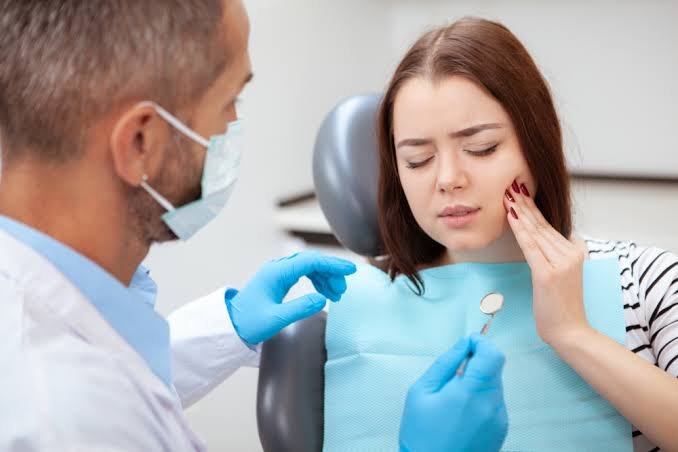
Dental emergencies can happen anytime. Whether you're dealing with severe tooth pain, a broken tooth, or a knocked-out tooth, our emergency dental services provide fast, reliable care when you need it most. Don't wait—protect your smile with immediate treatment.
Dental emergencies can happen at any time, often without warning. Whether it’s a severe toothache, a broken tooth, or a knocked-out tooth, getting immediate treatment is essential to relieve pain and prevent further complications. Emergency dental services are designed to provide prompt, professional care for urgent dental problems that cannot wait for a routine appointment.
In this guide, you’ll learn what qualifies as a dental emergency, the treatments available, and why seeking immediate dental care can protect your oral health and save your smile.
What Are Emergency Dental Services?
Emergency dental services are specialized treatments provided for urgent dental conditions that require immediate attention. These services focus on relieving pain, treating infections, repairing damaged teeth, and preventing permanent oral health problems.
Emergency dentists are equipped to diagnose and treat a wide range of dental emergencies, helping patients restore comfort and function as quickly as possible.
Common Dental Emergencies
Many dental problems require urgent care. Some of the most common emergencies include:
Severe Toothache
Persistent or intense tooth pain may indicate deep decay, infection, or an abscess. Prompt treatment helps relieve pain and prevent the condition from worsening.
Broken or Chipped Tooth
A cracked or broken tooth can expose sensitive inner layers, causing pain and increasing the risk of infection. Immediate treatment can often save the tooth.
Knocked-Out Tooth
A knocked-out tooth requires urgent care. If treated within 30–60 minutes, there’s a better chance the tooth can be successfully replanted.
Lost Filling or Crown
Losing a filling or crown leaves the tooth vulnerable to damage and sensitivity. Emergency treatment helps restore and protect the tooth.
Dental Abscess
A dental abscess is a serious bacterial infection that can cause swelling, severe pain, fever, and even spread to other parts of the body if left untreated.
Broken Dental Restoration
Crowns, bridges, veneers, or dentures that become damaged may affect chewing and speaking and should be repaired promptly.
Signs You Need Emergency Dental Care
You should seek emergency dental services immediately if you experience:
- Severe or persistent tooth pain
- Swelling of the gums, jaw, or face
- Uncontrolled bleeding after an injury
- A knocked-out permanent tooth
- A broken or cracked tooth causing pain
- Pus or signs of infection
- Difficulty chewing due to dental trauma
Ignoring these symptoms can lead to more serious complications.
What to Do Before Visiting an Emergency Dentist
Taking the right steps before reaching the dental office can improve the outcome.
For a Knocked-Out Tooth
- Hold the tooth by the crown, not the root.
- Gently rinse it with clean water.
- Place it in milk or saliva.
- Visit an emergency dentist immediately.
For a Toothache
- Rinse your mouth with warm salt water.
- Floss gently to remove trapped food.
- Avoid placing aspirin directly on the gums.
For a Broken Tooth
- Rinse your mouth with warm water.
- Apply a cold compress to reduce swelling.
- Save any broken tooth fragments if possible.
For Bleeding
- Apply gentle pressure using clean gauze.
- Seek immediate dental care if bleeding continues.
Emergency Dental Treatments We Offer
Depending on the problem, your dentist may recommend:
Emergency Dental Examination
A thorough examination, including digital X-rays if necessary, helps identify the cause of the problem.
Tooth Fillings
Small cavities or minor fractures can often be repaired with tooth-colored fillings.
Root Canal Therapy
If infection reaches the tooth pulp, root canal treatment removes the infection and saves the natural tooth.
Tooth Extraction
When a tooth cannot be restored, an emergency extraction may be necessary to prevent further complications.
Dental Crown Placement
Crowns restore strength and appearance to damaged teeth after trauma or extensive decay.
Infection Treatment
Antibiotics and drainage procedures may be required for serious dental infections or abscesses.
Benefits of Immediate Emergency Dental Services
Seeking prompt treatment offers several important benefits:
- Relieves pain quickly
- Prevents infections from spreading
- Saves damaged or knocked-out teeth
- Reduces the need for complex procedures
- Protects surrounding teeth and gums
- Restores normal chewing and speaking
- Improves long-term oral health
How to Prevent Dental Emergencies
While not every emergency is avoidable, you can reduce your risk by:
- Brushing twice daily with fluoride toothpaste.
- Flossing every day.
- Wearing a mouthguard during sports.
- Avoiding chewing hard objects like ice.
- Visiting your dentist regularly for checkups.
- Treating cavities and gum disease early.
Preventive dental care significantly lowers the chance of unexpected dental problems.
Why Choose Our Emergency Dental Services?
At Montclair Dental Spa, we understand that dental emergencies can be stressful and painful. Our experienced dental team provides prompt, compassionate care using advanced technology to diagnose and treat urgent dental conditions efficiently.
We focus on relieving pain, preserving your natural teeth whenever possible, and helping you return to your normal routine as quickly as possible.
Frequently Asked Questions
What is considered a dental emergency?
A dental emergency includes severe tooth pain, knocked-out teeth, broken teeth, abscesses, uncontrolled bleeding, and facial swelling.
Can I wait until the next day?
Minor discomfort may wait, but severe pain, swelling, infection, or trauma should be treated immediately.
How quickly should I see an emergency dentist?
Ideally, you should seek care as soon as possible. Certain conditions, such as a knocked-out tooth, require treatment within an hour for the best chance of saving the tooth.
Do emergency dentists perform tooth extractions?
Yes. If a tooth cannot be saved, an emergency extraction may be recommended to prevent infection and relieve pain.
Conclusion
Dental emergencies require fast action to protect your oral health and prevent long-term complications. Whether you’re experiencing severe tooth pain, a broken tooth, or a dental injury, emergency dental services provide the immediate care needed to relieve discomfort and restore your smile. Seeking prompt treatment not only improves outcomes but can also help save your natural teeth and reduce the need for more extensive procedures. If you experience a dental emergency, don’t delay—contact a qualified emergency dentist as soon as possible.