Modern homes are expected to do more than ever before. They have become workplaces, fitness spaces, entertainment hubs, and quiet retreats all while continuing to meet the demands of everyday family life. As lifestyles evolve, many homeowners are discovering that they have outgrown their existing space, yet moving home or building a traditional extension is not always the most practical option.
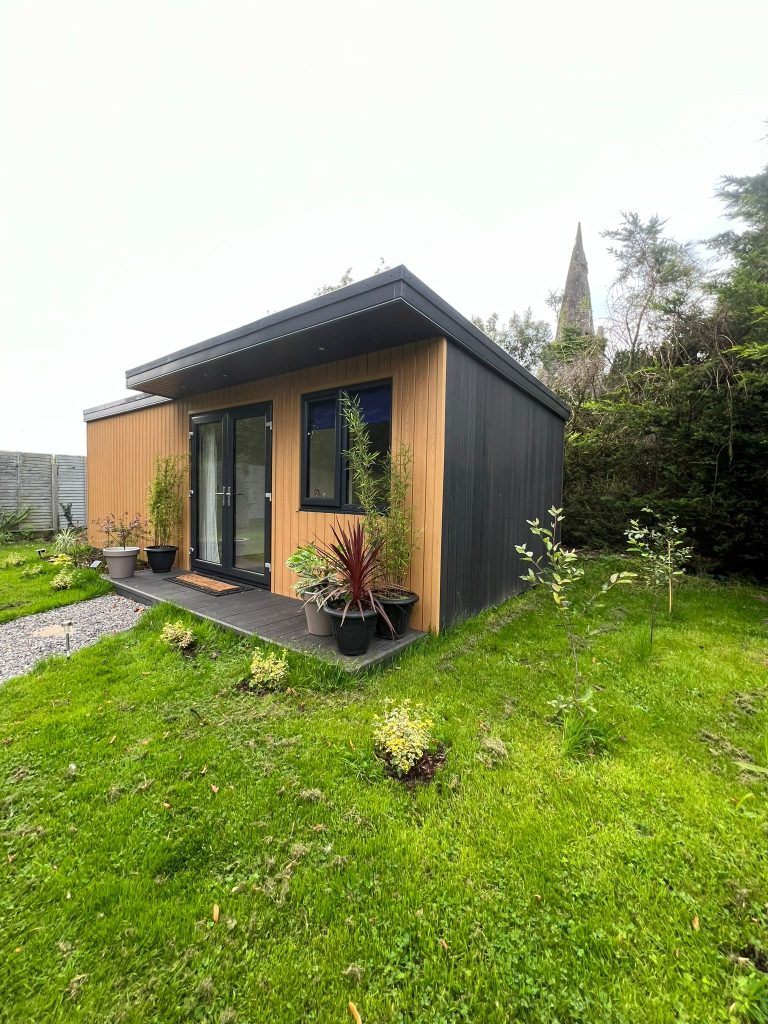
This shift has fuelled the growing popularity of garden rooms, which offer a flexible, stylish, and energy-efficient way to create valuable extra living space without the disruption associated with major building work. Professionally designed outdoor rooms allow homeowners to maximise their property’s potential while adapting to changing needs over time.
Why More Homeowners Are Choosing Garden Rooms?
Rising property prices, moving costs, and limited housing availability have encouraged many people across the UK and Ireland to improve rather than relocate. Instead of searching for a larger property, homeowners are looking for practical ways to make better use of the space they already own.
A well-designed outdoor room offers several advantages over a conventional extension:
- Faster installation
- Less disruption to everyday life
- Greater flexibility of use
- Separate space away from the main house
- Lower ongoing maintenance
- Modern, energy-efficient construction
Unlike traditional building projects that can take months to complete, modular construction methods enable much of the building to be manufactured off-site before professional installation, significantly reducing on-site construction time.
A Space That Evolves With Your Lifestyle
One of the biggest advantages of investing in a dedicated outdoor room is its versatility. Rather than serving a single purpose, the space can easily adapt as your family’s needs change over the years.
Many homeowners initially choose garden offices to support remote or hybrid working. Having a dedicated workspace away from household distractions can improve productivity while creating a healthier separation between work and home life.
Others transform the space into:
- Home gyms
- Yoga or meditation studios
- Creative art workshops
- Music practice rooms
- Cinema or entertainment spaces
- Guest accommodation
- Children’s playrooms
- Hobby rooms
- Reading lounges
For example, a family with young children may initially use the room as a play area before converting it into a teenager’s study space and later into a peaceful home office after the children leave home. This flexibility makes the investment particularly attractive for homeowners planning for the future.
Why Quality Construction Makes All the Difference?
Not every outdoor building delivers the same level of comfort. Standard timber sheds may provide useful storage, but they are rarely suitable as permanent living spaces.
Professionally built bespoke garden rooms are designed for everyday use throughout every season. Several key features contribute to this year-round comfort.
High-Performance Insulation
Quality insulation within the walls, floor, and roof helps maintain comfortable indoor temperatures regardless of the weather outside. This reduces heat loss during winter while helping prevent overheating during warmer months.
Natural Light and Ventilation
Large glazed areas create bright, welcoming interiors that feel connected to the garden. At the same time, effective ventilation improves airflow, helping maintain a fresh and comfortable environment throughout the year.
Premium Materials
Durable external cladding, weather-resistant roofing systems, quality glazing, and robust structural components all contribute to long-term reliability while reducing maintenance requirements.
Energy Efficiency
Modern construction techniques focus on minimising energy consumption without compromising comfort. Efficient insulation and glazing can help reduce heating requirements, making the building more economical to use over time.
Comparing Garden Rooms with Other Home Improvement Options
When considering additional living space, homeowners typically compare three options: traditional extensions, conservatories, and standalone outdoor buildings.
A traditional extension increases internal floor space but often involves lengthy construction work, greater disruption, and higher overall costs.
Conservatories provide additional light-filled space but older designs can sometimes experience temperature fluctuations unless upgraded with improved insulation.
A professionally designed modular garden room combines many of the advantages of both while offering a completely separate environment that can serve a wide variety of purposes.
Frequently Asked Questions
1. Do garden rooms add value to a property?
A professionally designed garden room can make a property more appealing by providing flexible, usable living space. While the exact impact varies depending on location and build quality, many buyers value an insulated outdoor room that can serve multiple purposes.
2. Can a garden room be used throughout the year?
Yes. Modern insulated buildings are designed for year-round use. Features such as high-performance insulation, quality glazing, efficient heating, and good ventilation help maintain a comfortable indoor environment in every season.
3. Is a garden room better than a traditional extension?
It depends on your goals. A traditional extension permanently increases the footprint of your home but usually involves longer construction times and greater disruption. A professionally built modular garden room often offers a faster installation process, greater flexibility, and a dedicated space separate from the main house.
4. What can a garden room be used for?
The possibilities are extensive. Homeowners commonly create remote working spaces, fitness studios, art rooms, music rooms, reading retreats, gaming rooms, guest accommodation, or peaceful areas for relaxation. Many families also adapt the space over time as their needs change.
5. Do I need planning permission?
Many garden rooms fall within permitted development rights, although this depends on factors such as size, height, location, and intended use. If your property is listed or located within a conservation area, additional requirements may apply. A professional installer can advise on the regulations relevant to your project.
6. How long does installation usually take?
Although every project is different, modular construction significantly reduces on-site building time. Because much of the structure is manufactured before delivery, installation is typically much quicker than a traditional extension.
7. What features should I prioritise?
Focus on long-term comfort rather than appearance alone. Quality insulation, durable external materials, double glazing, reliable heating, ventilation, efficient lighting, and a layout that supports your daily routine will provide better value over the life of the building.
8. Can a garden room be customised?
Absolutely. Homeowners can usually choose the size, internal layout, window and door positions, exterior finishes, flooring, lighting, electrical installations, heating systems, storage solutions, and other design features to create a space that suits both current and future needs.
9. Are garden rooms energy efficient?
Modern buildings are designed with energy efficiency in mind. Well-insulated walls, roofs, floors, and high-performance glazing help reduce heat loss, making the space comfortable while keeping running costs manageable.
Conclusion
Investing in additional living space no longer has to mean months of disruption or the expense of moving house. A thoughtfully designed outdoor building provides homeowners with a practical, adaptable space that evolves alongside changing lifestyles, whether that’s working from home, exercising, entertaining friends, or creating a peaceful retreat away from the main property.
The key to a successful project lies in careful planning, selecting premium materials, and working with experienced specialists who understand design, insulation, construction quality, and long-term performance. Every home is different, so taking the time to assess your available space and future requirements will help ensure the finished result delivers lasting value.
If you’re considering expanding your living space, seeking professional advice before making a decision can help you choose a solution that complements your property, supports your lifestyle, and remains comfortable for many years to come.