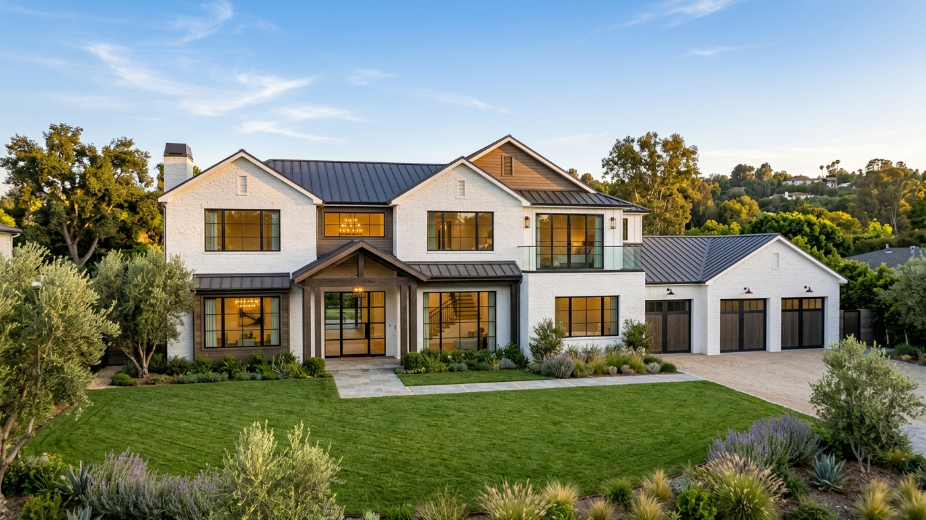

Real estate is rarely a single transaction. It’s a journey that can include buying a home, selling a property, building a custom residence, or investing in high value opportunities. Whether you’re a first time buyer, a seller looking to maximize value, a landowner ready to build, or an investor searching for the next great opportunity, understanding how each stage works is the key to making confident, profitable decisions.
Many people approach these four areas as if they were completely separate worlds. In reality, they overlap constantly. A homeowner who renovates before selling is combining building and selling strategy. An investor who buys, improves, and resells a property is combining buying, building, and investing all at once. Understanding how these pieces connect gives you an advantage no matter which stage of the real estate journey you’re currently in.
This guide breaks down everything you need to know about the four pillars of real estate: buying, selling, building, and investing, with practical insights for anyone navigating the luxury property market today.
1. Buying Luxury Real Estate: What to Know Before You Purchase

Buying a home, especially in the luxury property market, is about more than square footage and price. It’s about location, architecture, long term value, and lifestyle fit. Luxury buyers are typically evaluating a property not just as a place to live, but as a long term asset that should perform well financially even if personal circumstances change.
Why Location Still Drives Value
Location remains the single biggest factor in long term property appreciation. Proximity to top rated schools, coastline access, walkable city centers, and planned infrastructure or development projects can all influence how a property performs over the next five, ten, or twenty years. Buyers who focus only on the home itself, without evaluating the surrounding area’s growth trajectory, often miss opportunities that more experienced buyers catch early.
Architectural Quality and Craftsmanship
High end residences should reflect durable materials, thoughtful design, and modern functionality. This includes structural integrity, energy efficiency, quality of finishes, and how well the layout supports daily life. A beautifully staged home with poor underlying construction quality is a common trap for buyers who don’t have an experienced advisor or inspector guiding the process.
Move-In Ready vs. Renovation Potential
Some buyers want a completely turnkey luxury residence, while others prefer a property with strong bones and upside they can improve over time. Both strategies can work well, but they require different levels of risk tolerance, project management ability, and access to reliable contractors or development partners.
Key Considerations When Purchasing a Luxury Home
- Location and neighborhood value. Proximity to top schools, coastline, city centers, and future development plans all affect long term appreciation.
- Architectural quality and craftsmanship. High end residences should reflect durable materials, thoughtful design, and modern functionality.
- Resale and appreciation potential. Even a dream home is also an asset. Understanding market trends helps protect your investment.
- Move in ready vs. renovation potential. Some buyers want a turnkey luxury residence. Others prefer a property with upside they can improve over time.
- Working with experienced professionals. A knowledgeable real estate advisor or luxury home buyer’s agent can help you evaluate opportunities most buyers never see, including off market listings.
Buying premium property is as much an emotional decision as a financial one, but the best buyers balance both. The strongest purchases happen when personal vision and financial strategy point in the same direction.
2. Selling Your Property: Maximizing Value in Today’s Market

Selling a home, particularly a high end or luxury property, requires strategy, timing, and presentation. The goal isn’t just to sell. It’s to sell for maximum value, in a timeframe that works for the seller, without leaving money on the table.
Getting the Price Right From the Start
Accurate market pricing is the foundation of a successful sale. Overpricing can stall a listing and cause it to sit on the market, which often leads buyers to assume something is wrong with the property. Underpricing, on the other hand, can leave significant value unrealized. A comparative market analysis, which evaluates recently sold properties with similar features, location, and condition, is the most reliable way to set an accurate asking price.
Presentation Sells Homes
Property staging and presentation matter more in the luxury segment than almost anywhere else. Professional staging, high quality photography, and even light pre sale renovations, such as updated lighting, fresh paint, or landscaping improvements, can significantly increase buyer interest and perceived value. Buyers at this level are comparing your property against other high end listings, and presentation is often the deciding factor.
Reaching the Right Buyers
Luxury and high value properties often sell through targeted marketing, private networks, and off market channels, not just public listings. A seller working with an experienced advisory team gains access to a pool of qualified, motivated buyers that a standard listing may never reach.
Timing and Market Conditions
Seasonality, interest rates, and local inventory levels all affect how quickly, and how profitably, a home sells. Understanding current market conditions, rather than relying on general assumptions, helps sellers time their listing for maximum impact.
Steps to a Successful, High Value Home Sale
- Accurate market pricing. Set the right price using real, comparable data.
- Property staging and presentation. Maximize buyer interest with professional preparation.
- Marketing to the right buyer pool. Use targeted marketing and private networks, not just public listings.
- Timing the market. Account for seasonality, interest rates, and inventory levels.
- Working with a real estate advisory team. Partnering with professionals typically produces stronger outcomes than selling independently.
If you’re asking how to sell your house for the best price, the answer almost always starts with strategic preparation and expert guidance, rather than simply listing the property and hoping for the right offer.
3. Building a New Home: From Concept to Completion
New construction offers something resale homes often can’t: complete control over design, layout, and quality. Building a custom or luxury home is a rewarding process, but it’s also a complex one that requires the right partner, clear expectations, and careful planning from the very first step.
Land Acquisition and Feasibility
Every successful build starts with the right piece of land. This means identifying a lot with strong location value and confirming it can actually support your vision, including zoning restrictions, permitting requirements, soil conditions, and utility access. Skipping this due diligence step is one of the most common and costly mistakes in new construction.
Design and Architectural Planning
Design and architectural planning is where your vision becomes a workable blueprint. This stage balances aesthetics, functionality, and California’s building codes, and it’s where decisions about layout, natural light, indoor outdoor flow, and long term livability are made.
Navigating Permits and Approvals
Permitting and approvals are often one of the most time consuming parts of new home construction. City and county requirements vary significantly, and delays at this stage can extend a project’s timeline by months if not managed proactively by an experienced team.
Managing the Build
Construction and project management involves coordinating architects, engineers, contractors, and vendors to keep the build on time and on budget. This is where experience matters most, since unexpected issues, from supply delays to design changes, are common in any custom build.
Final Finishes
Final finishes and walkthrough is the last stage, covering everything from custom cabinetry and flooring to smart home integration. These details are what elevate a well built house into a true luxury residence.
The New Construction Process Typically Includes
- Land acquisition and feasibility. Confirming the lot can support your vision.
- Design and architectural planning. Translating vision into a buildable blueprint.
- Permitting and approvals. Navigating city and county requirements.
- Construction and project management. Coordinating every trade and vendor involved.
- Final finishes and walkthrough. Elevating the build into a finished luxury home.
Working with a licensed, experienced luxury home builder ensures your new construction project is executed with precision, protecting both your vision and your investment from avoidable delays and cost overruns.
4. Investing in Real Estate: Building Long-Term Wealth

Real estate investment, from single properties to full development projects, remains one of the most reliable ways to build long term wealth. Successful investing requires more than capital. It requires strategy, patience, and a clear understanding of risk.
Buy and Hold Investing
Buy and hold investing involves purchasing property for long term appreciation and rental income. This strategy tends to reward patience and is often favored by investors focused on building a stable, long term portfolio rather than quick returns.
Fix and Flip Investing
Fix and flip, or renovation investing, involves acquiring undervalued properties, renovating them, and reselling for profit. This strategy can generate faster returns but requires accurate cost estimation, reliable contractors, and a strong understanding of local buyer demand.
Ground-Up Development
Ground up development means acquiring land and building new residential or luxury projects. This is typically the strategy with the highest potential return, but it also carries the highest complexity, requiring expertise across land acquisition, design, permitting, and construction management.
Diversifying a Portfolio
Portfolio diversification means spreading investment across property types and locations to manage risk. Investors who concentrate too heavily in a single property type or market are more exposed to localized downturns.
The Value of an Advisory Team
Working with an investment advisory team gives investors access to deal evaluation, financial modeling, and market insight that helps identify opportunities before they hit the open market. This kind of guidance often makes the difference between an average return and an exceptional one.
Core Investment Strategies to Understand
- Buy and hold investing. Long term appreciation and rental income.
- Fix and flip / renovation investing. Acquiring, improving, and reselling for profit.
- Ground up development. The highest potential return, and the highest complexity.
- Portfolio diversification. Managing risk across property types and locations.
- Working with an investment advisory team. Evaluating deals with real numbers, not assumptions.
Whether you’re a first time investor or managing a growing portfolio, the right advisory partner can be the difference between an average return and an exceptional one, especially in a market as competitive as California real estate.
Bringing It All Together
Buying, selling, building, and investing are often treated as separate categories, but the most successful real estate outcomes happen when they’re approached with a unified strategy. A buyer today may be a seller in five years. A seller may reinvest proceeds into new construction. An investor may need renovation expertise to maximize a property’s value before resale.
This is also why so many real estate decisions fail when they’re made in isolation. A buyer who doesn’t consider resale value may struggle to sell later. A seller who doesn’t understand construction costs may underprice a fixer upper. An investor who doesn’t understand permitting timelines may underestimate a development project’s true cost. Each discipline informs the others.
That’s why working with a firm that understands the full real estate lifecycle, not just one piece of it, gives you a distinct advantage. Instead of coordinating separate agents, contractors, and advisors who don’t communicate with each other, you gain a single team that understands how each decision affects the next stage of your real estate journey.
If you are comparing the best luxury home builders in manhattan beach, Reeland Investments offers a thoughtful approach to luxury residential development. Our focus is on distinctive architecture, quality craftsmanship, premium materials, and functional spaces designed for contemporary lifestyles. Whether you are considering a custom residence, new construction, or a high-end property opportunity, our team can help you explore your options. Connect with Reeland Investments today to discuss your Manhattan Beach luxury home goals.
Frequently Asked Questions
What’s the difference between buying and investing in real estate?
Buying typically refers to purchasing a primary residence based on lifestyle needs and long term livability. Investing refers to acquiring property primarily to generate a financial return, whether through rental income, renovation and resale, or ground up development.
How do I know if I should renovate or build new?
It depends on the lot, the existing structure, and your goals. A property with a strong existing foundation and layout may be a good renovation candidate. A lot with an outdated or structurally limited home may deliver better long term value through new construction.
What’s the best time to sell a luxury home?
Timing depends on local inventory, interest rates, and buyer demand, but well prepared, well priced luxury homes tend to perform well in most market conditions when marketed to the right buyer pool.
Do I need a specialized agent or advisor for luxury real estate?
Yes. Luxury and high value transactions often involve off market opportunities, complex financing, and buyers or sellers who expect a higher level of discretion and expertise than a standard residential transaction.
How long does new home construction typically take?
Custom luxury home construction in California generally takes between 12 and 24 months from permitting to completion, depending on project size, complexity, and local approval timelines.
Is real estate still a good investment in today’s market?
Real estate has historically been a reliable long term wealth building tool, though returns vary by strategy, location, and market timing. Working with an experienced advisory team helps identify opportunities suited to current conditions.
What’s the biggest mistake first time luxury buyers make?
Focusing solely on the home’s current appearance without evaluating construction quality, location trajectory, and long term resale potential. A property that looks perfect today can still be a poor long term investment if these factors are overlooked.
Can one firm handle buying, selling, building, and investing?
Yes. Firms with experience across the full real estate lifecycle, including development, renovation, and investment advisory, can guide clients through multiple stages with a consistent strategy, rather than requiring separate specialists for each transaction.
Conclusion
Real estate rewards those who understand the full picture, not just one transaction in isolation. Buying is about finding long term value and lifestyle fit. Selling is about strategic pricing and presentation. Building is about precision, planning, and the right construction partner. Investing is about discipline, strategy, and timing. Each stage connects to the next, and the buyers, sellers, builders, and investors who succeed are the ones who approach real estate with a clear, informed strategy and experienced guidance at every step.
Whatever stage of the real estate journey you’re in, the right partner can help you avoid costly mistakes and unlock opportunities you might otherwise miss. Real estate decisions made with a long term, connected strategy consistently outperform those made one transaction at a time.