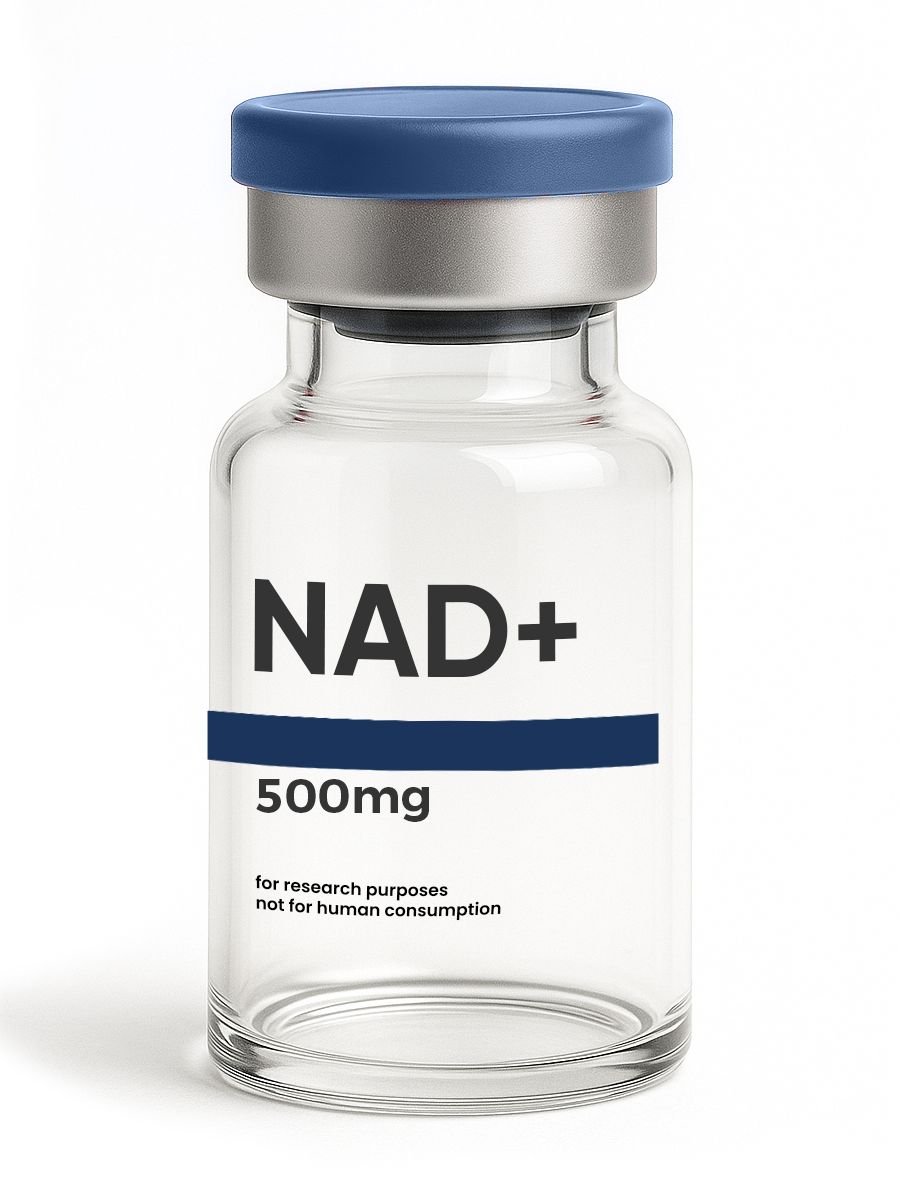
NAD+ has become one of those health terms you suddenly see everywhere: supplement bottles, longevity clinics, podcasts, even IV therapy menus. The attention isn’t completely random. NAD+ is a molecule your cells already make, and it plays a direct part in turning food into usable energy.
It’s also involved in DNA repair and several signalling processes linked with cellular health. What gets messy is the jump from “this molecule is essential” to “taking more will make you younger.” Human research hasn’t proved anything that dramatic yet.
What does NAD+ actually do in your body?
Think about the food you ate this morning. Your body doesn’t simply absorb toast, eggs or porridge and magically turn them into energy. There are dozens of chemical steps in between.
NAD+ works as a coenzyme in many of those reactions, especially the processes involved in producing ATP, the energy currency used by cells. Your muscles need ATP. Your brain needs it. Even basic cellular maintenance relies on it.
It also acts as a substrate for enzymes involved in DNA repair, cellular stress responses and gene regulation. That’s why researchers are so interested in it when studying metabolism and ageing.
Does NAD+ really increase energy levels?
Possibly, but this needs a bit of perspective.
Having enough of the molecule is essential for normal cellular energy production. That doesn’t automatically mean taking a supplement will make you feel noticeably more energetic on Monday morning.
Most supplements marketed for this purpose actually contain precursors such as nicotinamide riboside, or NR, rather than the molecule itself.
One eight-week human trial caught my attention because it tested 100 mg, 300 mg and 1,000 mg of NR daily. Whole-blood levels increased by roughly 22%, 51% and 142% respectively. That’s interesting data. But higher blood levels aren’t the same thing as guaranteed improvements in energy, fitness or lifespan.
That’s where marketing sometimes runs ahead of the science.
Can NAD+ support a healthy metabolism?
There is a sensible biological argument here.
Energy metabolism depends heavily on reactions involving this coenzyme. Researchers are also studying its relationship with insulin sensitivity, mitochondrial function, inflammation and metabolic changes associated with ageing.
Yet clinical outcomes are still inconsistent.
A review of human trials involving nicotinamide riboside found that supplementation can raise related metabolites, while many promised improvements in metabolic health haven’t appeared consistently in real people.
If I were spending £50 a month on something marketed for metabolic health, that distinction would matter to me. A biochemical change on a blood test sounds impressive. Feeling better, maintaining muscle or improving glucose control is another question entirely.
Does NAD+ slow ageing?
This is probably the claim you’ve heard most.
Scientists have found links between changes in NAD metabolism and several processes associated with ageing. Animal research has produced some genuinely interesting results too.
Human evidence is much less settled.
A 2025 review in Nature Metabolism found that evidence for an age-related decline in human levels is more limited than people sometimes assume. Trials of precursor supplements have also shown fairly modest clinical effects so far.
So, NAD+ is involved in the biology of ageing. That’s reasonable to say.
Saying a supplement “reverses ageing” isn’t.
For me, a claim such as “younger cells in 30 days” would be an immediate reason to look much harder at what evidence is actually being cited.
Is Tesamorelin connected to NAD+?
Not in the way some longevity discussions make it sound.
Tesamorelin is a growth hormone-releasing factor analogue. In the United States, its approved indication is reducing excess abdominal fat in adults with HIV-associated lipodystrophy. It isn’t approved there as a general weight-loss drug or an anti-ageing treatment.
Putting these therapies into the same “longevity” basket can therefore be misleading. They affect very different biological pathways.
For UK readers, prescription medicines or injectable peptides shouldn’t be treated like ordinary wellness supplements. Speak with an appropriately qualified clinician and check authorised medicine information through the MHRA rather than relying on a clinic’s social media page.
Can Tesamorelin improve metabolism or healthy ageing?
Research around growth hormone pathways makes this an interesting scientific subject, but that’s not the same as proving a general healthy-ageing benefit.
The FDA prescribing information also lists issues including increased IGF-1, fluid retention and possible glucose intolerance or diabetes. It specifically states that long-term cardiovascular safety hasn’t been established.
That’s a very different picture from the casual “metabolism booster” language you might come across online.
Should you take an NAD+ supplement?
There isn’t one answer for everyone.
NR and NMN are being studied because the body can use them in pathways that produce NAD+. Some human studies suggest these compounds can raise related blood metabolites, and short-term tolerability has generally looked reasonable in the populations studied. The bigger question is whether that reliably translates into outcomes you actually care about.
Energy. Strength. Better metabolic health. Longer healthy life.
We don’t have convincing answers for all of those yet.
If you’re in the UK and take medication, have a long-term condition, are pregnant, or you’re considering high-dose supplements or injections, I’d speak with your GP, pharmacist or another qualified healthcare professional first. A supplement being available online doesn’t automatically make it the right choice.
FAQ
What foods help your body make NAD+?
Your body can produce it from vitamin B3-related compounds found in foods such as meat, fish, dairy products, whole grains, nuts and some vegetables. A varied diet generally provides the nutrients needed for these pathways.
How long does it take for NAD+ supplements to work?
Studies show that some precursors can change blood metabolite levels within weeks, but there isn’t a proven timeline for noticeable improvements in energy, metabolism or ageing. Those are separate outcomes.
Is NAD+ safe to use every day?
Safety depends on the product, dose, duration and your health. Research on some precursors is encouraging, but long-term evidence remains incomplete. Don’t assume that more is better.
Want to support healthy ageing sensibly? Start with sleep, regular movement, resistance training, balanced nutrition and medical advice when needed. Supplements can be part of the conversation, but they shouldn’t replace the basics.