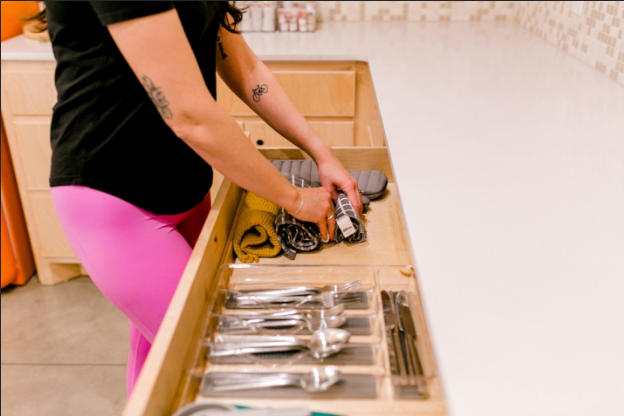
A kitchen can fill up faster than most people realize. One new appliance, a duplicate pan, a few extra utensils, and suddenly, drawers stop closing, and cabinets become harder to use. For home cooks, the challenge is not simply owning less. It is deciding what deserves everyday access, what should be stored for occasional use, and what is taking up space without adding much value.
Smart choices can make meal prep smoother and reduce daily frustration.
So, what should stay within reach, what can move to a higher shelf, and what is probably ready to leave your kitchen for good? Let’s take a look at it in detail below.
Key Takeaways
- Keep the quality tools you use regularly.
- Donate duplicate or unused kitchen items in good condition.
- Store pantry staples in airtight containers.
- Organize your kitchen into functional work zones.
- Check pantry and refrigerator contents regularly.
- Replace damaged or unsafe cookware promptly.
- Rotate pantry ingredients to reduce food waste.
Guide to What Home Cooks Keep, Donate, and Store in Their Kitchens
-
Keep Items That Support Your Everyday Cooking
Every kitchen should reflect how you actually cook instead of how you hope to cook. If you prepare simple family dinners most nights, your everyday cookware deserves priority over specialty appliances that rarely leave the cabinet.
Reliable essentials include quality frying pans, saucepans, chef’s knives, cutting boards, mixing bowls, measuring cups, baking sheets, storage containers, and frequently used small appliances. These tools contribute to nearly every meal and are worth keeping if they’re in good condition.
Keeping dependable kitchen accessories also saves money because durable cookware often performs better and lasts significantly longer than cheaper replacements.
-
Donate Kitchen Tools You No Longer Use
Many kitchens contain appliances purchased with good intentions but forgotten after a few uses. If something has remained untouched for a year and still works properly, it’s probably time to let other home cooks benefit from it.
Duplicate utensils, extra mugs, serving platters, specialty gadgets, unused bakeware, and small appliances in working order are all excellent donation candidates. Local charities, thrift stores, shelters, and community organizations often accept clean kitchen supplies.
Donating instead of throwing away reduces waste while creating valuable cabinet space for the items you genuinely use.
-
Remove Items That Are No Longer Safe
Some kitchen items shouldn’t be donated because they may pose safety concerns.
Deeply scratched nonstick pans, cracked plastic containers, chipped cookware, warped cutting boards, rusted baking trays, broken utensils, and expired spices should all be replaced. These items can affect food quality, harbor bacteria, or simply fail to perform properly.
Regularly inspecting your cooking tools helps maintain both safety and efficiency.
-
Store Pantry Foods Properly
Proper storage extends shelf life and helps preserve food quality. Dry goods such as rice, flour, sugar, pasta, beans, oats, and cereal stay fresher when home cooks transfer them into airtight containers.
Label containers with purchase dates so older products are used first. Keep cooking oils away from heat and sunlight, and avoid storing potatoes and onions together because they release gases that shorten each other’s storage life.
Simple storage habits help reduce food waste while keeping ingredients organized.
-
Organize the Refrigerator for Freshness
A well-organized refrigerator protects food and makes ingredients easier to find.
Store raw meat on the lowest shelf to prevent drips from contaminating other foods. Keep dairy products toward the back, where temperatures stay more consistent, while fruits and vegetables belong in their designated drawers.
Review leftovers every week to avoid forgotten containers and unnecessary waste.
-
Create Storage Zones That Make Sense
Professional home cooks often divide kitchens into activity-based zones rather than randomly filling cabinets.
Store cooking utensils near the stove, knives close to your prep space, baking supplies together, and food storage containers near the refrigerator. Keeping related items together reduces unnecessary movement during meal preparation and creates a smoother cooking experience.
Even small kitchens become more efficient when every cabinet has a clear purpose.
Wrap Up
A practical kitchen is built around everyday habits of home cooks, not overflowing cabinets. Keeping dependable premium kitchenware, donating unused kitchenware, removing damaged items, and storing ingredients correctly create a space that’s cleaner, safer, and easier to use. Small organizational improvements add up over time, helping reduce waste, simplify meal preparation, and make cooking more enjoyable.
With regular decluttering and thoughtful storage, your kitchen can remain organized and functional throughout the year.
Frequently Asked Questions
How often should I declutter my kitchen?
A thorough decluttering every six to twelve months, along with monthly pantry checks, keeps your kitchen organized.
What kitchen items are best to donate?
Unused cookware, dishes, utensils, bakeware, mugs, and working small appliances in good condition make excellent donations.
How should pantry staples be stored?
Store dry ingredients in airtight containers away from heat, moisture, and direct sunlight for maximum freshness.
What should I throw away instead of donating?
Discard cracked containers, scratched nonstick pans, rusted cookware, broken utensils, and expired food or spices.
Why are kitchen storage zones helpful?
Grouping similar items together improves workflow, saves time during meal preparation, and makes cabinets easier to maintain.