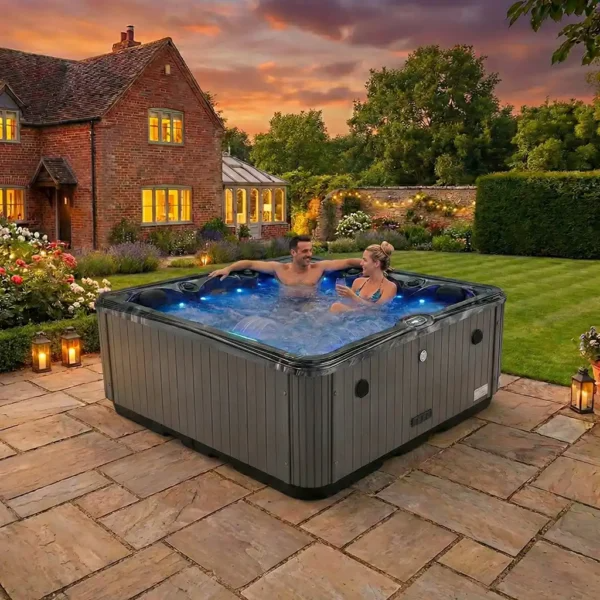
A hot tub can become one of the most enjoyable features in a garden, but the area surrounding it deserves just as much thought as the spa itself. The right decking can create a practical transition between the house, garden and hot tub while making the entire outdoor space easier to use.
However, choosing a suitable surface involves more than selecting a colour or wood-effect finish. Homeowners should think about moisture, drainage, access, safety, maintenance and how the space will be used throughout the year.
Start With the Hot Tub Position
Before choosing decking, decide where the hot tub will actually sit. The position can influence everything from the size of the deck to the direction people approach the spa.
Consider how close the area is to the house, whether there is enough room around the tub and how easily people can get in and out. Access for installation and future servicing should also be considered at the planning stage.
A well-positioned deck can create a clear route between the house and the hot tub without making the garden feel overcrowded.
Think About Water and Weather
Hot tub areas naturally experience more water than many other parts of a garden. People getting out of the spa will leave water on the surrounding surface, while rain and changing temperatures add another challenge.
This makes the choice of decking particularly important.
A suitable outdoor surface should be designed for exterior conditions and provide appropriate slip resistance when wet. Millboard decking, for example, uses a textured Lastane® surface and is described by Hot Tubs of London as a wood-free, non-porous decking option with anti-slip properties.
The exact performance of any decking system will depend on its specification, installation and ongoing care.
Plan the Deck Around More Than the Hot Tub
A common mistake is to think of decking simply as a platform for the spa. In reality, the surrounding area can serve several purposes.
A larger layout could incorporate:
- Steps leading to the garden
- Outdoor seating
- A small table
- Towel storage
- Privacy screening
- Planting
- Outdoor lighting
- Space for accessories
This approach can turn a hot tub installation into a complete outdoor living area rather than an isolated feature.
For homeowners considering Hot Tub Decking, it is therefore useful to plan the entire area before deciding on the final dimensions.
Leave Practical Space Around the Spa
The amount of surrounding space matters for both comfort and maintenance.
People need room to move around the hot tub safely, while technicians may need access to certain components during servicing. Steps should also be positioned where they are convenient rather than simply placed wherever there is spare room.
Think about how the area will be used on a typical evening. Will several people be getting in and out? Will towels and robes need somewhere nearby? Will outdoor furniture remain on the deck?
Answering these questions early can help prevent an attractive design from becoming impractical.
Choose a Surface That Complements the Garden
Decking has a major visual impact because it can cover a relatively large area.
Natural-looking finishes can work well in traditional gardens, while contemporary colours may suit modern properties. The surrounding fencing, patio, planting and house exterior should all be considered when choosing the finish.
Millboard is designed to reproduce the appearance and texture of natural timber while using a wood-free composite construction. Its surface is hand-tinted to create a more natural variation in appearance.
Using samples before making a final decision can be particularly useful because decking can look different in natural daylight compared with showroom lighting.
Consider Drainage During Installation
Good drainage is an important part of any outdoor decking project, particularly around a hot tub.
Water should have a suitable route away from the deck rather than being allowed to collect around the structure. The subframe, ground conditions, falls and surrounding landscaping all need to be considered as part of the installation.
This is one reason professional Garden Decking Installation can be valuable. A good finish depends not only on the visible boards but also on the structure beneath them and how the deck interacts with the rest of the garden.
Don’t Forget Lighting and Privacy
A hot tub is often used after sunset, so lighting should be considered alongside the decking design.
Low-level lights around steps and pathways can make movement easier, while softer lighting can help create a more relaxed atmosphere. Privacy can also be improved through planting, screens, fencing or carefully positioned structures.
The aim is to create a space that feels private without completely closing it off from the garden.
Think About Long-Term Maintenance
Every outdoor surface requires some level of care, but the amount of maintenance can vary significantly between materials.
Traditional timber may require treatments such as staining or sealing, while some composite systems are designed to reduce routine upkeep.
Millboard’s surface is designed to resist staining and algae growth and requires routine cleaning to maintain its appearance.
Homeowners should always follow the manufacturer’s cleaning and maintenance recommendations rather than assuming that composite decking is completely maintenance-free.
Create a Space You Will Actually Use
The best hot tub decking design is not necessarily the biggest or most elaborate. It is the one that fits naturally into the garden and makes everyday use convenient.
Before installation, consider the position of the hot tub, access, drainage, privacy, seating, lighting and future servicing. Choosing the decking material only after these practical decisions have been made can result in a more cohesive and usable outdoor space.
For homeowners looking to combine a hot tub with a durable, wood-effect outdoor surface, Millboard Decking can be one option worth exploring. The key is to look at the complete installation rather than treating the decking as an afterthought.
A thoughtfully planned deck can provide more than a base for a hot tub. It can become the foundation for a comfortable outdoor area that works for relaxing, entertaining and enjoying the garden throughout the seasons.
Consider Drainage During Installation
Good drainage is one of the most important practical considerations when creating a decking area around a hot tub. Water will inevitably reach the surface, both from the spa itself and from normal British weather, so the deck needs to be designed with water management in mind.
The area underneath and around the decking should allow rainwater to move away effectively rather than becoming trapped beneath the structure. Ground levels, subframe design, drainage routes and the relationship between the deck and surrounding landscaping can all affect the finished result.
This is also where professional Garden Decking Installation can make a difference. The visible boards are only one part of the project; the supporting structure and preparation underneath are equally important.
Leave Room for Maintenance
It can be tempting to build decking tightly around a hot tub to create a neat, integrated appearance. However, completely surrounding the spa without considering access can make future maintenance more difficult.
Hot tubs contain pumps, filters, electrical components and other equipment that may occasionally require inspection or servicing. The decking design should therefore allow appropriate access to areas that may need attention.
This does not necessarily mean leaving large amounts of unused space. Instead, the layout should be planned around the manufacturer’s access requirements and the specific hot tub installation.
Think About Safety Around Wet Areas
A hot tub decking area is different from an ordinary garden deck because water is part of everyday use.
People may step directly from the spa onto the decking with wet feet, particularly during colder weather when they are unlikely to remain outside for long. The surface should therefore be suitable for outdoor use and offer appropriate grip when wet.
Steps and changes in level also deserve attention. They should be positioned where they are easy to see and use, with suitable lighting if the area will be used after dark.
Homeowners should also consider where towels, robes and footwear will be placed. Small practical details can make the difference between a space that looks good and one that is genuinely convenient.
Choose a Finish That Works With the Property
Once the practical requirements have been established, appearance becomes an important part of the decision.
The decking can influence the overall character of the garden, particularly when it covers a substantial area around the spa. A wood-effect finish can complement planting and traditional landscaping, while darker or more contemporary finishes may work well with modern properties.
Millboard decking is designed to recreate the appearance of natural timber while using a wood-free composite construction. Its textured surface and varied colouring are intended to provide a more natural-looking finish than a completely uniform manufactured surface.
Before making a final choice, it can be useful to view physical samples outside. Natural daylight can make colours and textures appear quite different from how they look on a screen.
Plan Lighting and Privacy Together
A well-designed hot tub area should also work after sunset.
Low-level lighting around steps, pathways and seating can help make the space easier to navigate. More subtle illumination around the decking can provide a comfortable setting without making the garden feel overly bright.
Privacy is another consideration, particularly in overlooked gardens. Depending on the property, homeowners could use fencing, planting, screening or a pergola to create separation from neighbouring gardens.
The objective is not necessarily to enclose the hot tub completely. A combination of planting and carefully positioned screening can provide privacy while maintaining an open connection with the rest of the garden.
Consider How the Area Will Be Used
Before finalising the decking layout, think about what normally happens around the hot tub.
Will the space be used mainly by two people, or will several family members regularly use it? Will there be outdoor chairs nearby? Is there enough room for a small table? Will children need a clear route through the garden?
These considerations can influence the shape and size of the deck.
A simple rectangular platform may be appropriate for a compact installation, while a larger garden could benefit from separate areas for the hot tub, seating and access.
The best design is not necessarily the one with the most decking. It is the one that makes the available space work efficiently.
Think About Long-Term Maintenance
Outdoor decking is exposed to rain, dirt, algae and changing temperatures, so maintenance should be considered before installation.
Different materials require different levels of care. Traditional timber may need periodic treatment, while some composite decking systems are designed to reduce routine maintenance.
Millboard is a wood-free composite decking material with a surface designed to resist staining and algae growth. However, it should not be treated as completely maintenance-free. Regular cleaning and following the manufacturer’s care guidance remain important.
The same principle applies to the wider hot tub area. Keeping the decking, steps, drainage and surrounding surfaces clean can help maintain both appearance and usability.
Build the Area Around the Lifestyle
A hot tub decking area should ultimately make the garden easier and more enjoyable to use.
That means thinking beyond the spa itself. Consider where people will walk, where they will sit, where towels will be kept, how water will drain and how the area will look from the house.
For homeowners combining a spa with a wood-effect composite surface, Millboard Decking can be considered as part of a wider garden design rather than simply as a platform beneath the hot tub.
Before Installing Hot Tub Decking
Ask yourself:
- Is the hot tub positioned correctly?
- Is there enough space for safe access?
- Can the decking be properly supported?
- Where will rainwater drain?
- Can the hot tub still be serviced?
- Is the surface suitable for wet conditions?
- Do I need steps or privacy screening?
- Where will lighting and electrical features go?
- Will outdoor furniture be included?
- How much maintenance am I prepared to undertake?
Answering these questions before installation can help prevent practical problems later.
Final Thoughts
Planning decking around a hot tub is about creating a complete outdoor environment rather than simply covering the ground around the spa.
The right design should consider access, drainage, safety, maintenance, privacy and everyday use alongside appearance. A carefully selected decking material can then complement these practical decisions and help the hot tub feel properly integrated into the garden.
Whether the finished area is compact or expansive, thoughtful planning can turn the space around a hot tub into a comfortable and practical part of the garden one that is designed for real use rather than simply looking impressive on installation day.