Emergency Plumbing Services
Water damage can turn an ordinary plumbing problem into a costly household disaster within a surprisingly short time. A burst pipe, overflowing fixture, or failed water heater can release enough water to damage floors, walls, ceilings, furniture, and personal belongings. In these situations, waiting until regular business hours may allow the problem to become significantly worse. Emergency Plumbing Services provide homeowners with access to professional assistance when urgent plumbing failures happen outside normal schedules. Understanding how these services work can help homeowners respond quickly, limit damage, and protect their property.
Why Plumbing Emergencies Can Become Catastrophic
Water is one of the most destructive forces inside a home when it reaches areas that are not designed to withstand moisture. A small leak underneath a sink may initially appear manageable, but hidden moisture can eventually affect cabinets, flooring, drywall, and surrounding structures. A pressurized supply pipe can be even more concerning because it may release water continuously until the source is isolated. Standing water can also create conditions that contribute to unpleasant odors and microbial growth if affected materials are not addressed promptly. For these reasons, homeowners should take significant leaks and sudden plumbing failures seriously rather than assuming they will resolve themselves.
The timing of a plumbing emergency can make the situation even more challenging. Problems may occur late at night, during weekends, or while a homeowner is away from the property, when immediate assistance may be harder to find. A delayed response can allow water to travel into adjoining rooms or lower levels of the home. This is especially concerning in multi-story properties, where a leak on an upper floor may affect ceilings and electrical components below. Having access to 24/7 professional plumbing support gives homeowners an option for addressing urgent failures before the damage spreads further.
Plumbing Problems That Demand Immediate Action
Burst or severely damaged pipes are among the clearest examples of situations requiring rapid attention. When a pipe breaks, the volume of escaping water can quickly overwhelm floors and drainage systems, particularly if the leak occurs inside a wall or ceiling. Homeowners should shut off the appropriate water supply if they can do so safely and then contact a qualified professional. Water near electrical outlets, appliances, or wiring should be treated with particular caution, and homeowners should avoid entering unsafe areas. Prompt professional intervention can help locate the failure, stop the water source, and determine the extent of necessary repairs.
Sewer backups are another serious problem because they can introduce contaminated water into living spaces. Recurring backups may indicate a blockage deeper within the drainage system, while widespread drainage problems can point toward an issue with the main sewer line. Homeowners should limit contact with wastewater and keep children and pets away from affected areas. Professional plumbers have specialized tools and experience for diagnosing blockages and restoring appropriate drainage. Treating a sewage backup as a routine clogged drain can increase the risk of property damage and create unnecessary sanitation concerns.
The Role of 24/7 Emergency Plumbing Services
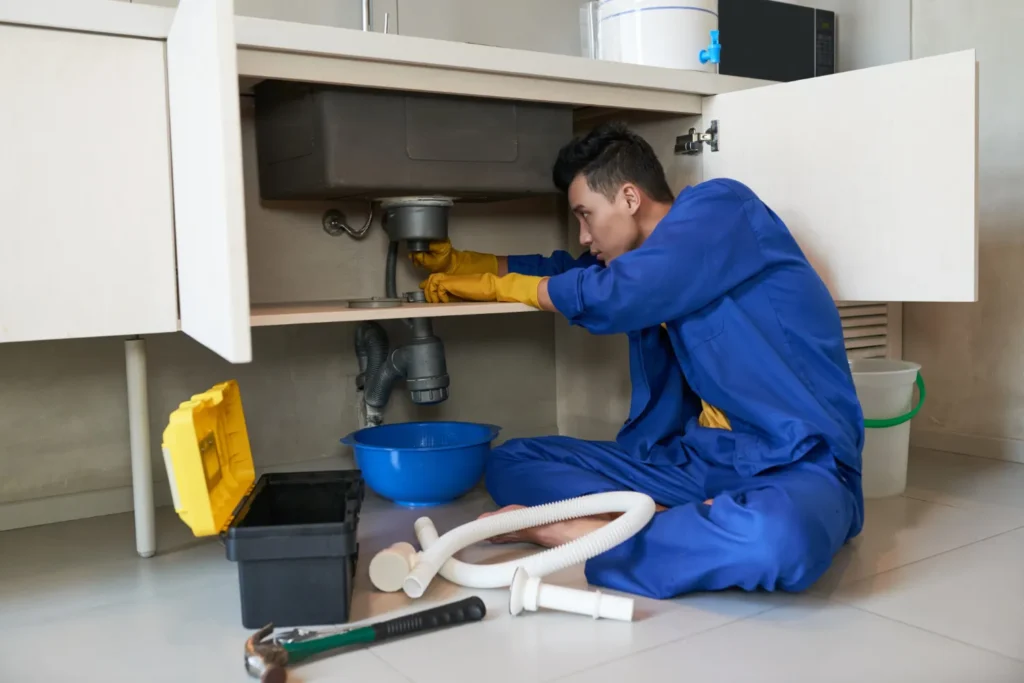
The primary advantage of round-the-clock plumbing assistance is the ability to respond when a problem cannot safely wait. Emergency plumbers are prepared to assess urgent leaks, blockages, damaged fixtures, and other failures that could threaten a property. Their first priority is generally to identify the immediate source of the problem and prevent additional water from entering the affected area. Once the situation is stabilized, the technician can determine whether a repair, replacement, or further diagnostic work is required. This approach helps homeowners move from an uncontrolled emergency toward a manageable repair plan.
Professional emergency plumbers can also help distinguish between temporary stabilization and permanent repairs. In some circumstances, the immediate solution may be to isolate a damaged section of plumbing so that the rest of the home’s system can continue operating. More extensive repairs may then be scheduled after the emergency has been contained. A reputable professional should explain the condition of the plumbing and outline the available options rather than pressuring the homeowner into unnecessary work. Clear communication is particularly valuable during stressful situations when homeowners may have limited time to make decisions.
How Water Heaters Can Cause Serious Damage
Water heaters are another important source of potential household water damage. A leaking tank, failed connection, defective valve, or damaged supply line can allow water to accumulate around the appliance. Because water heaters can hold a substantial volume of water, a significant failure may release enough water to affect floors, walls, and nearby belongings. Professional Water Heater Services can evaluate the equipment and identify whether the issue involves a repairable component or a more serious system failure. Prompt attention can help reduce water loss while also addressing potential safety concerns associated with the heating system.
Homeowners should not ignore warning signs such as persistent leaks, unusual noises, inconsistent hot water, rust-colored water, or repeated temperature problems. These symptoms do not necessarily mean the entire water heater must be replaced, but they can indicate that professional evaluation is appropriate. Depending on the equipment and the nature of the problem, a technician may recommend repairing a component, replacing a valve or connection, or installing a new unit. The safest option depends on the condition of the system and applicable installation requirements. Professional assessment helps ensure that the chosen solution addresses the underlying problem rather than merely masking its symptoms.
What Homeowners Should Do Before Help Arrives
When a serious plumbing failure occurs, homeowners can often reduce damage by taking a few safe preliminary steps. If the leak can be controlled without entering an unsafe area, shutting off the appropriate water valve may significantly reduce the amount of water entering the home. Homeowners should avoid touching electrical equipment or switches when standing water is present and should leave hazardous situations to qualified professionals. Valuables and movable furniture can be relocated from dry areas if doing so is safe. Taking photographs of the damage can also provide useful documentation for property records or insurance discussions.
Providing accurate information to the plumber can make the emergency response more efficient. Tell the service provider where the water is coming from, when the problem began, whether the flow is increasing, and whether the main water supply has been shut off. Mention any previous repairs or unusual symptoms that appeared before the failure. If the problem involves a water heater, information about its age, recent performance, and visible leakage can also be useful. Clear details allow the technician to arrive better prepared and may help determine what equipment or replacement components could be required.
Protecting Your Home After a Plumbing Emergency
Stopping the leak is only the first step in recovering from significant water damage. Water that has entered flooring, drywall, insulation, cabinets, or other porous materials may require professional drying and evaluation. Homeowners should monitor affected areas for lingering moisture, unusual odors, staining, or changes in building materials. Depending on the severity of the incident, additional water mitigation or restoration services may be appropriate. Addressing moisture promptly can help reduce the likelihood of longer-term damage and unnecessary repair expenses.
It is also worthwhile to investigate why the plumbing failure occurred rather than simply replacing the damaged component. Corrosion, excessive water pressure, aging materials, poor connections, freezing conditions, and inadequate maintenance can all contribute to plumbing failures. Understanding the underlying cause can help homeowners make informed decisions about preventive repairs or upgrades. A qualified plumber can inspect related components and identify vulnerabilities that may otherwise remain unnoticed. This proactive approach can reduce the chance of experiencing another emergency caused by the same underlying issue.
Preventive Maintenance Can Reduce Emergency Risks
Although no homeowner can prevent every plumbing emergency, routine maintenance can identify many problems before they become severe. Inspect exposed pipes, faucets, toilets, supply hoses, shutoff valves, and water heater connections periodically for signs of moisture, corrosion, or deterioration. Slow drains and recurring clogs should also be investigated instead of repeatedly treating them with temporary solutions. Replacing aging hoses and worn components can be considerably easier and less disruptive than dealing with a sudden failure. Regular professional inspections may be especially useful for older properties with aging plumbing infrastructure.
Homeowners should also know where the main water shutoff valve is located and make sure household members understand its purpose. A clearly accessible shutoff can be extremely valuable when a major pipe or fixture begins leaking unexpectedly. Keeping emergency plumbing contact information available can also save important time during nights, weekends, or holidays. Preventive maintenance, proper preparation, and timely professional attention work together to reduce the consequences of unexpected plumbing failures. The goal is not simply to repair emergencies but to make the home more resilient against future problems.
Choosing a Reliable Emergency Plumbing Professional
When selecting Emergency Plumbing Services, homeowners should consider more than how quickly a company can arrive. Look for professionals who demonstrate appropriate licensing, insurance, experience, and clear communication according to local requirements. A reputable plumber should explain the problem, describe the recommended repair, and communicate applicable service or emergency charges before substantial work proceeds whenever practical. Customer reviews and recommendations can provide additional insight into reliability and workmanship. However, homeowners should consider reviews alongside professional credentials, service policies, and the company’s willingness to answer questions clearly.
A dependable plumbing provider should also understand that emergency work requires both speed and accuracy. Quickly stopping a leak is important, but an incomplete repair can create another failure later. Experienced technicians should inspect the affected system carefully and explain whether the repair is intended as a temporary measure or a long-term solution. Homeowners should feel comfortable asking about parts, warranties, expected repair life, and maintenance recommendations. Selecting a qualified professional before an emergency occurs can make the decision much easier when a serious plumbing problem happens unexpectedly.
Conclusion
Water damage can escalate quickly, but homeowners can reduce the potential consequences by responding promptly to serious plumbing failures. Emergency Plumbing Services provide valuable support when burst pipes, major leaks, sewer backups, and other urgent problems occur outside normal working hours. Water heaters also deserve immediate attention when they leak or show signs of significant failure because they can release large quantities of water into a home. Safe shutoff procedures, professional diagnosis, and appropriate restoration can help protect the property from further damage. By combining emergency preparedness with regular maintenance and dependable Water Heater Services, homeowners can take practical steps toward keeping their plumbing systems safer and more reliable.