Hybrid work has changed more than where employees spend their week. It is also changing how offices need to be cleaned. With fewer people in the building every day, but heavier use of shared desks, meeting rooms, kitchens, and collaboration spaces, traditional cleaning schedules may no longer fit the way workplaces actually operate.
Companies are now paying closer attention to high-touch areas, flexible schedules, indoor cleanliness, and how quickly spaces can be reset between different teams. So, what do effective office cleaning expectations look like in a hybrid workplace? Read this article to find out new expectations shaping offices across the United States.
Key Takeaways
- Hybrid offices need cleaning schedules based on actual usage, not simply the calendar.
- Shared desks, conference rooms, kitchens, and high-touch surfaces require greater attention.
- Cleaning quality increasingly affects employee confidence and workplace experience.
- Flexible janitorial services can help businesses control costs without sacrificing cleanliness.
- Cleaning should focus on evidence-based practices rather than unnecessary disinfection.
How Office Cleaning Expectations Are Changing in US Workplaces
-
Cleaning Schedules Are Becoming More Flexible
A five-day office does not necessarily have five equally busy days anymore. Mondays may be quiet while Tuesdays and Wednesdays bring most employees into the building.
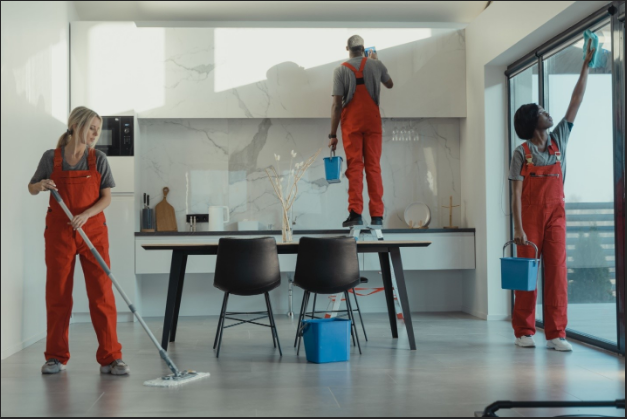
Business owners are therefore looking beyond fixed cleaning schedules. A professional janitorial team can adjust staffing and cleaning intensity according to occupancy patterns while meeting office cleaning expectations. High-traffic days may require additional attention to restrooms, break rooms, entrances, and shared work areas, while lower-occupancy days may allow for deeper cleaning tasks.
This approach can help companies spend cleaning budgets where they deliver the greatest practical benefit.
2. Shared Workspaces Need More Attention
Hybrid workplaces often rely on hot desks, shared conference rooms, collaborative tables, and touchdown areas. Employees may use the same desk or meeting space on different days, making visible cleanliness particularly important.
Desks, door handles, light switches, elevator buttons, touchscreens, counters, and other frequently touched surfaces should be incorporated into a consistent cleaning plan. The CDC specifically recommends regularly cleaning high-touch surfaces in community facilities such as offices.
3. Employees Expect a Cleaner Workplace
Employees returning to an office after working from home may have different office cleaning expectations about cleanliness. They are more likely to notice overflowing trash, dusty workstations, dirty shared equipment, unpleasant restroom conditions, or fingerprints on common surfaces.
For business owners, cleanliness has therefore become part of the overall employee experience. A visibly maintained workplace can communicate that management takes the facility and the people using it seriously.
4. Restrooms and Break Rooms Are Under Greater Scrutiny
Shared amenities can quickly reveal whether an office is being properly maintained. Restrooms, kitchens, coffee stations, refrigerators, sinks, and dining areas experience concentrated use during busy office days.
These spaces need more than occasional surface wiping. Professional bathroom cleaning should address floors, fixtures, touchpoints, waste containers, counters, sinks, and odor sources while following appropriate product and surface instructions.
5. Cleaning Is Becoming More Data-Driven
Instead of assuming every room needs the same level of service, businesses are increasingly able to evaluate how their space is actually being used.
Occupancy patterns, employee schedules, meeting-room usage, and traffic levels can help determine where cleaning resources should be concentrated. A janitorial services company can use this information to build a practical cleaning plan to meet office cleaning expectations rather than applying the same routine throughout an entire building.
6. Disinfection Is Becoming More Targeted
One important change is the distinction between cleaning and disinfecting. The CDC explains that routine cleaning is generally sufficient in many situations, while disinfection becomes more appropriate when someone has been ill or when specific circumstances create a higher need.
This means business owners do not necessarily need aggressive disinfection everywhere every day. The better approach is to identify high-touch or higher-risk areas and use appropriate procedures when circumstances require them.
7. Indoor Environmental Quality Matters More
A cleaner office should support more than appearances. Dust buildup, dirty carpets, neglected upholstery, overflowing waste, and heavy use of strongly scented cleaning products can all affect how employees experience the workplace.
Businesses are also becoming more selective about the products used during routine cleaning. The EPA’s Safer Choice program identifies products that meet its standards for safer chemical ingredients and considers product performance. Choosing appropriate cleaning products can support effective maintenance without relying unnecessarily on harsh chemicals.
Wrap Up
Office cleaning expectations are changing because offices themselves are changing. Hybrid schedules, shared workspaces, fluctuating occupancy, employee expectations, and greater awareness of cleaning practices all require a more thoughtful approach.
For business owners, the solution is not necessarily a larger cleaning budget. It is a smarter cleaning strategy. Working with an experienced janitorial services company can help align cleaning frequency, detailed maintenance, high-touch care, and deep-cleaning services with the way your workplace operates today.
FAQs
How often should a hybrid office be professionally cleaned?
There is no universal schedule. Cleaning frequency should reflect employee attendance, traffic levels, shared-space usage, facility size, and business requirements.
Should hybrid offices be disinfected every day?
Not necessarily. The CDC recommends routine cleaning for most situations and targeted disinfection when appropriate, such as after illness or in circumstances involving higher risk.
What areas need the most attention in a hybrid office?
Restrooms, break rooms, shared desks, conference rooms, entrances, elevators, kitchens, and frequently touched surfaces typically deserve particular attention.
Can janitorial services reduce costs for hybrid businesses?
Yes. Flexible scheduling can concentrate office cleaning resources on busy days and high-use areas rather than applying identical service levels throughout the week.
Why should businesses hire professional janitorial services?
Professional janitorial teams can provide consistent procedures, trained staff, appropriate equipment, scheduled deep cleaning, and flexible service plans that adapt as workplace needs change.
Is move-in cleaning important for a new office?
Yes. Move-in cleaning prepares a new office by removing dust, debris, and residue before employees return, creating a clean and welcoming workplace.
Can moving-out cleaning help businesses?
Yes. Move-out cleaning can help businesses prepare a former office space for a final walkthrough, lease handover, or new occupant. Services may include detailed restroom and kitchen cleaning, floor care, dust removal, surface cleaning, and removal of accumulated workplace debris.