Updating your bedding is one of those small changes that ends up affecting your daily life more than you’d expect. The right quilt changes how your room feels, how well you sleep, and even how much time you spend adjusting covers in the middle of the night. If you’re weighing your options, a cotton quilt deserves a serious look before you commit to anything synthetic.
This guide walks through what makes cotton quilts different, why so many people switch to them, and what to check before you buy.
What Exactly Is a Cotton Quilt?
A cotton quilt is bedding made using cotton as the primary fibre either in the outer fabric, the inner fill, or both. Unlike synthetic quilts made from polyester or microfibre, cotton is a natural fibre grown from the cotton plant, spun into yarn, and woven into fabric.
Because it’s a natural material, cotton behaves differently on your bed. It breathes, it softens with wash after wash, and it doesn’t trap heat or moisture the way many man-made fabrics do. That single difference is behind most of the reasons people prefer cotton over synthetic alternatives.
Why Cotton Quilts Feel Different From Synthetic Ones
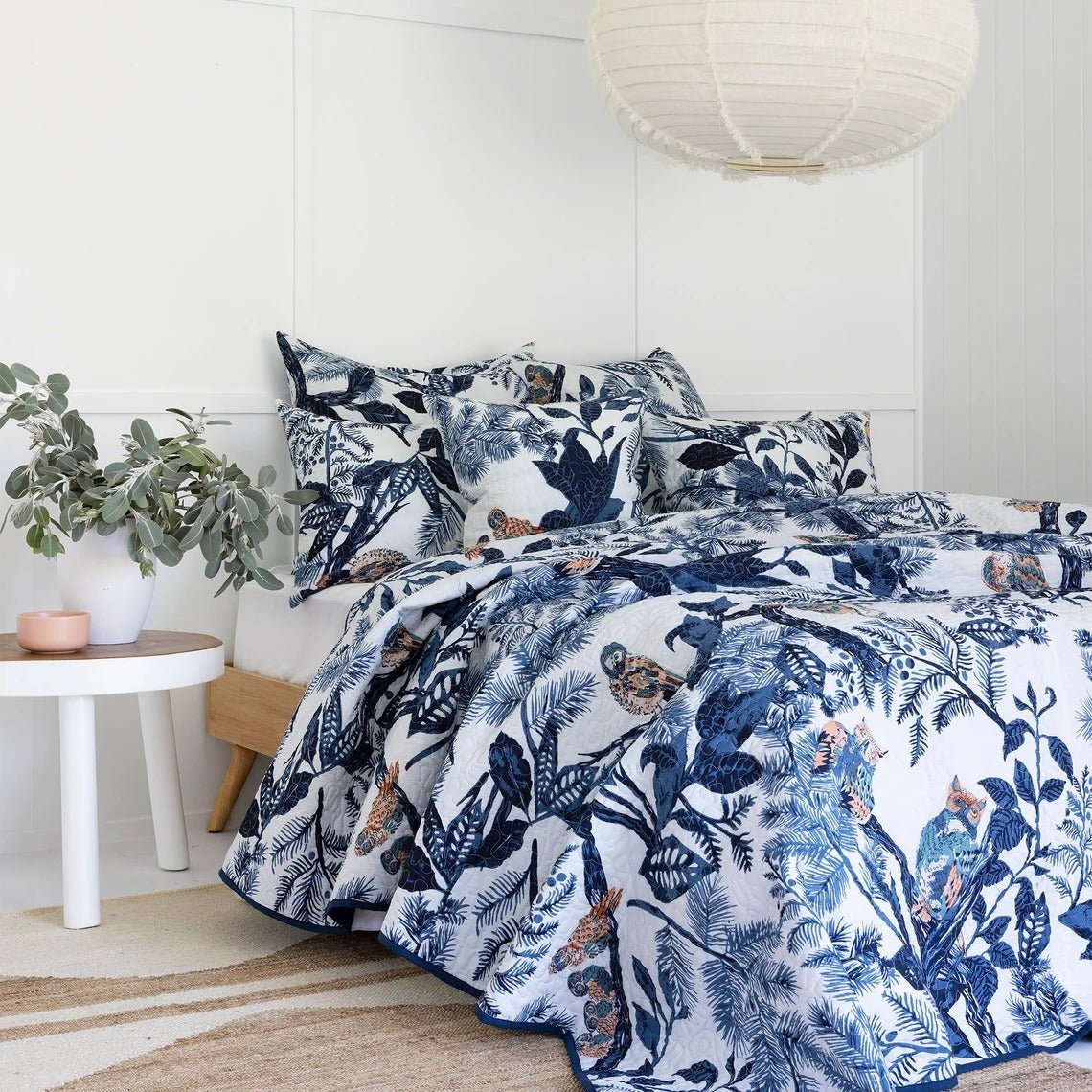
The biggest difference comes down to airflow. Cotton fibres have a natural structure that allows air to pass through the fabric. This means heat doesn’t build up under the quilt the way it can with tightly woven synthetic materials.
There are a few practical results of this:
- Better temperature regulation. Cotton quilts help keep you cool in warmer months and still provide enough warmth in cooler weather, making them a genuinely year-round option in most climates.
- Reduced moisture buildup. Cotton absorbs and releases moisture more efficiently than synthetics, which helps reduce that clammy feeling some people get from polyester bedding.
- Softer feel over time. Cotton fabric tends to soften with each wash, whereas synthetic fibres often stay the same or become rougher.
If you’ve ever woken up overheated under a synthetic quilt, this is usually why, and it’s the main reason people start looking at cotton quilts as a replacement.
Comfort and Skin-Friendliness
Cotton is one of the more skin-friendly fabrics available for bedding. It’s a natural fibre, which means it typically contains fewer chemical additives than synthetic materials, and it doesn’t tend to cause the static or clinginess associated with polyester blends.
This matters more than people realise, especially for anyone with sensitive skin, allergies, or conditions like eczema. A cotton quilt is less likely to irritate skin overnight, and because cotton is breathable, it also reduces the sweating that can aggravate certain skin conditions.
Durability: Why Cotton Quilts Last
Quality cotton bedding is known for holding up well over years of regular use. Cotton fibres are naturally strong, and this strength doesn’t disappear after repeated washing in fact, cotton fabric often becomes softer without losing structural integrity.
A few things influence how long a cotton quilt lasts:
- Thread count and weave quality a tighter, well-constructed weave resists pilling and thinning.
- Fill type quilts filled with cotton or cotton blends tend to keep their loft better than cheap synthetic fills, which can flatten and clump over time.
- Care routine following wash instructions (usually a gentle, cool cycle) extends the life of any quilt, cotton included.
Buying a well-made cotton quilt is generally a longer-term investment compared to budget synthetic options that need replacing every year or two.
Cotton Quilts and Easy Maintenance
One thing that surprises people new to cotton bedding is how manageable it is to look after. Cotton is machine-washable in most cases, and it doesn’t require the special detergents or delicate handling that some synthetic or wool-blend quilts do.
Because cotton is naturally breathable, it also resists trapping odours and dust in the way heavier, less breathable materials can. Combined with a removable cotton quilt cover, keeping your bedding fresh becomes a simple, low-effort routine rather than a chore.
The Role of Cotton Quilt Covers
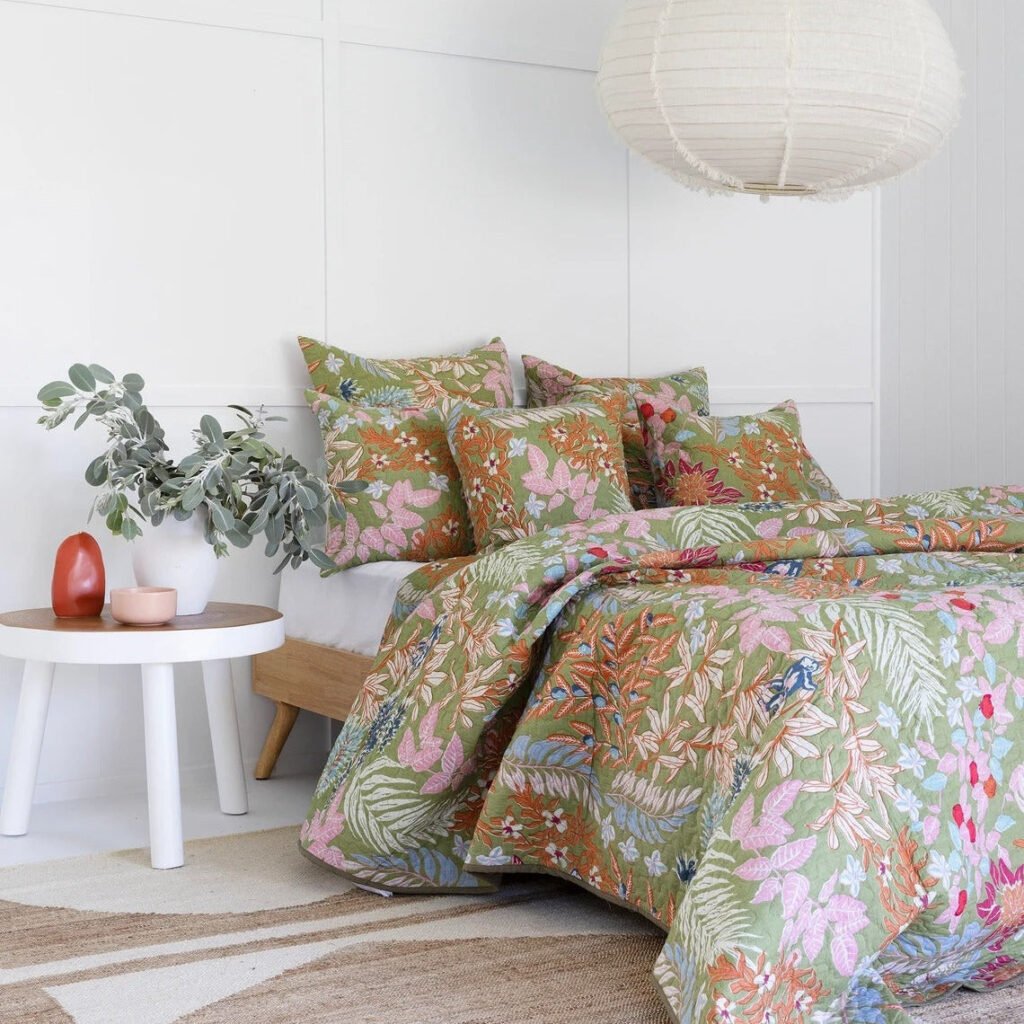
A quilt is only half the equation what you put over it matters just as much. Cotton quilt covers protect your quilt from body oils, sweat, and everyday wear, which means you wash the cover regularly instead of the quilt itself.
Pairing a cotton quilt with cotton quilt covers keeps the entire bedding system breathable and consistent. Mixing a natural-fibre quilt with a synthetic cover can undo some of the temperature-regulating benefits, so it’s worth choosing covers made from the same natural material if comfort and breathability are the priority.
Cotton quilt covers also tend to be easier to wash and dry quickly, which is useful if you like changing your bedding often or need a quick turnaround between guests.
Is a Cotton Quilt Right for Every Season?
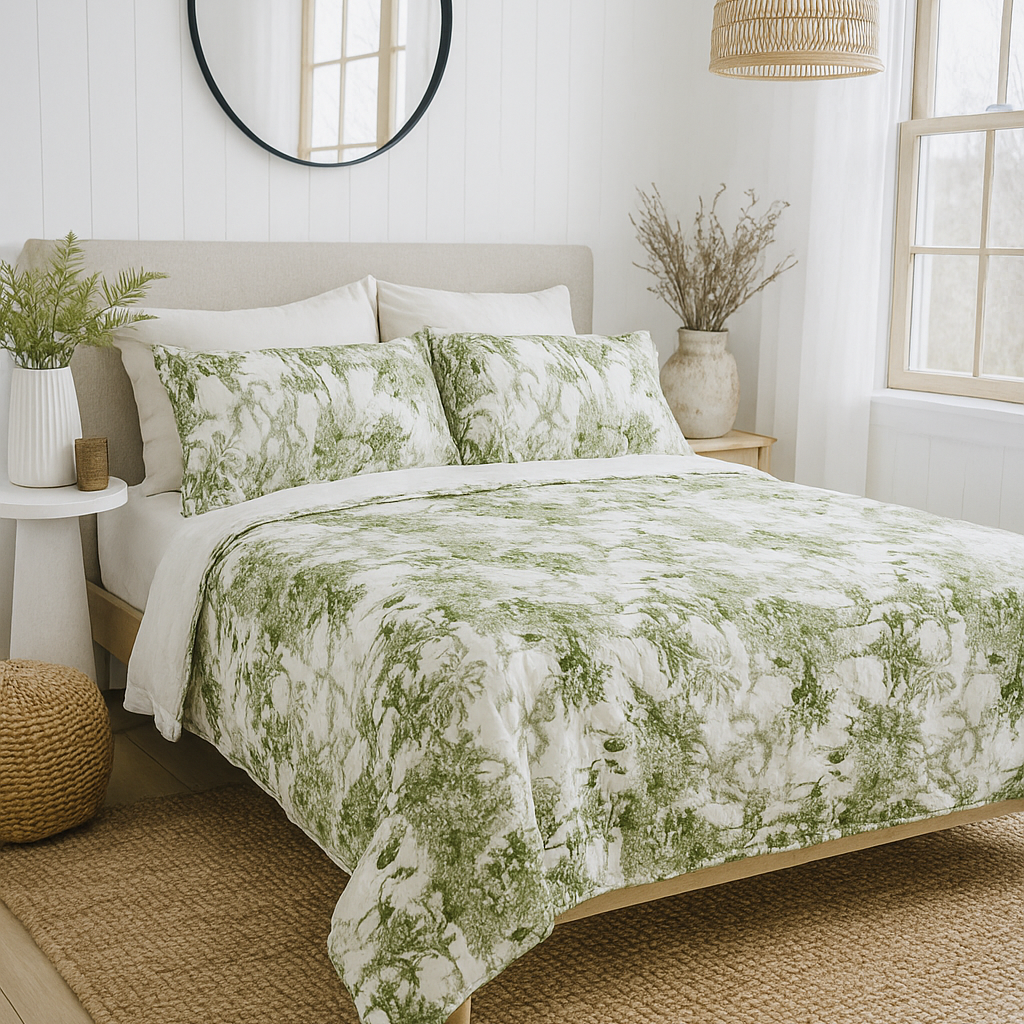
This is one of the more common questions, and the honest answer is: mostly, yes. Cotton’s breathability makes it a strong choice in warmer weather, since it won’t trap heat the way thicker synthetic quilts can.
For cooler months, the warmth of a cotton quilt depends on its weight and fill. A lightweight cotton quilt works well as a layer under a heavier blanket in winter, while a higher-weight cotton quilt can offer standalone warmth without becoming stuffy. Many people keep a cotton quilt as their year-round base layer and adjust extra blankets seasonally.
What to Check Before Buying a Cotton Quilt
Not all cotton quilts are made the same way, so it helps to know what separates a good one from an average one.
- Fibre content – look for 100% cotton or a high cotton percentage rather than a small cotton blend, since a low percentage won’t deliver the same breathability.
- Fill weight – lighter fills suit warmer climates or summer use, while heavier fills suit cooler regions or winter use.
- Stitching and construction – even, secure stitching prevents the fill from shifting or bunching after washing.
- Certifications – labels indicating the cotton is ethically or sustainably sourced can be a useful quality signal.
- Matching covers – checking that cotton quilt covers are available in your size makes it easier to maintain the set long-term.
Taking a few minutes to check these details before purchasing saves you from replacing a poor-quality quilt within the first year.
Sustainability: A Quiet but Real Benefit
Cotton is a renewable, biodegradable fibre, which puts it ahead of synthetic materials on environmental grounds. Polyester and microfibre quilts are derived from petroleum-based plastics and can take decades to break down. Cotton, by contrast, breaks down naturally over time and comes from a renewable crop.
If sustainability plays any role in your buying decisions, choosing a cotton quilt – ideally one made with responsibly farmed cotton – is a straightforward way to reduce the environmental footprint of your bedding.
Final Thoughts: Is It Worth Switching?
If your current bedding is leaving you too warm, too sweaty, or simply worn out faster than expected, a cotton quilt addresses most of those issues at the source. It breathes better, feels softer against skin, lasts longer with proper care, and pairs naturally with cotton quilt covers for a bedding system that’s easy to maintain. Boho Eclectica offers thoughtfully designed bedding options that combine comfort, quality, and style for a better sleep experience. Updating your bedding doesn’t need to be complicated. Starting with a well-made cotton quilt – and covering it with a matching cotton quilt cover – can create a fresh, comfortable, and practical setup for everyday use.
Explore the full range here: Cotton Quilts Collection