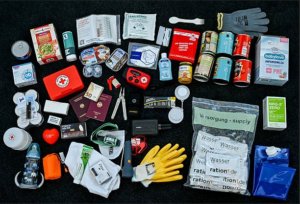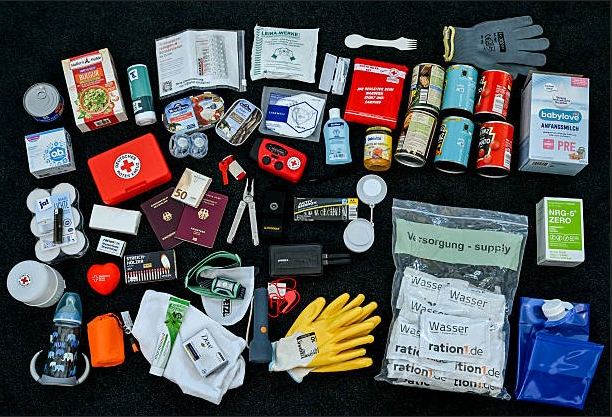
A highway closure leaves you miles from the next town, the temperature begins dropping, and your phone shows one shaky bar. What would you be glad you packed?
Across the United States, drivers, hikers, campers, commuters, and homeowners build emergency kits for problems that happen away from home. They are not filling bags with every survival gadget they can find. Instead, they choose compact gear for darkness, sudden cold, minor injuries, drained batteries, and simple repairs.
But what exactly is in their emergency kits? Read on to find out!
Key Takeaways
- Portable Gear Works Harder: Compact items move easily between your car, backpack, campsite, and daily carry.
- Backups Protect Your Options: Separate tools for lighting, warmth, communication, and first aid reduce reliance on one device.
- Familiar Gear Builds Confidence: Test, charge, open, and inspect supplies before you actually need them.
6 Useful Things Americans Keep in Portable Emergency Kits
-
Rechargeable Pocket Flashlights
Darkness can make a routine roadside delay much harder to handle. You may need to inspect a tire, locate dropped keys, read a trail marker, or make yourself visible near traffic. Although your phone includes a flashlight, using it continuously can drain the battery you may still need for navigation and emergency calls.
A GOPEAK pocket mini flashlight can stay near your keys or inside an EDC pocket pouch, where it is easier to reach than a light buried beneath clothing. Charge it before longer trips and test its settings at home. A dedicated light also lets you conserve your phone while walking, working, or signaling after sunset.
-
Heat-Reflective Blankets and Sleeping Bags
Cold exposure is not limited to winter camping. Wet clothing, strong wind, a stalled vehicle, or a longer-than-planned trail stop can make moderate temperatures feel downright miserable. A lightweight foil blanket or a compact emergency sleeping bag can provide temporary warmth without taking up as much space as bulky bedding.
An outdoor emergency survival blanket fits easily inside portable emergency kits used for driving, hiking, and camping. Also, a sleeping bag can offer fuller coverage when you may need to wait outdoors or inside a disabled vehicle. Neither should replace a proper jacket, dry socks, gloves, or dependable shelter. Pack enough for each traveler, protect the material from sharp objects, and open one before your trip to make sure you know how it works.
-
Emergency Food and Water
A vehicle breakdown, trail delay, or unexpected road closure can keep you away from stores and safe drinking water longer than planned. Even a few extra hours without enough food or water can leave you tired, distracted, and less able to think clearly.
Pack sealed water bottles or pouches, along with ready-to-eat foods in your emergency kits that need no cooking or refrigeration. Protein bars, crackers, nut butter packets, and dried fruit travel well and are easy to use on the go. Check expiration dates regularly, avoid foods that melt or spoil quickly, and carry extra for children, pets, hot weather, or remote routes.
-
Radio and Backup Power
Weak signals, GPS use, cold temperatures, and constant alert checking can drain a phone surprisingly fast. Depending on one device for directions, communication, weather updates, and lighting creates a weak spot. A separate radio and power source can keep information available while preserving your phone for essential calls.
The portable 10000mAh charger emergency radio combines charging, radio reception, lighting, and an SOS alarm. Multi-use equipment can rank among the best EDC gear when each feature solves a realistic travel problem. Charge it fully before leaving, test the radio, and confirm that your charging cable fits. Treat the hand-crank and solar functions as backups rather than reasons to begin a trip with a low battery.
-
Accessible First-Aid Supplies
Blisters, scrapes, minor burns, and small cuts may not sound serious, but they can quickly derail a hike, road trip, or day outdoors. Keeping medical supplies together saves you from having to empty clothing, food, and equipment onto the ground whenever someone needs a bandage or an antiseptic wipe.
A portable survival first aid kit provides a convenient base for portable emergency kits. Check the contents before relying on it; replace expired products; and add prescription medications, allergy details, and emergency contacts. Carry only supplies you understand how to use. A recognized first-aid course is far more valuable than packing specialized equipment without knowing when or how to apply it.
-
Compact Repair Multi-Tools
Small problems can become major annoyances when you have no basic tool nearby. Loose screws, stubborn fasteners, tangled cords, and difficult packaging are common enough to justify carrying a single compact repair tool instead of several full-size tools.
The multi-tool pocket knife pliers combine several functions in a portable package that fits in a secure pouch or alongside compatible tactical belt accessories. Learn how each component opens, locks, and folds before carrying it. Follow local laws and store sharp sections safely. A pocket multi-tool is intended for simple, low-risk tasks; it should never replace proper vehicle equipment, heavy-duty repair tools, or professional help.
Conclusion
The most useful emergency kits are not the biggest bags or the ones packed with the most gadgets. They reflect where you travel, the weather you may encounter, and the people who depend on you. Start with separate items for light, warmth, communication, first aid, and simple repairs. Then charge batteries, replace expired supplies, and practice using unfamiliar equipment before leaving.
A compact setup, you understand, is more valuable than an overloaded bag you have never opened. When a normal trip takes an unexpected turn, practical preparation helps you stay calm and make better decisions.
FAQs
What should a portable emergency kit include?
Pack lighting, backup power, first-aid supplies, weather protection, communication essentials, and tools suited to your route or activity.
Where should travel EDC survival tools be stored?
Keep EDC survival tools within easy reach in your vehicle or backpack, not under heavy luggage. Remove temperature-sensitive items during extreme weather.
How often should emergency supplies be checked?
Inspect your supplies before major trips and every six months. Recharge batteries, replace expired items, and update medical information.