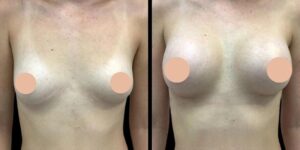
Gynecomastia in Dubai is a commonly searched treatment option for men who experience enlarged or prominent breast tissue. The condition can affect one or both breasts and may occur because of hormonal changes, weight fluctuations, certain medications, or other underlying factors. While gynecomastia is generally not dangerous, it can affect confidence, body image, clothing choices, and quality of life.
Modern treatment options can help reduce excess breast tissue and create a flatter, more masculine chest contour. Depending on the cause and severity, treatment may involve lifestyle changes, medical evaluation, liposuction, surgical removal of glandular tissue, or a combination of techniques.
What Is Gynecomastia?
Gynecomastia is the enlargement of male breast tissue. It occurs when there is an imbalance between estrogen, which stimulates breast tissue, and testosterone, which generally has the opposite effect.
Gynecomastia is different from simply having excess fat around the chest. Fat accumulation is sometimes called pseudogynecomastia and is commonly associated with weight gain. True gynecomastia involves enlargement of glandular breast tissue.
Some men have both excess fat and glandular tissue. In these cases, treatment may require a combination of liposuction and surgical removal of the enlarged gland.
What Causes Gynecomastia?
Gynecomastia can develop at different stages of life. Hormonal changes during puberty are one of the most common causes, and in many younger individuals, the condition may improve naturally over time.
In adults, possible causes include:
- Hormonal changes
- Weight gain
- Aging
- Certain prescription medications
- Some medical conditions
- Liver or kidney problems
- Thyroid-related conditions
- Use of anabolic steroids
- Certain recreational substances
Sometimes no specific cause can be identified. A medical consultation can help determine whether further evaluation is appropriate.
Gynecomastia vs. Chest Fat
One of the most important steps is distinguishing gynecomastia from excess chest fat.
If the chest enlargement is primarily caused by fat, weight loss may reduce its appearance. However, if enlarged glandular tissue is present, losing weight may not completely flatten the chest.
A qualified doctor or plastic surgeon can examine the chest and determine whether the enlargement appears to be primarily glandular tissue, fat, or a combination of both.
This distinction is important because the treatment approach can be different.
Who May Consider Gynecomastia Treatment?
Treatment may be considered by men who have persistent breast enlargement and are physically healthy enough to undergo surgery.
Common reasons men seek treatment include:
- A prominent or enlarged chest
- Difficulty wearing fitted clothing
- Lack of confidence when removing a shirt
- Persistent breast enlargement despite weight loss
- Uneven chest appearance
- Discomfort or tenderness
- Desire for a more defined chest contour
Treatment should be based on individual needs rather than a particular chest size or appearance.
Gynecomastia Treatment in Dubai
Treatment depends on the underlying cause and the amount of glandular tissue and fat present.
For some men, addressing an underlying medical or medication-related cause may be appropriate. If the enlargement is related mainly to excess body fat, weight management may be recommended.
When persistent glandular enlargement remains, surgery may be considered.
Gynecomastia surgery is commonly performed using liposuction, excision, or a combination of both.
Gynecomastia Surgery
Gynecomastia surgery is designed to reduce excess breast tissue and improve the overall shape of the male chest.
The surgical plan depends on the patient’s anatomy and the severity of the condition.
Liposuction
Liposuction may be suitable when excess fatty tissue is a significant contributor to chest enlargement. During the procedure, small incisions are made and a thin cannula is used to remove unwanted fat.
Liposuction can help improve chest contour while minimizing visible scarring.
However, liposuction alone may not remove firm glandular breast tissue.
Glandular Tissue Removal
When firm glandular tissue is responsible for breast enlargement, surgical excision may be necessary.
The surgeon removes the unwanted tissue through an appropriately placed incision. The location and size of the incision depend on the amount of tissue that needs to be removed and the condition of the skin.
Combined Treatment
Many patients have both glandular tissue and excess fat. In such cases, combining liposuction with glandular tissue removal may provide a more balanced chest contour.
The appropriate technique is determined during consultation.
What Happens During Gynecomastia Surgery?
Before surgery, the surgeon evaluates the chest, discusses the patient’s goals, reviews medical history, and determines the appropriate treatment approach.
The procedure is generally performed under anesthesia in a suitable surgical facility.
Depending on the treatment plan, the surgeon may use liposuction to remove excess fat and excision to remove glandular tissue. The remaining tissues are then shaped to create a flatter and more proportionate chest.
Incisions are closed carefully, and a compression garment may be recommended after surgery.
The exact procedure varies according to the patient’s chest anatomy, skin quality, amount of tissue, and desired outcome.
Recovery After Gynecomastia Surgery
Recovery varies from one patient to another. Swelling, bruising, tightness, and temporary discomfort are common during the early recovery period.
A compression garment may be recommended to support the healing tissues and help reduce swelling. Patients should follow their surgeon’s instructions regarding bathing, exercise, medication, and wound care.
Light activities may often be resumed relatively soon, but strenuous exercise and heavy lifting generally need to be avoided until the surgeon confirms that healing is progressing appropriately.
The chest may initially appear swollen or uneven. As swelling decreases, the contour gradually becomes more defined.
When Can You See the Results?
Some improvement may be noticeable shortly after surgery, but the final appearance develops gradually.
Swelling can remain for several weeks, and the tissues may take additional time to settle. The final result depends on factors such as the surgical technique, amount of tissue removed, skin elasticity, healing response, and postoperative care.
Following the surgeon’s instructions can support a smoother recovery.
Is Gynecomastia Surgery Safe?
Gynecomastia surgery is a surgical procedure and, like other operations, carries potential risks.
Possible complications can include bleeding, infection, scarring, changes in sensation, asymmetry, contour irregularities, fluid accumulation, and the possibility of needing revision surgery.
Temporary numbness or altered sensitivity around the treated area can also occur.
Choosing a properly qualified plastic surgeon and an appropriately equipped surgical facility is important for reducing avoidable risks. Patients should discuss their medical history and all potential complications during the consultation.
Gynecomastia Surgery and Scarring
Scarring depends largely on the surgical technique and the amount of tissue that needs to be removed.
Liposuction generally requires small incisions, while glandular tissue removal may require a larger incision depending on the patient’s condition.
Surgeons typically place incisions in locations designed to make scars less noticeable where possible. However, scars are a normal part of healing and can vary considerably between individuals.
Does Exercise Get Rid of Gynecomastia?
Exercise can help reduce overall body fat and strengthen the chest muscles. However, exercise does not directly remove enlarged glandular breast tissue.
Men whose chest enlargement is mainly caused by excess fat may notice improvement through weight loss. Those with persistent glandular tissue may continue to have breast prominence despite becoming leaner.
A professional assessment can help determine the likely cause of the enlargement.
Cost of Gynecomastia Surgery in Dubai
The cost of gynecomastia surgery in Dubai varies depending on several factors.
These can include:
- Severity of gynecomastia
- Amount of tissue and fat requiring treatment
- Liposuction requirements
- Surgical excision
- Surgeon’s experience
- Hospital or clinic fees
- Anesthesia
- Preoperative assessments
- Postoperative follow-up
- Compression garments and medications
Patients should request a detailed quotation and confirm exactly what is included in the treatment package.
Choosing treatment based solely on the lowest price may not be advisable. Surgical qualifications, safety standards, experience, and appropriate follow-up care should be important considerations.
How to Choose a Gynecomastia Surgeon in Dubai
Selecting the right surgeon is an important part of the treatment process.
Look for a qualified plastic surgeon with appropriate experience in male chest surgery. During your consultation, ask about the proposed technique, expected results, potential risks, recovery period, and follow-up arrangements.
You may also want to ask whether your condition appears to involve glandular tissue, fat, or both.
A good consultation should provide realistic expectations rather than promising a perfect or guaranteed outcome.
Preparing for Gynecomastia Surgery
Your surgeon will provide specific preparation instructions based on your health and treatment plan.
You may need a medical assessment before surgery and may be asked to adjust certain medications. If you smoke, your surgeon may recommend stopping because smoking can interfere with healing.
Arrange transportation after surgery and prepare a comfortable recovery environment at home. Wearing loose clothing can also make the early recovery period more comfortable.
Final Thoughts
Gynecomastia in Dubai can be treated effectively in suitable patients when the treatment approach is matched to the underlying cause and individual chest anatomy. Some men may benefit from weight management or addressing an underlying medical issue, while persistent glandular enlargement may require surgical treatment.
Gynecomastia surgery can involve liposuction, glandular tissue removal, or a combination of techniques. Recovery requires patience, and the final chest contour develops gradually as swelling subsides.
If you are considering gynecomastia treatment, a consultation with a qualified plastic surgeon can help determine the cause of your chest enlargement, explain your treatment options, and establish realistic expectations for the procedure and recovery.