Understanding Melasma and Facial Pigmentation
Melasma is a common pigmentation condition that causes brown, greyish-brown, or darker patches to develop on areas of the face, particularly the cheeks, forehead, upper lip, chin, and nose. Rather than appearing as isolated spots, melasma often creates broader, symmetrical areas of uneven pigmentation.
For people searching for Melasma In Manchester, understanding the condition is an important first step toward achieving a more balanced complexion. Melasma can affect different skin tones and may become more noticeable after exposure to sunlight or visible light. Hormonal influences, genetics, and other individual factors can also contribute to its development.
Unlike ordinary pigmentation caused by an isolated blemish, melasma can be persistent and may require a structured approach. Modern treatment therefore focuses not simply on making the skin look lighter, but on reducing excess pigmentation while supporting a more even and naturally refreshed appearance.
SLA Medical Clinic provides pigmentation and melasma-focused aesthetic services in Manchester, offering personalised guidance for individuals looking to improve the appearance of uneven skin tone.
What Causes Melasma?
Melasma develops when melanocytes, the cells responsible for producing melanin, become more active and produce excess pigment. The exact reason this happens can vary between individuals, which is why treatment plans are often personalised.
Sun Exposure and Light
Sun exposure is one of the most important factors associated with melasma. Ultraviolet radiation can stimulate pigment production and make existing patches more noticeable. Visible light can also contribute to pigmentation, particularly in individuals with darker skin tones.
This makes daily photoprotection an essential part of any long-term melasma strategy.
Hormonal Influences
Hormonal changes are commonly associated with melasma. It may appear or become more prominent during pregnancy or alongside certain hormonal medications. These influences can make pigmentation more persistent in some individuals.
Genetic and Individual Factors
Some people are naturally more prone to developing melasma. Skin type, family history, and individual responses to environmental factors can all influence pigmentation.
Skin Irritation
A skincare routine that repeatedly irritates the skin can make pigmentation appear more prominent. For this reason, modern pigmentation management generally places importance on maintaining a gentle and consistent skincare routine.
Why Melasma Requires a Personalised Approach
There is no single treatment that works identically for everyone with melasma. The appearance and depth of pigmentation can differ considerably, and treatment needs may also vary according to skin tone, pigmentation pattern, lifestyle, and previous skincare or aesthetic treatments.
Current expert recommendations support a comprehensive approach combining effective photoprotection with appropriate topical treatments and, when suitable, professional procedures.
A professional assessment can help determine whether pigmentation is superficial, deeper, mixed, or associated with another type of pigmentation. This allows treatment to be selected according to the individual’s skin rather than relying on a one-size-fits-all routine.
Modern Treatment Approaches for Melasma
Advances in aesthetic dermatology have created several options for managing uneven pigmentation. Depending on the individual assessment, treatment may involve topical skincare, professional peels, microneedling, laser or light-based treatments, or a carefully selected combination.
Prescription and Professional Topical Treatments
Topical treatments remain an important part of modern melasma management. Depending on individual circumstances, dermatology professionals may recommend ingredients such as hydroquinone, tretinoin, azelaic acid, kojic acid, or tranexamic acid.
Hydroquinone-based combination treatments have traditionally been among the most established approaches for reducing excess pigmentation, while alternatives such as azelaic acid and kojic acid may be considered for particular patients. Recent international consensus recommendations continue to highlight topical therapies as a central component of melasma treatment.
The objective is to gradually reduce excess pigment while supporting a more uniform complexion.
Chemical Peels for Uneven Skin Tone
Chemical peels can be incorporated into a professional pigmentation treatment plan to encourage the removal of pigmented surface cells and support a smoother-looking complexion.
The type and strength of peel should be selected according to the individual’s skin and pigmentation concerns. Modern approaches favour controlled, personalised treatment rather than unnecessarily aggressive resurfacing.
Chemical peels are recognised as an adjunctive option in contemporary melasma management and may be combined with topical approaches when appropriate.
Microneedling for Skin Rejuvenation
Microneedling is another procedure that may be considered as part of a personalised pigmentation and skin-rejuvenation programme. The treatment uses controlled microscopic channels in the skin to encourage the skin’s natural renewal processes.
For selected patients, microneedling can complement topical treatments and contribute to improvements in overall skin texture and tone. Current expert recommendations identify microneedling as a possible adjunct rather than necessarily a standalone solution for every case of melasma.
Laser and Light-Based Treatments
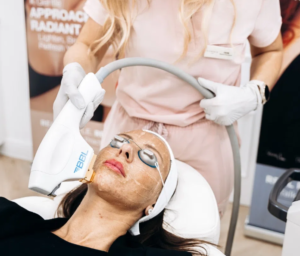
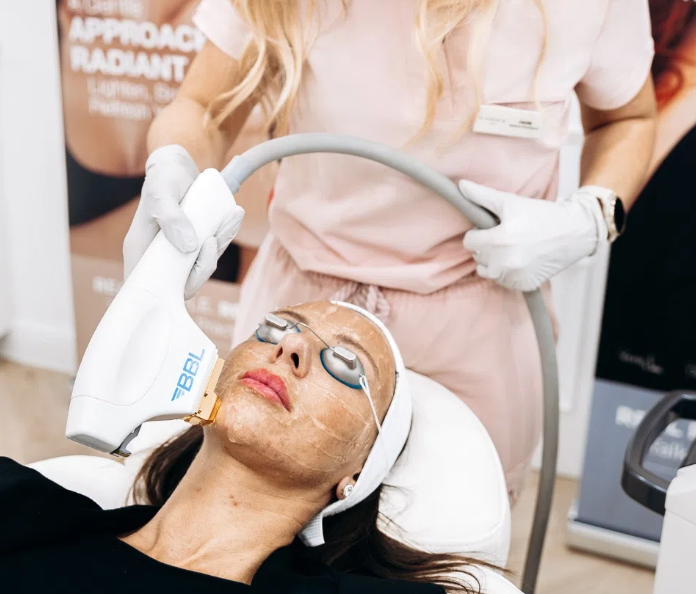
Modern aesthetic clinics may also use advanced laser and light-based technologies as part of pigmentation management. These treatments are designed to target specific pigmentation concerns and can be considered when topical approaches alone do not provide the desired improvement.
Laser-based treatment should be selected carefully for melasma because pigmentation conditions can behave differently from other forms of sun damage. Current consensus recommendations generally position laser and energy-based procedures as options for selected or more persistent cases rather than automatically making them the first treatment choice.
SLA Medical Clinic offers advanced laser treatments alongside pigmentation and melasma services in Manchester, providing patients with access to different aesthetic treatment approaches within one clinic.
The Importance of Sun Protection in Melasma Treatment
Sun protection is one of the most important elements of managing melasma. Even when professional treatments improve pigmentation, continued exposure to UV radiation and visible light can encourage pigment production.
For individuals managing melasma, dermatology guidance commonly recommends a broad-spectrum sunscreen with SPF 30 or higher. Tinted sunscreens containing iron oxides can provide additional protection against visible light and may be particularly useful for people prone to pigmentation.
Creating a Consistent Daily Routine
A practical pigmentation-focused routine may include:
- A gentle cleanser
- A professionally recommended pigmentation treatment
- A moisturiser suited to the individual’s skin
- Broad-spectrum SPF 30 or higher
- Tinted sunscreen containing iron oxides where appropriate
- Consistent reapplication of sunscreen during prolonged outdoor exposure
Consistency is particularly important because melasma management is generally a long-term process rather than a quick cosmetic correction.
Melasma Treatment and Different Skin Tones
Melasma can affect people with a wide range of skin tones, but pigmentation concerns may be especially noticeable in darker skin. Treatment therefore needs to take the individual’s natural pigmentation and response to procedures into account.
A personalised approach can help determine the most suitable combination of topical products and professional treatments while maintaining an emphasis on achieving natural-looking improvement.
Rather than aiming for an artificially lighter appearance, the goal should be a more uniform complexion in which areas of excess pigmentation become less noticeable.
What Makes Modern Melasma Treatment Different?
Earlier approaches to pigmentation often focused primarily on lightening visible dark patches. Modern treatment strategies take a broader view.
Combination Treatment
Research and expert consensus increasingly support combining different approaches when appropriate. Photoprotection may be combined with topical agents, while selected patients may benefit from professional procedures such as chemical peels or microneedling.
This approach allows different aspects of pigmentation to be addressed simultaneously.
Personalised Treatment Planning
A personalised plan considers the individual’s pigmentation pattern, skin characteristics, lifestyle, previous treatments, and desired outcome.
At SLA Medical Clinic, consultations are designed to provide tailored advice based on individual skin concerns, with the Manchester clinic offering pigmentation and melasma services alongside other skin treatments.
Long-Term Maintenance
Melasma can be persistent, which means achieving an improvement is only one part of successful management. Maintaining a suitable skincare routine and consistent photoprotection can help support the appearance achieved through treatment.
Current global consensus recommendations describe melasma as a chronic condition where maintenance therapy and ongoing photoprotection are important components of management.
What to Expect During a Melasma Consultation in Manchester
A professional consultation provides an opportunity to discuss your pigmentation concerns and determine an appropriate treatment strategy.
Skin Assessment
The practitioner can assess the location, pattern, and appearance of pigmentation. This helps establish whether the concern is consistent with melasma or another form of hyperpigmentation.
Discussion of Your Skin Goals
Every individual may have a different reason for seeking treatment. Some people want to reduce noticeable pigmentation, while others are primarily interested in achieving a brighter and more balanced complexion.
Discussing your goals helps create a treatment approach that focuses on natural-looking results.
Treatment Recommendations
Depending on the assessment, recommendations may involve skincare, professional peels, microneedling, laser or light-based treatments, or a combination of approaches.
At SLA Medical Clinic, consultations in Manchester provide an opportunity to discuss individual skin concerns and explore suitable aesthetic treatment options.
How Long Does Melasma Treatment Take to Show Results?
Melasma generally requires patience. Pigmentation does not always disappear immediately after treatment, and improvements usually develop progressively.
The American Academy of Dermatology notes that results from melasma treatment can commonly take several months, with treatment plans often requiring approximately three to twelve months to achieve noticeable improvement.
The timeline can differ depending on the severity of pigmentation, treatment approach, consistency with home skincare, and individual skin response.
Rather than expecting an overnight transformation, patients should focus on gradual improvements in pigmentation uniformity and overall skin appearance.
Supporting Your Results at Home
Professional treatment works best when supported by a consistent home routine.
Use Daily SPF
Make sunscreen a permanent part of your morning skincare routine. Broad-spectrum protection helps reduce the impact of sunlight on pigmentation, while tinted formulations containing iron oxides can provide additional visible-light protection.
Keep Skincare Gentle
Choose skincare products that suit your skin and avoid repeatedly using products that cause significant burning or irritation. Dermatology guidance recommends gentle, fragrance-free skincare for individuals managing melasma.
Follow Your Treatment Plan
Whether your professional plan includes topical products, peels, microneedling, or another approach, consistency is important. Changing products frequently can make it difficult to determine what is helping your skin.
Be Patient With Pigmentation
Melasma tends to improve gradually. Maintaining realistic expectations can make the treatment journey more manageable and help you focus on progressive improvements rather than immediate perfection.
Why Choose a Professional Clinic for Melasma in Manchester?
Melasma is more complex than ordinary surface pigmentation. Professional assessment can help identify the most appropriate treatment strategy and determine whether a combination approach may be beneficial.
For people looking for Melasma in Manchester, SLA Medical Clinic offers pigmentation and melasma treatments from its Manchester location in Worsley. The clinic provides a range of aesthetic and skin treatments, including chemical peels, microneedling, BBL laser and IPL laser services.
The clinic’s Manchester location is at 3 Monton Green, Worsley, M30 9LE, serving clients across Greater Manchester.
Achieving Brighter and More Balanced-Looking Skin
The goal of modern melasma treatment is not simply to remove every trace of pigmentation overnight. Instead, treatment focuses on progressively improving uneven tone and creating a complexion that looks brighter, clearer, and more balanced.
With professional assessment, appropriate treatment, consistent skincare, and effective photoprotection, many people can achieve a noticeable improvement in the appearance of melasma.
For those considering Melasma in Manchester, choosing a clinic that provides personalised pigmentation guidance can be an important step toward developing a treatment plan suited to their individual skin.
Frequently Asked Questions About Melasma
What is melasma?
Melasma is a pigmentation condition that causes darker patches to develop, most commonly on the face. It can affect people of different skin tones and is often influenced by sunlight, hormonal factors, and individual susceptibility.
Can melasma be treated with skincare?
Yes. Topical treatments are an important component of melasma management. Depending on individual needs, professionals may recommend ingredients such as hydroquinone, azelaic acid, kojic acid, tretinoin, or tranexamic acid.
Is sunscreen important for melasma?
Yes. Consistent photoprotection is considered a cornerstone of melasma management. Broad-spectrum SPF 30 or higher is commonly recommended, and tinted sunscreen containing iron oxides may provide additional protection from visible light.
Can chemical peels help with melasma?
Chemical peels can be used as an adjunctive treatment for selected patients. A professional can determine which type of peel is appropriate according to the individual’s skin and pigmentation concerns.
Can microneedling be used for pigmentation?
Microneedling may be incorporated into a personalised treatment programme and can complement topical pigmentation treatments for selected patients.
How long does melasma treatment take?
Melasma usually improves gradually rather than immediately. Depending on the treatment plan and individual response, noticeable improvement may take several months.
Does melasma require ongoing skincare?
Long-term maintenance is an important part of managing melasma. Consistent photoprotection and an appropriate skincare routine can help support a more even-looking complexion over time.
Conclusion
Melasma can make the complexion appear uneven and can be difficult to manage with ordinary skincare alone. However, modern aesthetic and dermatological approaches provide several ways to improve the appearance of excess pigmentation.
From professionally selected topical treatments and chemical peels to microneedling and advanced laser or light-based options, today’s approach focuses on personalised treatment rather than a single solution. Daily photoprotection and long-term maintenance remain equally important.
For individuals searching for Melasma in Manchester, SLA Medical Clinic offers dedicated pigmentation and melasma services in Manchester, together with a range of advanced skin treatments designed around individual aesthetic goals.
With the right professional guidance and a consistent approach, the aim is to achieve skin that looks brighter, more even, and naturally balanced.