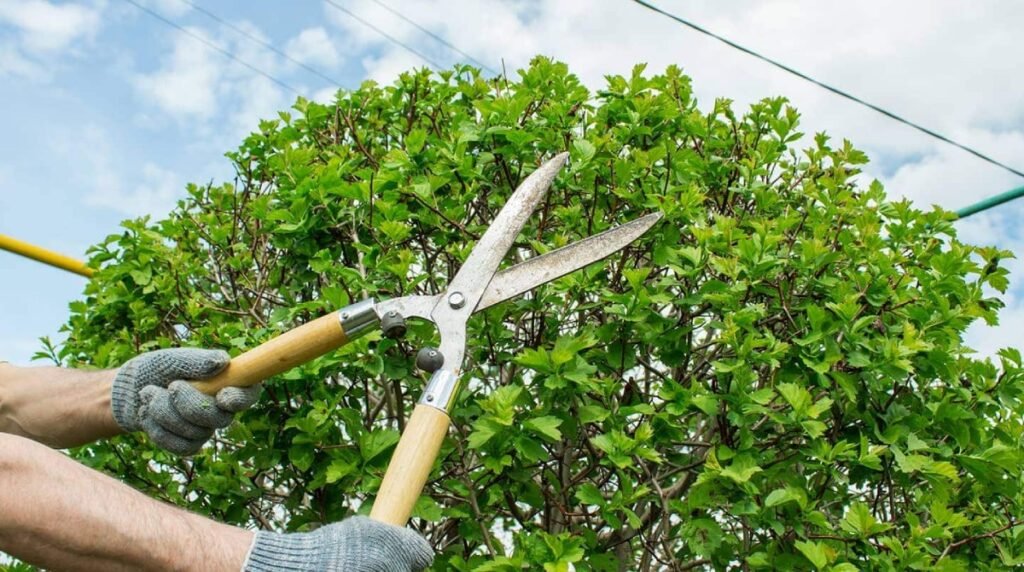
A tree is often one of the most valuable features on your property. It provides shade, boosts curb appeal, supports local wildlife, and can even increase your home’s value. Naturally, most homeowners want to save a tree whenever possible. In many cases, professional trimming can restore a tree’s health and reduce potential hazards.
However, there are situations where trimming is no longer enough.
Knowing the difference between a tree that can be preserved and one that should be removed is critical for protecting your home, your family, and your investment. Delaying the removal of a dangerous tree can lead to costly property damage or serious injuries, while removing a healthy tree unnecessarily means losing years of growth and beauty.
At Monster Tree Service of Springfield and Branson, certified arborists evaluate every tree individually. The goal is never to remove a tree simply because it’s easier. Instead, the focus is on preserving healthy trees whenever possible and recommending removal only when it’s truly the safest option.
Can Tree Trimming Solve the Problem?
Tree trimming is often the first and best solution.
Removing dead limbs, thinning overcrowded branches, eliminating rubbing limbs, and correcting structural issues can dramatically improve a tree’s health. Proper pruning also reduces the risk of storm damage while allowing more sunlight and airflow through the canopy.
Many trees that appear unhealthy simply need professional maintenance. A certified arborist can often identify problems early enough to extend the tree’s lifespan by many years.
Unfortunately, not every tree can be saved.
When Removal Is the Safer Choice
Some trees become too hazardous or too unhealthy for trimming to make a meaningful difference.
The Tree Is Dead
A dead tree should almost always be removed.
Unlike a dormant tree, a dead tree has no ability to recover. Its wood becomes brittle over time, making branches more likely to snap during strong winds or ice storms. Even if the trunk is still standing, internal decay may have weakened the entire structure.
Dead trees are unpredictable, which is why prompt removal is usually the safest decision.
More Than Half of the Tree Is Damaged
Trees have an amazing ability to recover from injury, but there are limits.
If more than 50 percent of the canopy has died, or major sections of the trunk have been severely damaged, recovery becomes unlikely. Large areas of missing bark, widespread decay, or multiple major broken limbs often indicate permanent structural failure.
In these situations, trimming may only delay an inevitable removal.
The Tree Is Leaning More Than It Used To
Not every leaning tree is dangerous.
Some trees naturally grow at an angle for decades without problems. The concern begins when a tree suddenly starts leaning after a storm or when the soil around the base begins lifting.
These changes often indicate root failure.
Because roots provide nearly all of a tree’s stability, a tree with compromised roots can fall with little warning.
Severe Trunk Damage
The trunk supports the entire tree.
Large cavities, deep vertical cracks, extensive decay, or hollow sections can significantly reduce its strength. While some trunk defects can be managed through professional monitoring or cabling, severe structural damage usually cannot be repaired.
If the trunk can no longer safely support the canopy, removal is generally recommended.
Root Problems Cannot Be Fixed Easily
Healthy roots are essential to a healthy tree.
Construction projects, trenching, soil compaction, flooding, and disease can destroy large portions of the root system without obvious signs above ground.
Common warning signs include:
- Mushrooms growing around the base
- Soil lifting near the trunk
- Sudden leaning
- Declining canopy health
- Large exposed or damaged roots
By the time these symptoms appear, the tree may already be unstable.
Disease Has Spread Too Far
Some tree diseases can be successfully treated when caught early.
Others spread rapidly through the trunk, branches, or root system until the tree can no longer recover.
Severe fungal decay, advanced root rot, Dutch elm disease, oak wilt, and certain invasive pests may eventually require removal to protect nearby healthy trees.
An arborist can determine whether treatment is still possible or whether removal is the safest option.
Storm Damage Has Compromised the Structure
Springfield experiences powerful thunderstorms, high winds, and occasional ice storms throughout the year.
While many storm-damaged trees recover with professional pruning, others suffer damage that permanently weakens their structure.
Split trunks, broken scaffold limbs, twisted root systems, and severe canopy loss often make removal the safest long-term solution.
Waiting too long after significant storm damage can increase the risk of complete failure during the next weather event.
The Tree Is Too Close to Structures
Location matters.
A healthy tree growing only a few feet from your home may eventually create problems if its roots threaten the foundation or its large limbs extend directly over the roof.
In some situations, selective pruning can safely manage growth.
In others, especially when the tree has outgrown its available space, removal may be the better long-term solution before serious property damage occurs.
Why Professional Evaluation Matters
One of the biggest mistakes homeowners make is assuming a tree needs to be removed based solely on appearance.
A tree with dead branches may actually be healthy. Meanwhile, a tree with a full canopy could be suffering from dangerous internal decay.
Certified arborists use years of experience, structural assessments, and knowledge of tree biology to determine whether trimming, cabling, treatment, or removal is the best course of action.
That professional evaluation can often save homeowners thousands of dollars while preserving mature trees whenever possible.
Local Tree Care You Can Trust
Trees throughout Southwest Missouri face unique challenges, from severe weather and compacted urban soils to insect infestations and seasonal diseases.
Whether you’re in Springfield, Nixa, Branson, or surrounding communities, working with local arborists ensures your trees receive care based on regional conditions.
The Bottom Line
Tree trimming is an excellent way to maintain healthy trees, improve appearance, and reduce safety risks. In many cases, it can add decades to a tree’s life.
However, when a tree is dead, structurally compromised, severely diseased, or poses a significant hazard to people or property, removal is often the safest and most responsible decision.
If you’re unsure whether a tree should be trimmed or removed, don’t rely on guesswork. A professional arborist can inspect the tree, explain its condition, and recommend the safest solution based on its health, structure, and long-term stability.
Making the right decision today can protect your property, preserve your landscape, and provide peace of mind for years to come.