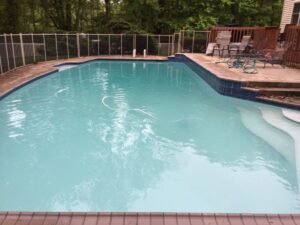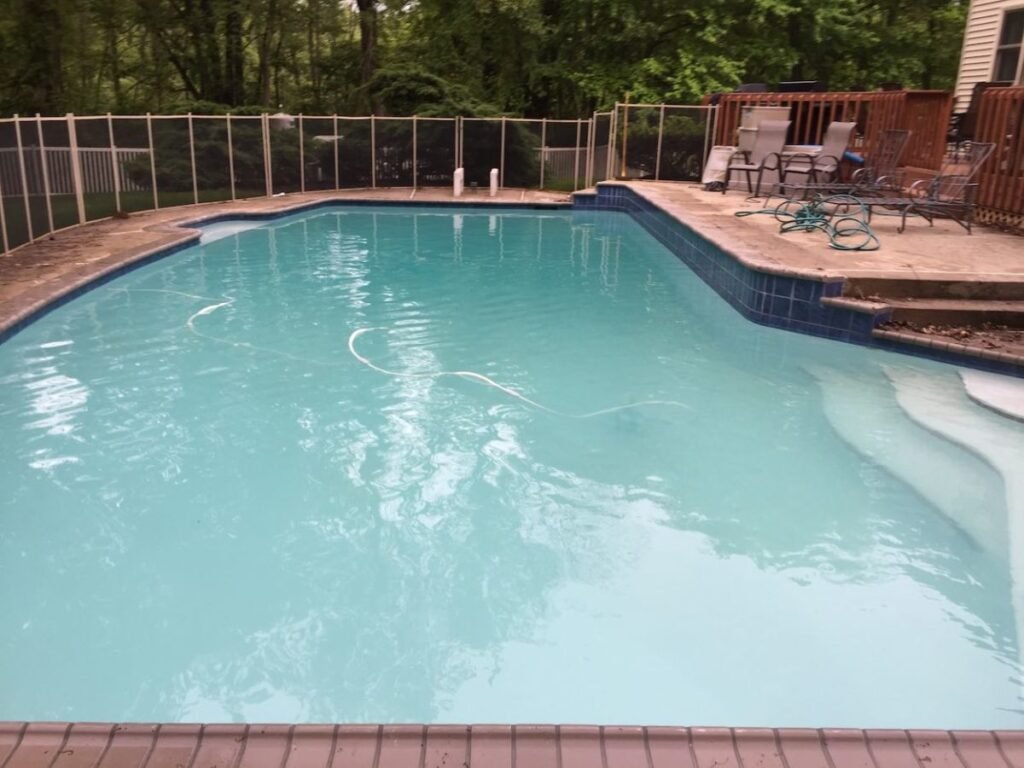
Milky pool water
Pool water can lose its clear appearance for several reasons, and knowing the difference between cloudy and milky water is the first step toward fixing the problem. Cloudy water may simply look dull or hazy, while milky pool water often has a more noticeable white, opaque appearance. Both conditions can be connected to water chemistry, filtration, circulation, or contaminants, but the correct treatment depends on the underlying cause. Adding chemicals without testing the water first can sometimes make the situation worse. A careful diagnosis followed by measured adjustments is the safest way to restore clarity.
Understanding the Difference Between Cloudy and Milky Pool Water
Cloudy pool water generally has a hazy appearance where the bottom may still be visible, although details can look blurred. Milky pool water is usually more opaque and can resemble diluted milk, making it significantly harder to see through the water. Fine particles, high calcium levels, poor filtration, suspended debris, and chemical imbalances can contribute to either condition. The appearance alone cannot identify the exact cause, so visual inspection should be followed by water testing. This simple distinction helps determine where to begin the troubleshooting process.
Environmental conditions can also influence how quickly water clarity changes. Heavy rain can introduce dirt and organic material, while high temperatures and increased swimming activity can increase sanitizer demand. Poor circulation may allow contaminants to remain suspended instead of being captured by the filter. In some cases, a recently added chemical can temporarily affect water appearance as the pool adjusts. Looking at what happened before the water became cloudy or milky provides useful context for the next steps.
Step 1: Test the Pool Water Before Making Adjustments
The first chemical-balancing step is obtaining accurate water-test results. At minimum, check pH, sanitizer levels, and total alkalinity, while calcium hardness should also be evaluated when mineral-related cloudiness is suspected. The appropriate target ranges depend on the pool’s sanitation system, equipment, and product recommendations, so avoid relying on generic numbers without considering the manufacturer’s guidance. Testing strips can be useful for routine checks, but a more detailed test may be appropriate when the problem is persistent. Accurate information prevents unnecessary chemical additions.
If sanitizer levels are too low, organic contaminants can accumulate and contribute to poor water clarity. If pH is outside the recommended range, sanitizer performance and overall water balance can be affected. Total alkalinity influences pH stability, while calcium hardness becomes particularly important when there are signs of scale or mineral precipitation. Make adjustments based on measured results rather than adding multiple products at once. After making a correction, allow sufficient circulation time and retest before deciding whether another adjustment is necessary.
Step 2: Correct pH and Alkalinity Carefully
Once testing identifies an imbalance, correcting pH and alkalinity is usually more important than immediately reaching for a clarifier. Water that is too alkaline can encourage scaling and contribute to a dull or cloudy appearance under certain conditions. Extremely low or high pH can also interfere with sanitation and potentially affect pool surfaces and equipment. Chemical adjustments should always follow the instructions on the product label and account for the pool’s water volume. Making smaller, measured corrections is generally easier to control than attempting a dramatic change.
After adjusting the chemistry, allow the circulation system to distribute the chemicals throughout the pool. Avoid assuming that the water will become clear immediately after a chemical adjustment. Some problems require continued filtration before the suspended particles are removed. Retesting after the recommended mixing period can confirm whether the chemistry is moving toward the appropriate range. If readings remain unstable despite careful adjustments, the issue may involve more than basic water chemistry.
Step 3: Check Sanitizer Levels and Organic Contaminants
Sanitizer plays a critical role in keeping pool water clean because it helps control microorganisms and organic contaminants introduced by swimmers and the surrounding environment. Heavy pool use, hot weather, rain, and debris can increase the demand for sanitizer. When sanitizer levels fall outside the recommended range, water can become dull, cloudy, or otherwise unpleasant. However, simply adding a large amount of sanitizer without testing can create its own problems. Always follow the instructions for the specific sanitation system and chemical product being used.
If the pool has experienced unusually heavy use or contamination, additional treatment may be appropriate depending on the test results and the pool’s sanitation method. Brushing surfaces and removing debris can also help reduce the organic load. The filter should then be allowed to capture suspended material while the circulation system operates properly. Keep swimmers out of the pool whenever chemical treatment instructions require it. When in doubt, follow product labels or consult a qualified pool professional rather than experimenting with combinations of chemicals.
Step 4: Inspect Filtration and Water Circulation
Chemical balance is only part of the solution because the filter must physically remove the particles responsible for many cloudy-water problems. Check the pump basket, skimmer basket, filter pressure, and return flow to make sure the circulation system is functioning normally. A dirty filter can become less effective, while restricted circulation can prevent properly treated water from moving through the entire pool. Different filter types require different maintenance procedures, so follow the manufacturer’s instructions. Cleaning or servicing the filter at the appropriate interval can make a substantial difference in water clarity.
If the water remains milky after chemistry has been corrected, filtration deserves particular attention. Fine particles may continue circulating when the filter is overloaded, damaged, incorrectly maintained, or otherwise unable to perform effectively. Homeowners who are unsure about diagnosing equipment problems can search for a reliable pool repair near me and arrange a professional inspection. A qualified technician can evaluate the pump, filter, valves, plumbing, and circulation pattern rather than focusing exclusively on chemical treatment. This approach can uncover mechanical problems that chemical adjustments cannot solve.
Step 5: Treat Mineral Problems and Persistent Cloudiness
Mineral-related cloudiness requires a different approach from ordinary contamination. High calcium hardness combined with unfavorable pH and alkalinity conditions can contribute to calcium precipitation, which may appear as white or milky water. Other minerals can also affect water appearance depending on the source water and pool conditions. If the pool develops scale on tile, fittings, or other surfaces at the same time as the cloudy appearance, mineral involvement becomes more likely. Testing and professional water analysis can help determine whether minerals are part of the problem.
Avoid adding several specialty chemicals simply because the water looks white. Some products are designed for specific conditions and may not be appropriate for every pool or sanitation system. If a clarifier is recommended, follow the product directions carefully and ensure the filter is ready to capture the particles it brings together. Persistent cloudiness despite balanced chemistry and proper filtration may indicate an equipment or water-source issue. At that point, professional troubleshooting can be more efficient than repeatedly changing chemical levels.
Step 6: Know When Professional Pool Repair Is Necessary
Not every cloudy-water problem requires a technician, but repeated problems can indicate that something more significant is happening. A malfunctioning pump, damaged filter, clogged plumbing, faulty valve, or inadequate circulation can prevent otherwise balanced water from becoming clear. If the pool repeatedly turns milky shortly after cleaning, chemical adjustments, or filter maintenance, investigate the equipment instead of continuing to add chemicals. Professional evaluation can identify mechanical issues that are difficult to diagnose through visual inspection alone. Addressing the underlying problem can also reduce recurring maintenance costs.
When choosing a professional, look for a provider that explains the diagnosis and recommended repair rather than simply selling additional treatments. Experience with residential pool equipment, appropriate testing practices, transparent estimates, and clear maintenance recommendations are useful indicators of dependable service. Ask what was found, what needs to be corrected, and whether preventive maintenance could reduce the chance of recurrence. A knowledgeable technician should be willing to distinguish between a chemical issue and an equipment issue. That practical approach supports better long-term pool care.
Preventing Cloudy and Milky Pool Water
Once water clarity has been restored, consistent maintenance is the best way to prevent the problem from returning. Test the water regularly and adjust chemistry according to measured results rather than appearance alone. Keep baskets clean, monitor filter pressure, maintain adequate circulation, and remove leaves and debris before they accumulate. Brushing pool surfaces can also reduce the buildup of contaminants and help the filtration system capture suspended material. Regular maintenance is generally much easier than correcting severe water-quality problems after they develop.
Weather and pool usage should influence how closely the water is monitored. Hot weather, storms, parties, and frequent swimming can increase the amount of contaminants entering the water. After significant rainfall or unusually heavy pool use, check sanitizer and other important chemistry readings. Keep records of water tests and filter maintenance if recurring problems make diagnosis difficult. With consistent testing, proper filtration, balanced chemistry, and timely equipment repairs, homeowners can greatly reduce the risk of milky pool water and maintain cleaner, clearer water throughout the swimming season.