Somewhere between the moment someone first hears about ayahuasca and the moment they actually book a flight to Peru, a lot of research happens. Forums get read, documentaries get watched, and eventually a question starts to take shape that’s harder to answer than it seems: not just “should I do this,” but “who should I actually do this with.” Because the truth about a Peru Ayahuasca retreat is that the experience itself, the safety of it, and how much it actually resembles the tradition it comes from, depends almost entirely on who’s holding the ceremony.
This is the question Willka Pacha Experience was built to answer clearly. Rather than treating ayahuasca as a novelty to be packaged for tourists, the retreat is structured around the actual tradition the practice comes from, led by people trained within it, in a setting chosen for its significance rather than its convenience. Understanding what that looks like in practice is worth walking through in detail.
Why the Guide Matters More Than the Location
It’s easy to assume that any Peru ayahuasca retreat delivers roughly the same experience, since the plant itself is the constant. In reality, the person leading the ceremony shapes almost everything about how it unfolds. Ayahuasca ceremonies within the Amazonian tradition are led by a curandero or shaman, someone trained over years, often within a family lineage, in how to prepare the brew, how to hold ceremonial space, and how to guide participants safely through an experience that can be intense both physically and emotionally.
Willka Pacha Experience builds its retreats around this principle directly, working with curanderos trained within established Amazonian lineages rather than facilitators who’ve picked up the practice more casually. This distinction affects everything from how ceremonies are structured to how participants are supported if something difficult surfaces during the night. A ceremony led by someone with genuine training carries a different kind of presence, one that’s difficult to fully explain until you’ve experienced the difference firsthand.
What a Retreat With Willka Pacha Experience Actually Involves
A retreat isn’t a single event; it’s a process, and Willka Pacha Experience structures its programs around that understanding rather than compressing everything into one intense night.
Preparation before arrival. Travelers receive guidance on dietary restrictions in the weeks leading up to the retreat, along with information about what to expect physically and emotionally. This preparation phase isn’t treated as a formality; it’s considered part of what shapes the quality of the ceremonial experience itself.
A structured retreat schedule. Rather than back-to-back ceremonies, the retreat is paced to include rest days, community time, and space between ceremonies for the body and mind to process what’s surfaced. Multiple ceremonies are typically included over the course of the retreat, spaced to allow real recovery between sessions.
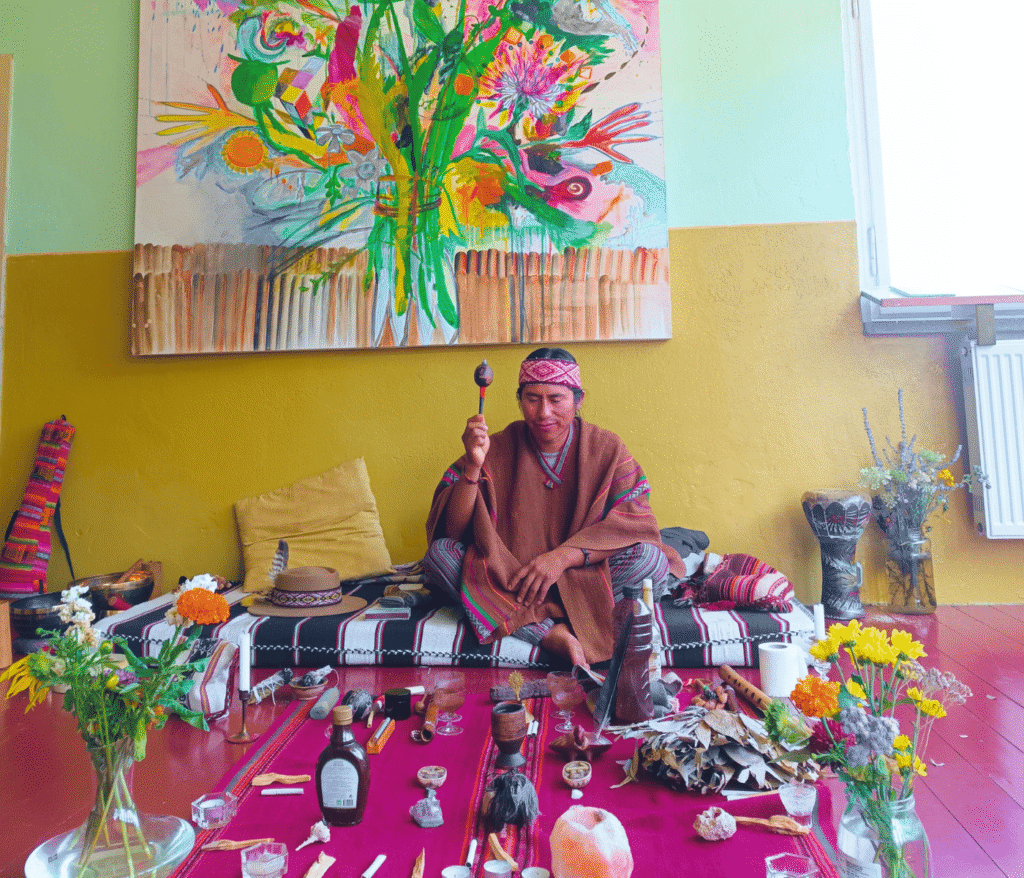
Ceremonies rooted in tradition. Each ceremony follows the structure of traditional Amazonian practice, including icaros sung by the curandero throughout the night, careful attention to each participant, and a setting designed to hold the experience safely and respectfully.
Integration support afterward. Perhaps the most commonly overlooked part of a retreat elsewhere, integration is built directly into the Willka Pacha Experience process, giving participants space and guidance to process what happened rather than leaving them to sort through an intense experience alone.
The Setting Behind the Ceremony
Where a Peru ayahuasca retreat takes place matters as much as who’s leading it. Willka Pacha Experience holds its ceremonies in settings chosen specifically for their natural and spiritual significance, reflecting the environment the tradition itself grew out of, rather than a generic retreat facility retrofitted for the purpose.
This matters beyond aesthetics. Traditional Amazonian practice treats the surrounding environment as part of the ceremony itself, not simply a backdrop for it. Being immersed in that kind of setting, away from the noise and distraction of daily life, shapes how deeply participants are able to engage with the experience.
Health and Safety as a Priority, Not an Afterthought
Ayahuasca has real physiological effects and serious interactions with certain medications, particularly SSRIs and MAOIs, along with contraindications for people with specific heart conditions or a history of psychosis. A responsible retreat treats this as essential groundwork, not a box to check quickly during booking.
Willka Pacha Experience conducts thorough health screening before accepting participants into a ceremony, asking directly about medications and medical history well in advance of the retreat itself. This isn’t about creating obstacles; it’s about ensuring the ceremony is genuinely safe for everyone involved, which is exactly the standard a legitimate operator should be held to. Anyone considering this kind of retreat should also speak with a doctor directly, particularly if currently taking any prescription medication.
Who a Retreat Like This Is Suited For
A Peru ayahuasca retreat isn’t designed for travelers looking for an exotic addition to a standard vacation itinerary. It’s suited to people genuinely seeking deeper reflection, emotional processing, or a meaningful connection to a tradition that has existed in the Amazon for centuries. This might include people navigating a significant life transition, processing grief, seeking clarity on long-standing patterns, or simply feeling pulled toward a form of introspection that everyday routines don’t often allow space for.
Willka Pacha Experience works with travelers at various stages of familiarity with this kind of work, from complete first-timers to those returning for a deeper continuation of previous ceremonies, adjusting preparation and support accordingly rather than treating every participant identically.
What Makes This Retreat Different
There’s no shortage of retreat centers advertising ayahuasca experiences across Peru, and distinguishing a genuinely rooted program from a commercialized one takes real attention. What separates Willka Pacha Experience within this landscape comes down to a few consistent commitments: working exclusively with curanderos trained within authentic Amazonian lineages, structuring retreats around the full arc of preparation, ceremony, and integration rather than the ceremony alone, prioritizing thorough health screening over quick bookings, and holding ceremonies in settings chosen for their genuine significance to the tradition.
These aren’t marketing details; they’re the specific factors that determine whether a retreat delivers something real or simply an approximation of the tradition dressed up for tourism.
Taking the First Step
For travelers seriously considering a Peru Ayahuasca retreat, the most important early decision isn’t which flight to book or which dates work best. It’s finding an operator whose approach to the tradition, safety, and the full arc of the experience actually reflects what the practice is meant to be. Willka Pacha Experience was built around exactly that standard, offering travelers a way into one of the Amazon’s oldest healing traditions, guided by people who have spent their lives learning how to hold that space responsibly.
Frequently Asked Questions
- What makes Willka Pacha Experience different from other Peru ayahuasca retreats? Willka Pacha Experience works with curanderos trained within authentic Amazonian lineages, structures retreats around preparation, ceremony, and integration rather than the ceremony alone, and conducts thorough health screening before accepting participants.
- How many ceremonies are typically included in a retreat? Retreats generally include multiple ceremonies spaced a day or two apart, allowing time for physical and emotional recovery between sessions rather than back-to-back ceremonies.
- Is prior experience with plant medicine required to attend? No. Willka Pacha Experience works with both first-time participants and those returning for further ceremonies, adjusting preparation and support based on individual experience.
- What health screening is involved before a retreat? Participants are asked detailed questions about medications and medical history before being accepted, since ayahuasca can have serious interactions with certain medications and health conditions. Consulting a doctor beforehand is also recommended.
- What does the preparation process before the retreat involve? Preparation typically includes dietary guidelines in the weeks leading up to the retreat, along with guidance on what to expect physically and emotionally during the ceremonies.
- Is integration support included after the retreat? Yes, integration is built into the retreat structure, giving participants space and guidance to process their experience rather than leaving them to work through it alone once the retreat ends.
- Where are the ceremonies held? Ceremonies take place in settings chosen for their natural and spiritual significance, reflecting the environment the Amazonian ayahuasca tradition originates from.