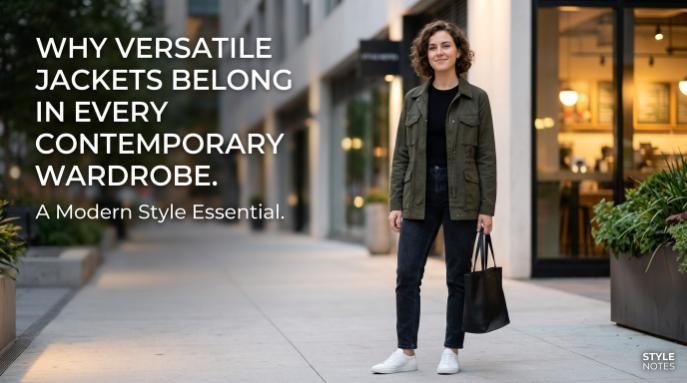
Why Versatile Jackets Belong in Every Wardrobe
A great wardrobe is not necessarily the one with the most clothes. It is the one built around pieces that can adapt to different occasions, temperatures, personal styles, and changing trends. Few garments demonstrate that kind of flexibility better than the jacket. From casual weekend outfits to polished city looks, the right outer layer can completely change the character of an outfit while adding practical protection against shifting weather.
Contemporary fashion has also moved toward clothing that combines personality with functionality. Consumers increasingly want pieces that look distinctive without becoming difficult to style. A versatile jacket answers that demand particularly well because it can function as a statement piece, a layering essential, or a dependable everyday staple depending on how it is worn.
Whether the preference is for classic outerwear, sporty silhouettes, heritage-inspired designs, or contemporary streetwear, investing in adaptable jackets makes it easier to create more outfits without constantly buying new clothing. The result is a wardrobe that feels more intentional, practical, and expressive.
The Role of the Jacket in Modern Dressing
Jackets occupy a unique position between practicality and personal expression. Unlike basic shirts or trousers, outerwear is often one of the first elements people notice when an outfit comes together. That makes the jacket an important tool for establishing visual identity.
A simple outfit of jeans and a T-shirt can take on an entirely different appearance when paired with a bomber jacket. A lightweight jacket can make summer evening clothing more practical, while a heavier winter style provides insulation without requiring multiple bulky layers underneath. This adaptability explains why outerwear continues to remain relevant despite rapid changes in fashion trends.
Versatility also comes from the wide range of available silhouettes. Bomber jackets, varsity jackets, trucker jackets, field jackets, leather jackets, parkas, and quilted layers each communicate something different while serving a similar fundamental purpose. Consumers can therefore choose outerwear based on climate, lifestyle, aesthetic preferences, or occasion.
Why Versatility Matters More Than Ever
Modern wardrobes increasingly need to work across multiple environments. A person might commute to work, meet friends for dinner, attend an informal event, and spend part of the weekend outdoors—all within the same week. Clothing that can move comfortably between these situations offers considerable value.
Versatile jackets help solve this challenge because they can be styled up or down with relatively little effort. A clean bomber can work with chinos and sneakers during the day and transition into a darker evening outfit. A heritage-inspired outer layer can bring character to otherwise minimalist clothing. Even a bold statement jacket can become surprisingly wearable when combined with neutral basics.
Several factors contribute to a jacket’s versatility:
- Neutral or adaptable colors: Black, navy, olive, brown, gray, and muted red can complement a broad range of clothing.
- Practical construction: Durable fabrics, reliable fasteners, useful pockets, and comfortable linings increase everyday usability.
- Layer-friendly proportions: A jacket should provide enough room for a shirt, sweater, or lightweight hoodie underneath.
- Timeless silhouettes: Familiar designs tend to remain wearable even when seasonal trends change.
- Distinctive details: Patches, quilting, contrast panels, embroidery, or hardware can provide personality without making the garment difficult to style.
Bomber Jackets: A Natural Foundation for Everyday Style
The bomber jacket is one of the clearest examples of adaptable outerwear. Its compact silhouette, ribbed cuffs, and typically straightforward construction make it easy to combine with casual and smart-casual clothing. It can also be produced in an enormous range of materials and colors, allowing the same basic shape to appeal to very different audiences.
One particularly useful variation is the reversible jacket. Reversibility effectively gives the wearer two visual options in one garment. One side may feature a cleaner or more understated appearance, while the other can introduce a stronger pattern, color, or texture. This is especially useful for travelers and people who prefer smaller, more efficient wardrobes.
A coach men’s reversible bomber jacket illustrates how this concept can combine recognizable styling with additional flexibility. A reversible construction encourages experimentation because the wearer can change the appearance of an outfit simply by turning the garment inside out rather than adding another layer to the closet.
Building Outfits Around a Versatile Jacket
The easiest way to maximize the value of outerwear is to treat the jacket as a central styling component rather than an afterthought. Start with a simple foundation and let the outer layer establish the mood.
| Jacket Style | Ideal Pairings | Overall Character |
|---|---|---|
| Bomber | Jeans, chinos, sneakers, knitwear | Casual and contemporary |
| Field Jacket | Denim, boots, flannel, workwear | Rugged and functional |
| Leather Jacket | Dark denim, T-shirts, boots | Bold and timeless |
| Quilted Jacket | Chinos, sweaters, casual trousers | Refined and practical |
| Statement Jacket | Neutral basics, minimal accessories | Expressive and fashion-forward |
The key is balance. When the jacket contains strong colors, graphics, or decorative elements, simpler clothing underneath can prevent the overall outfit from appearing overly busy. Conversely, a minimalist jacket provides an opportunity to introduce texture or pattern through sweaters, shirts, scarves, and accessories.
Statement Outerwear and Personal Expression
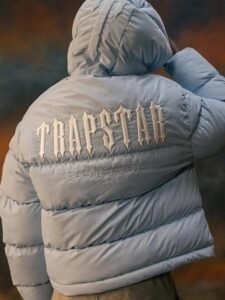
Versatility does not mean every jacket has to be plain. In fact, contemporary wardrobes benefit from having a few expressive pieces alongside dependable basics. Statement outerwear allows an individual to communicate personality without changing an entire outfit.
Color can be particularly effective. A red jacket, for example, can immediately become the focal point of an otherwise neutral combination. Pairing it with black jeans, white sneakers, or understated knitwear creates contrast while keeping the overall look cohesive.
A red carhartt jacket demonstrates how heritage-inspired construction and a strong color choice can give an everyday jacket considerably more visual presence. Rather than requiring complicated styling, a statement outer layer can do much of the work itself.
Seasonal Layering Without Sacrificing Style
One of the most practical advantages of versatile jackets is their ability to support seasonal layering. The ideal jacket is not necessarily the heaviest one available. Instead, its usefulness often comes from how effectively it works with the layers underneath.
During transitional weather, a lightweight bomber or overshirt can be worn over a T-shirt in the afternoon and paired with a sweatshirt when temperatures fall. In colder months, the same approach can be adapted by choosing insulated outerwear and combining it with thermal base layers and knitwear.
Layering also creates visual depth. Combining different textures—such as cotton, fleece, wool, nylon, or denim—can make a simple outfit appear more considered. The jacket becomes the outermost component that ties those individual layers together.
Choosing Jackets That Work Across Different Occasions
A contemporary wardrobe benefits from having jackets that correspond to different levels of formality. Not every jacket needs to serve every purpose, but each should have a clear role.
- Identify your daily environments. Consider commuting, work, social activities, travel, and outdoor use before choosing a jacket.
- Prioritize your most-worn colors. Select shades that complement the trousers, footwear, and tops already in your wardrobe.
- Consider the climate. Insulation, water resistance, breathability, and layering capacity should match the conditions where the jacket will be worn.
- Check the fit. The jacket should provide comfortable movement while leaving sufficient space for appropriate layers.
- Evaluate construction. Examine stitching, zippers, cuffs, lining, pockets, and fabric quality before treating a jacket as a long-term investment.
- Think beyond current trends. A fashionable detail is valuable, but a recognizable silhouette that remains wearable over multiple seasons generally provides greater long-term value.
Heritage Design Meets Contemporary Wardrobes
Modern fashion frequently revisits established workwear, military, collegiate, and athletic influences. The appeal of these designs comes partly from their history and partly from their practicality. Heritage jackets often use recognizable shapes that have already proven their usefulness in demanding environments.
Contemporary styling gives these familiar designs new relevance. A traditionally rugged jacket can be paired with minimalist sneakers and tailored trousers. A sporty outer layer can be combined with knitwear and clean accessories. This mixing of references is one of the defining characteristics of modern casual dressing.
Another example is the growing popularity of culturally inspired seasonal pieces. Designs connected to festivals or celebrations can add individuality to a wardrobe while still retaining the practical qualities expected from everyday outerwear. The adidas chinese new year jacket, for instance, represents the intersection of athletic styling and celebratory design, giving a familiar sportswear aesthetic a more distinctive seasonal identity.
How to Create a Smaller but More Capable Jacket Collection
Owning more jackets does not automatically create more styling possibilities. A better approach is to build a small collection in which each piece performs a different function.
- One everyday neutral: Choose a versatile black, navy, olive, or gray jacket that works with most outfits.
- One statement piece: Add a distinctive color, print, or design for occasions when a stronger visual impact is desirable.
- One lightweight layer: Use it during spring, fall, cool evenings, and indoor-to-outdoor transitions.
- One weather-focused option: Depending on location, this could be a waterproof shell, insulated coat, or wind-resistant jacket.
- One elevated option: A refined leather, wool, or tailored outer layer can cover dinners, events, and more polished occasions.
This approach reduces unnecessary duplication. Instead of purchasing several jackets that perform almost exactly the same role, each addition should expand the wardrobe’s practical or stylistic range.
What Makes a Jacket Worth the Investment?
Price alone does not determine whether a jacket is a good investment. Value comes from the relationship between construction quality, frequency of use, adaptability, and longevity. A jacket worn once or twice because it only matches one outfit may ultimately be less valuable than a moderately priced piece that becomes part of weekly rotation.
Durability deserves particular attention. High-stress areas such as cuffs, pockets, shoulders, seams, and zipper attachments should be constructed to withstand repeated use. Fabric should also be appropriate for the intended environment. A beautiful lightweight jacket may not be the right choice for heavy rain, while a heavily insulated coat can become uncomfortable when used during mild transitional weather.
Maintenance matters as well. Buyers should check care instructions before purchasing and consider whether the fabric can realistically be maintained within their lifestyle. Easy-care materials can be particularly useful for frequent travelers or people who wear the same outerwear several times each week.
Frequently Asked Questions (FAQs)
Why are jackets considered essential wardrobe pieces?
Jackets combine practical protection with strong styling potential. A versatile design can add warmth, structure, color, texture, and personality to many different outfits.
What is the most versatile jacket style?
Bomber jackets are among the most adaptable options because their casual silhouette works well with jeans, chinos, sneakers, knitwear, and other everyday wardrobe staples. However, the best choice ultimately depends on climate and personal style.
How many jackets should a contemporary wardrobe have?
There is no universal number. A compact collection can work extremely well when each jacket has a distinct purpose, such as everyday wear, transitional weather, statement styling, or formal occasions.
Can a statement jacket still be versatile?
Yes. Strong colors or distinctive designs can remain highly wearable when combined with neutral basics. The more visually expressive the jacket, the simpler the supporting pieces can be.
Are reversible jackets practical?
Reversible jackets can be especially practical because they provide two styling options in one garment. They are useful for travelers, minimalist wardrobes, and anyone who enjoys changing their look without carrying additional outerwear.
Make Versatile Outerwear a Core Part of Your Style
The best contemporary wardrobes are built around clothing that earns its place through repeated use. Versatile jackets accomplish exactly that by combining functionality, comfort, seasonal adaptability, and personal expression in a single garment.
From understated everyday layers to bold heritage-inspired designs, the right jacket can refresh familiar clothing and make a relatively small wardrobe feel significantly more flexible. Instead of chasing every passing trend, focus on outerwear that complements your existing pieces, suits your lifestyle, and gives you multiple ways to dress with confidence.
Build your collection thoughtfully, choose quality over unnecessary duplication, and make versatile jackets the foundation for effortless modern layering.