A garage door that suddenly looks crooked, refuses to close properly, or has rollers sitting outside the tracks is more than a frustrating inconvenience. An off-track door can become unstable and may place excessive stress on the rollers, cables, tracks, hinges, and opener. Trying to force it open or closed can make the problem worse.
For homeowners researching Garage Door Off Track Repair in Sanford, FL, understanding what caused the problem and knowing what to do next can help prevent additional damage. From identifying early warning signs to understanding the professional repair process, this guide explains how off-track garage doors happen, why they should be handled carefully, and how proper maintenance can reduce the chance of another failure.
What Does It Mean When a Garage Door Goes Off Track?
A garage door operates through a coordinated system of tracks, rollers, hinges, cables, springs, and an opener. The rollers travel inside the vertical and horizontal tracks, allowing the door to move smoothly between the closed and open positions.
An off-track garage door occurs when one or more rollers move out of the track or the door becomes displaced from its intended path. Depending on the cause and severity, you may notice the door leaning to one side, sitting unevenly, becoming stuck, or making unusual sounds during operation.
Common symptoms include:
- One side of the door appears higher than the other.
- The door becomes difficult or impossible to open.
- Rollers are visibly outside the track.
- The track looks bent, separated, or misaligned.
- The door makes grinding, scraping, or popping sounds.
- Cables appear loose or displaced.
- The automatic opener struggles to move the door.
- The door stops partway through its travel.
The important point is that an off-track door is usually a mechanical problem, not simply an issue with the opener. Repeatedly operating the opener without addressing the underlying problem can place additional strain on other components.
Why Do Garage Doors Come Off Their Tracks?
There is rarely just one cause. A garage door can leave its tracks because of impact, worn components, poor alignment, or a combination of problems.
Accidental Impact
One common cause is accidental contact with the garage door. A vehicle, bicycle, storage item, or another object can strike the lower section of the door and push the rollers or track out of alignment.
Even a relatively small impact can affect the door’s movement if it bends a track or shifts a bracket.
Worn or Damaged Rollers
Rollers allow the door to move through the tracks. Over time, rollers can wear, crack, seize, or develop excessive play.
When a roller no longer moves correctly, it can create resistance and contribute to the door coming out of alignment.
Bent or Misaligned Tracks
Tracks need to remain properly positioned for the rollers to travel smoothly. A bent section, loose mounting hardware, or an improperly positioned track can interfere with normal movement.
Replacing or adjusting a track without identifying why it became misaligned may not solve the entire problem.
Broken or Displaced Cables
Garage door cables help support and control the movement of the door. If a cable comes loose or breaks, one side of the door may drop or become uneven.
A cable issue can therefore appear to be a simple track problem while actually involving another part of the lifting system.
Spring or Balance Problems
Garage door springs counterbalance the weight of the door. If a spring breaks or the door becomes improperly balanced, the system may no longer operate evenly.
Because springs and cables can be under significant tension, homeowners should avoid attempting to manipulate these components themselves.
Normal Wear and Lack of Maintenance
Small issues can develop gradually. Loose hardware, worn rollers, track alignment problems, and deteriorating components may eventually contribute to an off-track situation.
Routine inspection can help identify these concerns before they develop into a more disruptive repair.
What Should You Do If Your Garage Door Comes Off Track?
If the door is visibly off its tracks, safety should come before convenience. Do not keep pressing the opener button in an attempt to make the door move normally.
A practical response is:
- Stop operating the door. Avoid repeatedly opening or closing it.
- Keep people and pets away. An unstable door can move unexpectedly.
- Do not pull or push the door forcefully. This may worsen track, roller, cable, or panel damage.
- Look from a safe distance. Check whether you can identify obvious track displacement, loose cables, or visible damage without touching the components.
- Contact a qualified garage door professional. A technician can assess the complete system and determine what needs repair or replacement.
A common mistake is assuming that the roller simply needs to be pushed back into the track. Garage doors are heavy mechanical systems, and the reason the roller came out matters. If the track is bent, a cable is displaced, or the door is no longer balanced, simply repositioning one component may not resolve the underlying issue.
How Is an Off-Track Garage Door Professionally Repaired?
Professional repair starts with diagnosis rather than immediately replacing parts. The technician should determine what caused the door to leave the track and check related components for damage. For Fast Garage Door Off Track Repair in Sanford, FL, a typical service process may include the following:
1. Inspect the Door and Tracks
The technician examines the door’s position, tracks, rollers, hinges, brackets, cables, springs, and other relevant hardware.
The goal is to determine whether the problem is isolated or whether several components have been affected.
2. Identify the Cause
A technician may find a bent track, worn roller, loose bracket, displaced cable, impact damage, or another mechanical issue.
Finding the cause is important because repairing only the visible symptom may allow the same problem to return.
3. Safely Stabilize the Door
Depending on its position, the door may need to be secured before components can be adjusted. This helps reduce unnecessary movement during the repair.
4. Correct or Replace Damaged Components
Depending on the inspection, the repair may involve realigning or replacing tracks, replacing damaged rollers, correcting hardware, or addressing another component responsible for the failure.
The exact repair should be based on the condition of the system rather than a one-size-fits-all approach.
5. Test Door Movement
After repairs, the door should be checked through its normal travel. The technician can verify that it moves evenly and that the rollers remain properly positioned.
If the system includes an automatic opener, its operation should also be evaluated after the mechanical issue has been addressed.
Why DIY Off-Track Repairs Can Be Risky
The difficulty is that garage doors contain heavy moving sections and components that can store substantial mechanical energy. Springs, cables, brackets, and other hardware can create hazards if they are released or manipulated incorrectly. Go pro Garage Door service can look deceptively simple a roller sitting outside a track might appear to be something a homeowner can reposition with basic tools.
DIY work can also create secondary problems. For example, forcing a misaligned door into position could bend the track further or place additional stress on rollers and hinges.
Homeowners can safely perform basic visual inspections and keep the area around the door clear. However, if the door is significantly displaced, a cable is loose, a spring appears broken, or the door is difficult to move, professional assistance is the safer choice.
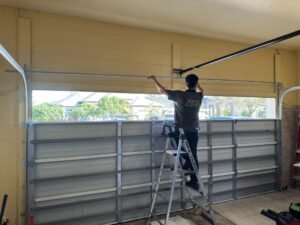
How Can Homeowners Prevent Another Off-Track Problem?
No maintenance routine can eliminate every garage door failure, but regular attention can help identify developing problems.
Watch for Changes in Movement
A healthy garage door should generally move through its tracks without obvious scraping, binding, or severe unevenness.
If the door starts becoming noisy or jerky, do not automatically assume the opener is responsible. The tracks, rollers, hinges, and balance system may need inspection.
Keep Tracks Clear
Dust and debris can accumulate around the garage door area. Keep the tracks visually clear and avoid storing objects where they could interfere with the door.
However, do not casually bend, hammer, or reposition the tracks yourself.
Inspect Hardware
Periodically look for visibly loose hardware, damaged rollers, bent track sections, or unusual wear. If something appears damaged, arrange an inspection before continued operation creates a larger problem.
Pay Attention to Balance
A garage door that suddenly feels unusually heavy or behaves differently when operated manually may have an underlying mechanical issue.
Changes in balance should not be ignored, particularly when springs or cables may be involved.
Schedule Maintenance When Appropriate
Preventive garage door maintenance can help identify worn components before they fail unexpectedly. A professional inspection can also reveal problems that are not obvious during normal daily use.
When Should You Call a Garage Door Professional?
An off-track door should generally be treated as a repair issue rather than a minor adjustment. Professional assistance is especially appropriate when:
- The door is visibly crooked.
- A roller has completely left the track.
- A cable is loose, broken, or tangled.
- A spring appears broken.
- The track is bent or separated.
- The door is unusually heavy.
- The opener runs but the door does not move correctly.
- The door is stuck in an unsafe position.
- The garage door has been hit by a vehicle or another object.
Go pro Garage Door service can be considered when you need professional help with a garage door that has moved out of its proper track. Before scheduling service, describe what happened, whether the door is currently open or closed, and any visible damage. That information can help a technician understand the situation before arriving. For homeowners needing Emergency Garage Door Off Track Repair Services the right approach is to have the complete system evaluated instead of focusing only on the component that is easiest to see.
Frequently Asked Questions
Can I open my garage door if it is off track?
It is better not to operate an off-track garage door until it has been inspected. Using the opener can place additional stress on the door, tracks, cables, rollers, and opener system.
What usually causes a garage door to come off track?
Common causes include accidental impact, worn rollers, bent or misaligned tracks, loose hardware, cable problems, spring issues, and general mechanical wear.
Is an off-track garage door an emergency?
It can become a safety concern, particularly if the door is unstable, partially open, heavily tilted, or has damaged cables or springs. Keep people away from the area and seek professional assistance rather than forcing the door to move.
Can a bent garage door track be repaired?
Depending on the severity and location of the damage, a professional may be able to realign certain components or determine that replacement is more appropriate. The entire system should be inspected before deciding.
How can I reduce the risk of my garage door going off track?
Regular inspections, prompt attention to unusual noises or movement, keeping the operating area clear, and addressing worn rollers or damaged hardware can help reduce the risk of mechanical problems.
Conclusion
An off-track garage door should not be treated as a minor inconvenience. The visible problem may involve a roller or track, but the underlying cause could involve cables, springs, hinges, brackets, impact damage, or general wear. Continuing to operate the door without finding the cause can turn a relatively focused repair into a more complicated one.
For homeowners considering Garage Door Off Track Repair in Sanford, FL, the safest approach is to stop using the door, keep the area clear, and have the system professionally evaluated. Go Pro Garage Door is a relevant local option for homeowners who need assistance assessing and repairing an off-track garage door.