When buying medicine, vitamins, cleaning products, or other potentially unsafe household goods, you may see terms like child resistant packaging, tamper evident packaging, and child proof packaging on labels. These phrases are often used together, but they do not mean the same thing.
For parents, caregivers, and everyday shoppers, the difference matters. One type of packaging helps slow children down from opening a product. Another helps you see whether a product has already been opened, damaged, or interfered with.
Trusted packaging manufacturers like Chubby Gorilla® engineer their products with both child-resistant closures and tamper-evident features built into a single packaging solution, giving brands and consumers layered protection in one design.
This guide explains how child resistant packaging works, how it differs from tamper evident packaging, and what consumers should look for when bringing potentially harmful products into the home.
What Is Child Resistant Packaging?
Child resistant packaging is packaging designed to make it difficult for young children to open a product quickly. It is commonly used for medicines, supplements, household cleaners, and other items that may be dangerous if swallowed or handled by children.
A common example is the push-down-and-turn cap on a medicine bottle. Most adults can open it with a simple motion, but young children may not have the strength, coordination, or understanding needed to do it easily.
The word “resistant” is important. It does not mean impossible to open. It means the package is designed to reduce the chance of accidental access.
Common examples include:
- Push-and-turn caps
- Squeeze-and-turn caps
- Locking pouches
- Blister packs
- Snap-lock containers
- Safety caps on chemical bottles
The main goal of child resistant packaging is to give adults access while adding an extra layer of safety around children.
What Is Tamper Evident Packaging?
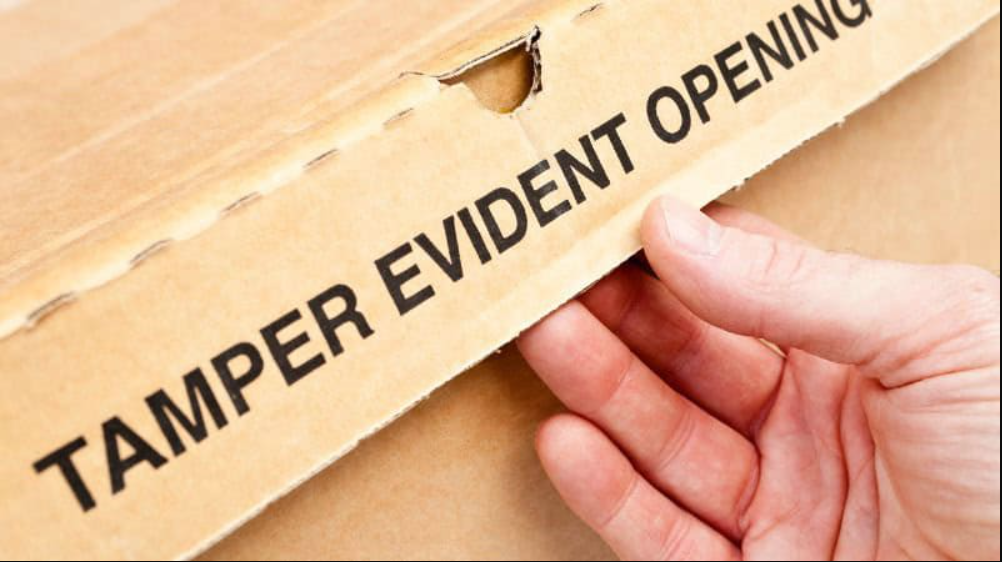
Tamper evident packaging is designed to show whether a product has been opened, damaged, or altered before you use it.
This type of packaging does not stop a child from opening a product. Instead, it helps you identify whether the product may no longer be safe, sealed, or trustworthy.
You may see tamper evident packaging on medicine, food, drinks, cosmetics, supplements, baby products, and personal care products.
Examples include:
- Plastic shrink bands around caps
- Foil seals under lids
- Tear strips on boxes
- Breakaway rings on bottles
- Security labels
- “Do not use if seal is broken” packaging
For shoppers, tamper evident packaging acts as a quick safety check. If the seal is broken, missing, loose, or damaged, you should avoid using the product and return it or contact the seller.
Child Resistant Packaging vs. Tamper Evident Packaging
The easiest way to understand the difference is this:
- Child resistant packaging helps prevent children from opening a product easily.
- Tamper evident packaging helps show whether someone has already opened or interfered with a product.
They are not interchangeable. A medicine bottle may have a child-resistant cap, but if the foil seal underneath is broken, the product may have been tampered with. Similarly, a bottle may have an intact seal, but that does not mean it will be difficult for a child to open once the seal is removed.
| Feature | Child Resistant Packaging | Tamper Evident Packaging |
| Main Purpose | Makes it harder for children to open a product | Shows whether a product has been opened or altered |
| Consumer Question It Answers | “Can my child open this easily?” | “Has this product been opened before I bought it?” |
| Common Examples | Push-and-turn caps, locking pouches, blister packs | Foil seals, shrink bands, tear strips, security labels |
| Best Used For | Medicines, cleaners, supplements | Medicines, food, cosmetics, supplements, baby products |
| Key Limitation | Not completely childproof | Does not stop children from opening the product |
| Home Safety Role | Reduces accidental child access | Helps shoppers spot possible tampering |
For families, both features can be useful. One helps reduce accidental access. The other helps protect product integrity before use.
Why Child Proof Packaging Can Be Misleading
Many people use the phrase child proof packaging, but it can create a false sense of security.
No package is completely childproof. A determined child may still figure out how to open a container, especially if they watch an adult do it. Older siblings may also open products that younger children cannot.
That is why the more accurate term is child resistant packaging, not child proof packaging.
This difference matters because packaging should never replace safe storage. Even if a product comes in packaging that seems secure, it should still be kept out of sight and out of reach of children.
A good rule for parents and caregivers is simple: use safety packaging as backup, not as your main safety system.
Where You Commonly See Child Resistant Packaging
You may find child resistant packaging on many everyday products, especially items that could be dangerous if swallowed, inhaled, or touched by children.
Medicines
Prescription and over-the-counter medicines often use safety caps, blister packs, or secure closures. Pain relievers, allergy tablets, sleep aids, and cough medicine should always be stored carefully after use.
Vitamins and Supplements
Some vitamins and supplements can be dangerous for children if taken in large amounts. Iron supplements, high-dose vitamins, and certain herbal formulas should be treated with the same caution as medicine.
Cleaning Products
Household cleaners, detergents, disinfectants, and chemical sprays may include safety closures to reduce accidental exposure. These products should never be stored where children can easily reach them.
Cannabis and CBD Products
In areas where cannabis products are legal, edibles, oils, and capsules often require strict safety packaging. This is especially important because some products may look like regular snacks or candy. Products like these are commonly stored in child-resistant bottles that combine push-and-turn caps with tamper-evident bands, giving brands a compliant solution that addresses both child safety and product integrity in a single package.
Nicotine and Vape Products
Nicotine products can be highly dangerous for children. Many of these products use secure closures or sealed containers to reduce the risk of accidental ingestion.
What Consumers Should Check Before Buying
When buying products that could be unsafe for children, do not only look at the brand, price, or size. Take a moment to check the packaging.
Look for:
- A safety cap or locking mechanism
- Clear warning labels
- An intact outer seal
- A foil seal under the cap
- Packaging that closes securely after each use
- Simple instructions for opening and reclosing
If the product will be stored in a home with children, child resistant packaging is especially important. But it only works properly if the package is closed correctly after every use.
A safety cap left loose on a counter is not protecting anyone.
How to Use Child Resistant Packaging Safely at Home
Even the best packaging depends on how it is used.
After opening a bottle, pouch, or container, always close it fully. Listen for the click, twist until secure, or check that the locking strip is sealed.
You should also store risky products:
- In high cabinets
- Behind locked doors
- Away from purses and bedside tables
- Away from food and snacks
- In their original containers
- Out of sight and reach of children
Do not transfer medicines, supplements, or chemicals into unlabeled bottles, jars, or bags. Children may mistake them for candy, juice, or snacks.
Child resistant packaging helps reduce risk, but safe habits make the biggest difference.
Why Tamper Evident Features Matter for Shoppers
Before using a product, especially something you swallow, apply to your skin, or give to a child, check whether the packaging looks normal.
Warning signs may include:
- A broken seal
- A missing plastic band
- A loose cap
- A torn box
- A damaged foil layer
- Sticky residue where a label should be
- Packaging that looks previously opened
If something feels off, do not use the product. Return it to the store or contact the seller.
This is especially important for medicines, baby products, supplements, cosmetics, and packaged foods.
Can a Product Have Both Safety Features?
Yes. Many products use both safety features.
For example, a medicine bottle may have a push-and-turn cap plus a foil seal under the lid. The cap helps slow child access. The seal helps show whether the product was opened before you bought it.
Brands that need both layers of protection in a single solution often turn to packaging lines like child-resistant containers that are engineered with integrated liners, fastened tamper-evident bands, and child-resistant closures all built into one design.
This combination is common because consumers need both kinds of protection.
One answers the question: “Can my child open this easily?”
The other answers: “Has someone opened this before me?”
For parents and caregivers, both questions matter.
Common Mistakes Consumers Make
Many safety issues happen not because the packaging failed, but because people rely on it too much.
Leaving Products Within Reach
A safety cap does not help if medicine is left on a table, in a handbag, or beside the bed.
Not Reclosing the Package Properly
Some packages only work if they are fully closed after use. Always check that the lid, pouch, or lock is properly sealed.
Calling It Childproof
Thinking of safety packaging as child proof packaging can make people less cautious. It is safer to assume a child may still find a way in.
Ignoring Broken Seals
If a seal is broken, do not assume the product is fine. A damaged seal is a warning sign.
Throwing Away Original Packaging
Original packaging often includes warnings, dosage instructions, safety features, and emergency information.
Quick Safety Checklist for Parents and Caregivers
Before using or storing a product, ask yourself:
- Is the safety cap fully closed?
- Is the seal intact before first use?
- Is the product stored high or locked away?
- Could a child mistake this for candy, juice, or food?
- Are instructions and warning labels still visible?
- Did I put it away immediately after use?
This simple habit can make your home much safer.
Frequently Asked Questions
What Is Child Resistant Packaging?
Child resistant packaging is packaging designed to make it difficult for young children to open a product quickly, while still allowing adults to use it properly.
Is Child Proof Packaging Really Childproof?
No. Child proof packaging is a common phrase, but no package is completely childproof. Safety packaging reduces risk, but products should still be stored out of sight and reach.
Does Tamper Evident Packaging Stop Children From Opening Products?
No. Tamper evident packaging shows whether a product has been opened or altered. It does not work as a child safety lock.
Should I Buy Products With Child Resistant Packaging if I Have Kids at Home?
Yes, especially for medicines, supplements, cleaning products, and anything that could be harmful if swallowed or handled by a child.
What Should I Do if a Tamper-Evident Seal Is Broken?
Do not use the product. Return it to the store or contact the seller, especially if it is medicine, food, supplements, baby products, or cosmetics.
Conclusion
Understanding the difference between child resistant packaging and tamper-evident features helps you make safer choices as a shopper, parent, or caregiver. One helps reduce the chance of children opening dangerous products. The other helps you spot whether a product may have been opened before you bought it.
The safest approach is to look for the right packaging, check seals before use, close products properly, and store risky items out of reach every time. While child resistant packaging adds an important layer of protection, it should always work alongside careful storage and everyday safety habits at home.