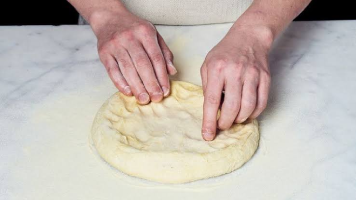
A pizza crust starts long before it goes into the oven. Pizza Dough Kneading creates the structure that holds gas, stretches into a base, and rises around the edge. Weak dough may bake flat, while dough that is overworked can become hot, tight, and difficult to shape.
This guide covers hand and machine methods, kneading times, the windowpane test, hydration, fermentation, troubleshooting, and common mistakes for home bakers and food businesses.
What Kneading Does to Pizza Dough
Pizza Dough Kneading is the controlled stretching and folding of flour, water, yeast, and salt. It hydrates the flour and arranges gluten-forming proteins into a flexible network that holds the carbon dioxide produced by yeast during fermentation.
Mixing brings the ingredients together until no dry flour remains. Kneading adds strength and develops the gluten network. Some formulas use both stages, while others use a mix, a rest, and a final knead.
Why Kneading Matters for Pizza Dough
Correct Pizza Dough Kneading gives dough strength, elasticity, and enough extensibility to stretch without tearing. That balance supports a thin center and an airy rim.
Underdeveloped dough may spread, tear under toppings, or bake dense. Kneading does not create gas bubbles; yeast produces those during fermentation. Kneading builds the network that holds those bubbles.
A developed gluten network also makes shaping easier. The dough can be opened into a base without creating weak spots that may break under sauce, cheese, or other toppings.
What to Prepare Before Kneading
Choose flour that suits the intended pizza style. Strong bread flour works well for many crusts and longer fermentation. Italian 00 flour can create a flexible base, but its strength varies between products. Bakers should always check the flour specifications and follow a suitable recipe.
Weigh flour, water, yeast, and salt with a scale. Small measuring errors can significantly affect a commercial batch.
Prepare a worktop, mixing bowl, dough scraper, and food thermometer. Use water at a temperature that helps the dough finish near the recipe’s target temperature.
A 15- to 30-minute rest after the initial mix can make Pizza Dough Kneading easier. This resting period allows the flour to absorb water before more force is applied.
Avoid covering the worktop with large amounts of flour. A dough scraper, wet hands, or a short resting period is often a better solution for sticky dough.
How to Knead Pizza Dough by Hand
Kneading Pizza Dough by Hand gives the baker useful feedback. It is one of the best ways to learn how dough changes during development.
The basic Pizza Dough Kneading Technique is simple: push, fold, turn, and repeat.
Step 1: Mix the Ingredients
Combine the ingredients according to the recipe until no dry flour remains. The mixture may appear rough, sticky, and uneven at first. This is normal.
If the dough immediately feels stiff or resistant, cover it and allow it to rest for 10 to 20 minutes.
Step 2: Push, Fold, and Turn
Place the dough on a work surface. Push it away using the heel of your hand without crushing it completely flat.
Fold the edge back toward the center. Turn the dough one-quarter of a turn, then repeat the movement.
Work at a steady pace. The goal is to stretch the dough in a controlled way without tearing it.
Step 3: Follow the Dough
The dough may cling to your hands and the worktop during the first few minutes. Use a scraper to lift and turn it instead of adding large amounts of flour.
As gluten develops, the dough should become smoother, stronger, and easier to handle. If it becomes tight or begins tearing, cover it and let it rest for five minutes. A short rest allows the gluten to relax.
Step 4: Test Before Stopping
After about eight minutes, check the dough instead of relying only on the clock.
Pinch off a piece and gently stretch it between your fingers. Proper Pizza Dough Kneading produces a translucent membrane before the dough tears. This method is known as the windowpane test.
A slightly tacky surface is normal. However, very wet dough that leaves a heavy coating on your hands may need more resting time or gluten development.
How to Knead Pizza Dough in a Mixer
Fit a stand mixer with a dough hook. Begin at a low speed so the flour, water, yeast, and salt combine evenly without flour escaping from the bowl.
Once the ingredients come together, use the kneading speed recommended by the mixer manufacturer. KitchenAid, for example, commonly recommends Speed 2 for kneading dough. Other mixer models may have different speed limits.
Pause occasionally to scrape the sides of the bowl and check the dough. Mixer friction increases dough temperature during long mixing cycles, especially in warm kitchens.
Excess heat can accelerate fermentation and increase stickiness. It may also make the final dough difficult to control.
A planetary mixer moves its attachment around a stationary bowl. This versatile machine can mix dough, batter, cream, and other foods.
A spiral mixer rotates the bowl while a spiral hook works through the dough. This system is often more efficient for repeated bread and pizza batches.
Food businesses should select a mixer that suits their normal production volume. Consistent batch sizes, speeds, and settings make Pizza Dough Kneading easier to standardize.
Commercial Batch Control
A busy kitchen should prepare a production sheet for each dough formula. It should record:
- Flour brand and type
- Ingredient weights
- Water temperature
- Room temperature
- Mixing speed
- Total mixing time
- Final dough temperature
- Dough-ball weight
- Fermentation schedule
Staff can use this information to compare a warm or sticky batch with the last successful batch.
Avoid operating a mixer below its minimum or above its rated capacity. Both conditions may change how the hook engages with the dough.
Keep the bowl and hook clean, inspect safety guards, and follow the manufacturer’s duty cycle. When demand increases, test the batch before service. Doubling every ingredient does not always mean the same mixing time will work.
How Long Should Pizza Dough Be Kneaded?
Hand kneading usually takes around 8 to 10 minutes. A stand mixer may require 5 to 10 minutes at an approved low speed.
The correct time depends on several factors:
- Flour strength and protein level
- Dough hydration
- Initial resting time
- Batch size
- Room temperature
- Water temperature
- Mixer type and speed
- Fermentation plan
Use time as a checkpoint rather than a strict finishing rule. Smoothness, elasticity, stretch, and the windowpane test are reliable indicators.
Check the dough early. If it needs more development, continue kneading in short intervals.
| Method | Typical Checkpoint | Best For | Main Watchpoint |
| By hand | 8–10 minutes | Small batches and learning dough feel | Rest tight dough and avoid excess flour |
| Planetary mixer | 5–10 minutes | Home or light commercial batches | Follow the approved speed and monitor heat |
| Spiral mixer | Recipe- and machine-dependent | Frequent or larger pizza batches | Track final temperature and batch consistency |
How to Tell When Pizza Dough Is Kneaded Enough
Finished Pizza Dough Kneading leaves a smooth surface and an elastic, slightly tacky feel.
A gentle finger press should cause the dough to begin springing back. The dough should also stretch farther than it did during the first few minutes.
To perform the windowpane test, remove a piece and allow it to relax briefly. Stretch it slowly from the edges using both hands.
Developed dough forms a thin film that allows light to pass through before breaking. King Arthur Baking and Ooni both recommend this visual method for checking gluten development.
Under-kneaded dough usually breaks quickly and has a rough surface. Properly developed dough stretches into a smoother membrane.
The test may look different with whole-grain or lower-protein flour. Bran particles can interrupt the film even when the dough has received enough development.
Common Kneading Mistakes
Adding Too Much Flour
Repeatedly adding flour to the worktop changes the recipe’s hydration level. The result may be a heavy or dense pizza crust.
Try using wet hands, a dough scraper, or a short resting period before adding more flour. Extra flour should only be used when correcting the recipe or an actual weighing error.
Stopping Too Early
Under-kneaded dough has weak gas retention and may tear during shaping.
Allow the dough to rest briefly, continue kneading in one-minute intervals, and perform the windowpane test again.
Kneading for Too Long
Overworked dough may become tight, glossy, warm, or prone to tearing. This problem is more likely to occur with an electric mixer than with hand kneading.
Stop the machine, check the temperature, and rest the dough. Severely overworked dough may not recover fully.
Using the Wrong Mixer Speed
High speeds generate heat and may overload a domestic mixer. The manufacturer’s instructions should always take priority over a general recipe recommendation.
Pizza Dough Kneading should develop the dough without allowing it to race around the bowl or climb excessively up the hook.
Skipping the Resting Period
Resting allows flour to absorb water and tight gluten to relax. Dough that does not receive enough rest may resist stretching and snap back during shaping.
Ignoring Dough Temperature
Warm dough ferments faster than cool dough. If the dough finishes mixing at a high temperature, the planned fermentation schedule may no longer work correctly.
A food thermometer helps businesses maintain consistent results across different seasons, staff shifts, and kitchen conditions.
How Hydration, Resting, and Fermentation Affect Kneading
Hydration compares the weight of water with the weight of flour. For example, 650 grams of water with 1,000 grams of flour creates dough with 65% hydration.
Higher-hydration dough usually feels wetter and stickier. It may respond better to mixing, resting periods, or folds during bulk fermentation.
Lower-hydration dough feels firmer. It can be easier to handle by hand. A very stiff dough may also place extra pressure on a small mixer.
Resting allows the flour to absorb water and can make the dough stronger without requiring as much physical effort. Fermentation also improves flavor and can make the dough easier to stretch.
A dough that has been fermented for some time might need less initial kneading followed by additional folds during bulk fermentation. Bakers should stick to one tested recipe and change only one variable at a time when testing.
Troubleshooting Pizza Dough After Kneading
If the dough is still sticky, wait 10 minutes. Then handle it with slightly wet hands before adding more flour. A scraper can also help lift the dough from the work surface.
If the dough feels tight or springs back strongly, cover it and let it rest for 15 to 20 minutes. This allows the gluten to relax before shaping continues.
Dough that tears when stretched might not have been kneaded enough, might have been fermented for too long, or might not have received enough resting time.
If the dough gets too warm, stop kneading and move it to a cooler place. Keep track of the water temperature and dough temperature so the next batch can be adjusted.
Frequently Asked Questions
How long should pizza dough be kneaded by hand?
Regular pizza doughs need about 8 to 10 minutes of hand kneading. Stop when the dough is smooth and stretchy and can form a windowpane. The condition of the dough is more important than the exact time.
Can pizza dough be over-kneaded?
Yes. This usually happens when a strong mixer runs too fast or for too long. Over-kneaded dough may become hot, tight, shiny, or difficult to handle. Check it often and add mixing time in small steps.
Why is pizza dough sticky after kneading?
High water content, excessive heat, insufficient time for the flour to absorb water, or weak gluten development can cause stickiness. Let the dough rest for 10 minutes and use wet hands or a scraper instead of immediately adding more flour.
Is a mixer better than kneading pizza dough by hand?
Kneading by hand gives useful feedback and works well for small amounts. A mixer saves physical effort and helps improve consistency when making larger quantities. The best choice depends on the recipe, batch size, production schedule, and mixer capacity.
How can someone know when pizza dough is ready?
After kneading, the dough should look smooth, feel stretchy, spring back when pressed lightly, and stretch into a thin sheet without tearing immediately. These signs should be checked together rather than relying on one test alone.
Build a Repeatable Dough Process
Consistent Pizza Dough Kneading comes from control. Bakers should measure ingredients, use the appropriate mixer speed, track dough temperature, and stop when the dough has enough strength and stretch.
Kneading by hand is suitable for small amounts. A properly sized dough kneader can reduce physical work and make it easier to produce larger quantities.
For more consistent preparation, businesses can consider the Brothers Home dough kneader and atta machine range. Buyers should check the bowl size, motor strength, batch capacity, safety features, warranty, and after-sales support before choosing a machine.