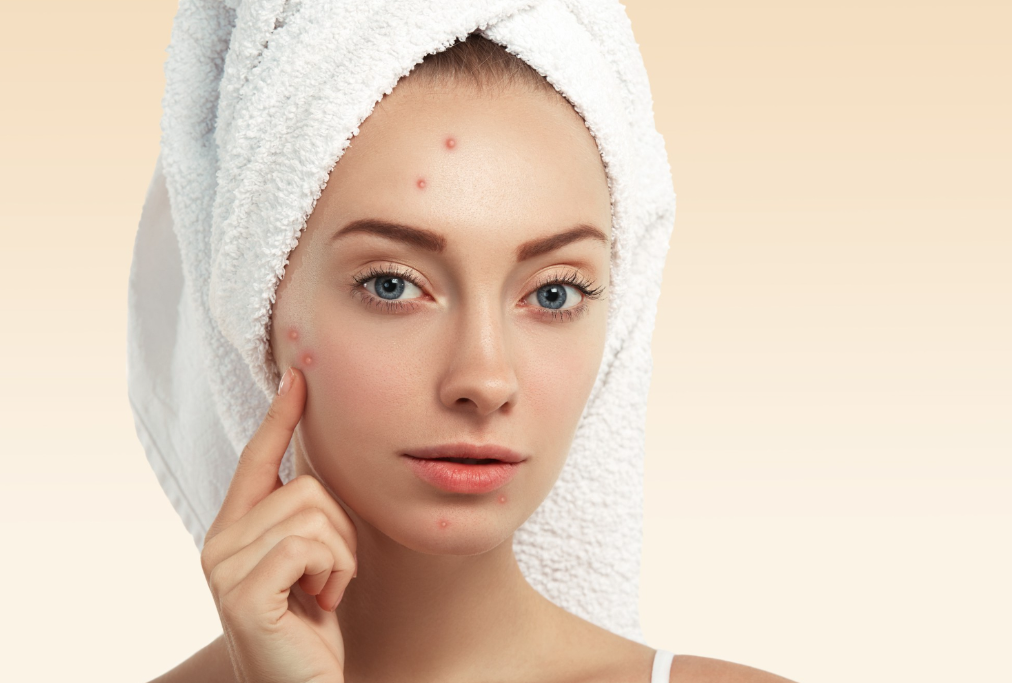
Acne is one of the most common skin concerns and can affect people at different stages of life. Although it is often associated with adolescence, adults can also experience persistent breakouts, clogged pores, inflammation, and recurring spots. Acne may appear on the face, chest, shoulders, or back and can vary from occasional blemishes to persistent inflammatory breakouts.
Finding the right Acne Treatment In Manchester starts with understanding your skin, the type of acne you have, and the factors contributing to recurring breakouts. A personalised approach can help manage active acne while supporting a clearer and more balanced-looking complexion.
At SLA Medical Clinic, acne concerns can be assessed with the aim of developing a treatment approach suited to individual skin needs and concerns.
What Is Acne?
Acne develops when hair follicles become blocked by a combination of oil, dead skin cells, and other cellular debris. Changes in sebum production and inflammation can contribute to the appearance of spots and blemishes.
Acne can include several types of lesions, including:
Blackheads
Blackheads are open clogged pores that appear darker on the surface. The dark appearance is generally caused by the contents of the pore reacting with air rather than simply being caused by dirt.
Whiteheads
Whiteheads form when a blocked pore remains closed at the surface. They usually appear as small, raised, pale or skin-coloured bumps.
Papules
Papules are small, raised, inflamed spots that may appear red or tender.
Pustules
Pustules are inflamed spots containing visible fluid or pus and may develop when inflammation occurs around a blocked follicle.
Deeper Breakouts
Some forms of acne involve deeper, more noticeable inflammatory lesions. These may require professional assessment to determine an appropriate treatment strategy.
What Causes Acne?
Acne can develop because of several interacting factors rather than one single cause. Excess sebum, dead skin-cell accumulation, blocked follicles, and inflammation can all contribute.
Hormonal fluctuations can also influence oil production, which is one reason some people experience acne during puberty, menstrual cycles, pregnancy, or other periods of hormonal change.
Other factors that may influence acne include:
Excess Oil Production
Sebum is naturally produced by the skin. However, increased oil production can contribute to blocked pores and create an environment where acne is more likely to develop.
Blocked Pores
Dead skin cells can accumulate within follicles and combine with sebum, creating congestion. This can contribute to blackheads, whiteheads, and inflammatory spots.
Hormonal Changes
Hormonal changes can increase sebum production and contribute to recurring breakouts. Adult acne can sometimes follow a different pattern from teenage acne, particularly when breakouts repeatedly appear around the lower face and jawline.
Skin-Care Habits
Using products that are unsuitable for your skin type may contribute to congestion or irritation. A simple, consistent skincare routine can be helpful when managing acne-prone skin.
Lifestyle Factors
Stress, sleep patterns, environmental factors, and individual dietary habits may influence how the skin behaves. However, acne is not simply caused by having an unhealthy lifestyle, and treatment should focus on the individual’s specific circumstances.
Why Choose Professional Acne Treatment?
Mild occasional spots may sometimes be managed with suitable over-the-counter products. However, persistent or recurring acne may benefit from professional assessment.
NICE recommends treatment choices based on acne severity, individual preferences, and clinical circumstances, with several topical and combination treatments available for acne management.
Professional assessment can help determine:
- The type and severity of acne
- Whether the acne is primarily inflammatory or comedonal
- Whether hormonal factors may be contributing
- Which skincare ingredients may be suitable
- Whether prescription treatment should be considered
- Whether additional professional treatments may complement the overall approach
At SLA Medical Clinic, an individualised approach can help ensure that treatment recommendations are based on the condition and appearance of your skin rather than relying on a one-size-fits-all routine.
Acne Treatment Options
The most suitable treatment depends on the severity and characteristics of the acne. Acne management can involve topical skincare, prescription medicines, professional procedures, or a combination of approaches.
Topical Acne Treatments
Topical treatments are applied directly to the affected areas. Depending on the individual’s condition, options may include benzoyl peroxide, retinoids, azelaic acid, or other medically recommended ingredients.
Benzoyl peroxide is commonly used for acne because it can reduce bacteria on the skin and help improve blocked pores. NHS guidance notes that it can take around four weeks to begin working, with longer periods sometimes needed for its full effect.
Retinoid-Based Treatments
Topical retinoids such as adapalene can help prevent dead skin cells from accumulating within hair follicles. They are commonly incorporated into acne treatment plans depending on the individual’s skin and circumstances.
Greater Manchester’s formulary lists adapalene and adapalene with benzoyl peroxide among topical options for acne.
Azelaic Acid
Azelaic acid can be useful for certain types of acne and may be considered when other topical treatments are unsuitable or irritating. It works by helping manage blocked pores and acne-associated bacteria.
Greater Manchester guidance includes azelaic acid among topical acne preparations.
Combination Treatments
Acne sometimes responds better to a combination approach rather than a single ingredient. NICE recommends several combination treatment options depending on acne severity, including topical retinoid and benzoyl peroxide combinations and, where appropriate, topical treatments combined with oral medication.
The exact combination should be selected by a qualified healthcare professional based on the individual’s circumstances.
Professional Acne Procedures
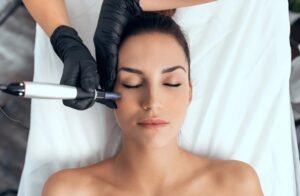
Depending on the nature of the acne and the condition of the skin, professional skin treatments may sometimes form part of an overall acne-management plan.
Chemical Peels
Certain professionally selected chemical peels can help improve the appearance of congested and acne-prone skin. They work by encouraging controlled exfoliation and removing accumulated surface skin cells.
The type, concentration, and frequency of a peel should be selected according to the person’s skin condition.
Professional Skin Treatments
Some clinics may offer professionally administered treatments designed to support acne-prone skin. These may focus on congestion, excess oil, uneven texture, or the appearance of post-acne marks.
A consultation is important before selecting a procedure because not every treatment is appropriate for every type of acne.
How Does Acne Treatment in Manchester Work?
A professional acne treatment journey generally begins with an assessment of the skin.
Step 1: Skin Assessment
The skin is examined to understand the location, severity, and type of acne. Other factors such as previous treatments and skincare routines may also be discussed.
Step 2: Personalised Treatment Planning
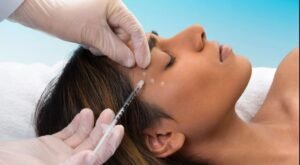
Once the skin has been assessed, an appropriate treatment strategy can be developed. This may involve topical products, medical treatment, professional procedures, or a combination.
Step 3: Treatment
The selected treatment is carried out according to the individual’s requirements. If topical or prescription products are recommended, instructions regarding their use should be followed carefully.
Step 4: Monitoring Progress
Acne treatment generally requires consistency. Results may take time, so follow-up assessment can help determine whether the treatment approach needs to be adjusted.
NHS guidance notes that many acne treatments require several weeks before noticeable improvement occurs, while NICE recommends a 12-week course for several first-line treatment options.
What Can You Expect From Acne Treatment?
The goal of acne treatment is not simply to reduce individual spots. A comprehensive approach aims to improve the overall appearance and condition of acne-prone skin.
Potential improvements may include:
- Fewer active breakouts
- Less visible congestion
- More balanced-looking skin
- Reduced appearance of inflammation
- Smoother-looking skin texture
- Better management of recurring acne
Results vary according to the severity and type of acne, the selected treatment, and how consistently the recommended routine is followed.
How Long Does Acne Treatment Take?
Acne treatment does not usually produce overnight results. Skin needs time to respond to treatment, and acne can take several weeks or longer to become noticeably clearer.
For example, NHS guidance states that benzoyl peroxide generally begins working within approximately four weeks, while NICE recommends a 12-week course for several first-line acne treatment options.
Patience and consistency are therefore important parts of acne management.
Factors That Influence Acne Treatment Cost in Manchester
The Acne Treatment Cost In Manchester can vary because acne is not treated with one universal procedure. The total cost depends on the treatment plan recommended after assessment.
Factors that may influence the cost include:
Type of Treatment
Different approaches have different costs. A skincare-based programme may have a different price from a professional procedure or a longer treatment programme.
Number of Sessions
If professional treatments are recommended, the number of sessions required can influence the overall cost.
Severity of Acne
More persistent or complex acne may require a more comprehensive treatment strategy and longer-term management.
Products or Medication
Where clinically appropriate, prescribed or recommended products may form part of the overall acne-management plan.
Individual Treatment Plan
Because every person’s skin is different, the most accurate Acne Treatment Cost In Manchester can usually be determined after an assessment and discussion of the recommended treatment options.
How to Support Acne-Prone Skin at Home
Professional treatment works best when combined with a consistent skincare routine.
Cleanse Gently
Use a gentle cleanser suitable for acne-prone skin rather than repeatedly scrubbing the face. Excessive cleansing can leave the skin irritated and uncomfortable.
Avoid Picking Spots
Picking or squeezing spots can interfere with the natural healing process and may worsen the appearance of the skin.
Use Suitable Moisturiser
Acne-prone skin can still become dry. A lightweight, non-comedogenic moisturiser may help support the skin barrier while using acne treatments.
Use Sun Protection
Daily sunscreen can help protect the skin from ultraviolet exposure. This can be particularly important when using certain acne treatments that can increase sensitivity to sunlight.
Keep Your Routine Consistent
Frequently changing products can make it difficult to determine what is actually helping your skin. A consistent routine allows time for treatments to work.
Acne Treatment for Different Skin Types
Acne can affect every skin type, but treatment should be tailored accordingly.
Oily Skin
People with oily skin may benefit from a routine focused on managing excess sebum and preventing congestion without excessively drying the skin.
Dry or Sensitive Skin
A gentler approach may be necessary for dry or sensitive skin. Strong or multiple active ingredients introduced at the same time may not be appropriate.
Combination Skin
Combination skin may have both oily and dry areas. Treatment should account for differences between these areas rather than treating the entire face identically.
Acne-Prone Skin With Pigmentation
Some people notice dark marks after acne spots have healed. In these cases, treatment may need to address both active acne and uneven pigmentation.
Greater Manchester guidance specifically notes that azelaic acid may be beneficial for some patients with darker skin where acne can contribute to hyperpigmentation.
When Should You Consider Acne Treatment?
You may want to seek professional advice if:
- Acne continues to return despite your skincare routine
- Breakouts are becoming more frequent
- Over-the-counter products have not provided sufficient improvement
- Acne is affecting your confidence
- You have persistent inflammatory spots
- You are unsure which products are suitable for your skin
- You want a personalised treatment plan
For moderate or severe acne, NHS guidance recommends seeking medical advice, particularly when pharmacy treatments have not worked.
Why Professional Guidance Matters
Acne can look similar from the outside while having different underlying contributing factors. What works well for one person’s skin may not be suitable for another.
A professional assessment can help avoid unnecessarily complicated skincare routines and identify treatments that are appropriate for the type and severity of acne.
At SLA Medical Clinic, the focus can be placed on understanding your individual skin concerns and creating an appropriate approach to help you work towards clearer, healthier-looking skin.
Maintaining Clearer-Looking Skin After Treatment
Once acne begins to improve, maintaining a consistent skincare routine remains important. Acne can return if treatment is stopped completely or if contributing factors remain unmanaged.
Maintenance may involve:
- Continuing recommended skincare
- Using appropriate acne-prevention products
- Maintaining gentle cleansing
- Protecting the skin from the sun
- Avoiding unnecessary product changes
- Attending follow-up appointments when recommended
NHS guidance notes that some acne treatments may be continued less frequently after initial improvement to help prevent acne from returning.
Frequently Asked Questions About Acne Treatment in Manchester
Is acne treatment suitable for adults?
Yes. Acne can affect adults as well as teenagers. Adult acne may require an assessment to determine the most appropriate management approach.
How quickly will I see results?
The timeline varies between individuals and treatments. Many acne treatments require several weeks before noticeable improvement, and some treatment plans are assessed over approximately 12 weeks.
Can acne be completely prevented?
There is no single approach that guarantees acne will never return. However, appropriate treatment and consistent maintenance can help manage acne and reduce recurring breakouts.
Is professional acne treatment better than using skincare products at home?
It depends on the severity and type of acne. Mild acne may respond to appropriate pharmacy products, while persistent or more significant acne may require professional assessment and prescription treatment.
How much does acne treatment cost in Manchester?
The Acne Treatment Cost In Manchester varies according to the treatment required, number of sessions, products, and individual treatment plan. A consultation can provide a more accurate estimate based on your specific needs.
Can acne treatment also improve uneven-looking skin?
Some acne treatments can help improve the appearance of congestion and uneven texture, while separate approaches may be considered for pigmentation or marks left after acne.
Conclusion
Acne can affect both the appearance of the skin and everyday confidence, but a suitable treatment approach can help manage breakouts and support a clearer, healthier-looking complexion. From topical treatments and prescription options to professionally selected skin procedures, there are different approaches depending on the individual’s acne and skin type.
If you are looking for Acne Treatment In Manchester, a personalised assessment is an important first step. SLA Medical Clinic can provide an individual-focused approach to help identify suitable options for managing acne and supporting long-term skin health.