Industrial Adhesive Glue: A Guide to Applications, Quality, and Safety
Industrial adhesive glue plays an important role in modern manufacturing because it can join different materials while supporting efficient production and consistent product quality. From furniture and woodworking to packaging, automotive components, textiles, electronics, and general manufacturing, adhesives are used where manufacturers need reliable bonding without depending entirely on mechanical fasteners.
Unlike conventional joining methods such as screws, nails, or rivets, adhesive bonding can provide a continuous bonding area across the surfaces being joined. The appropriate adhesive depends on factors such as substrate type, operating temperature, required bond strength, production speed, moisture exposure, and the conditions in which the finished product will be used.
What Is Industrial Adhesive Glue?
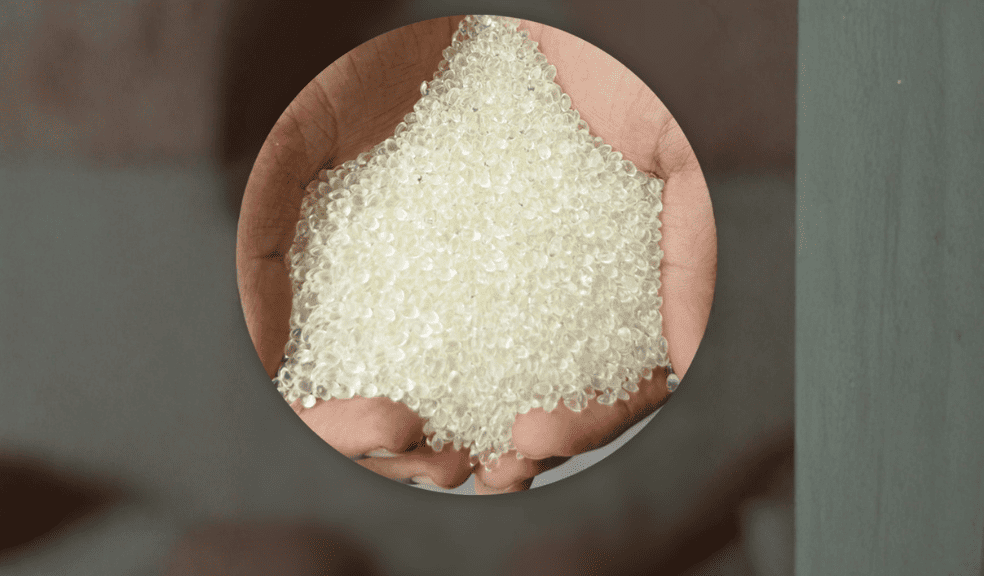
Industrial adhesive glue refers to adhesive products formulated for manufacturing and commercial applications. These products are designed to bond materials such as wood, paper, cardboard, plastics, metals, textiles, laminates, and other substrates.
Different industrial applications require different adhesive technologies. Common categories include hot melt adhesives, water-based adhesives, solvent-based adhesives, and reactive adhesives. Each technology has different characteristics related to application temperature, setting time, open time, durability, and resistance to environmental conditions.
Selecting the correct adhesive is therefore an important part of achieving a dependable production process.
Major Applications of Industrial Adhesive Glue
Industrial adhesive glue is used across a wide range of sectors.
1. Woodworking and Furniture
Adhesives are widely used for furniture assembly, edge bonding, laminating, panel production, and other woodworking processes. The adhesive must be compatible with the wood species, surface condition, production method, and expected service environment.
Hot melt and water-based technologies can be selected according to the manufacturing process and required performance.
2. Packaging
Packaging manufacturers use adhesives for carton closing, case sealing, labeling, laminating, and other converting operations. Production speed and consistent application are particularly important in automated packaging lines.
Hot melt adhesives are often considered where fast setting and high production throughput are required.
3. Paper and Bookbinding
Adhesives are used to assemble books, catalogues, notebooks, paper products, and other printed materials. The formulation needs to provide suitable adhesion while maintaining the desired flexibility and appearance of the finished product.
4. Textile and Other Manufacturing Applications
Industrial adhesives can also be used in selected textile, footwear, automotive, construction-related, and general assembly applications. The required adhesive depends on the materials and the environmental conditions involved.
Benefits of Using Industrial Adhesive Glue
The right adhesive can provide several manufacturing benefits:
- Efficient bonding of different materials
- Reduced dependence on mechanical fasteners
- Suitable options for automated production
- Clean and consistent application
- Fast setting with appropriate adhesive technologies
- Potentially improved product appearance
- Flexible formulation choices for different substrates
- Compatibility with specialized manufacturing processes
However, these benefits depend on selecting and applying an adhesive according to the manufacturer’s technical specifications.
How to Select the Right Industrial Adhesive
Choosing an industrial adhesive should be based on the actual application rather than simply selecting the strongest adhesive available.
Important factors include:
Material compatibility: Different substrates have different surface properties and require compatible adhesive chemistry.
Bonding conditions: Temperature, humidity, pressure, and curing or setting conditions can influence bond performance.
Production speed: High-speed production may require an adhesive with a suitable setting or curing profile.
Required durability: The finished bond may need resistance to moisture, heat, chemicals, vibration, or mechanical stress.
Application equipment: The adhesive should be compatible with the dispensing or application equipment used in production.
Safety and handling: Storage, ventilation, personal protective equipment, and handling requirements should follow the applicable product documentation and regulations.
Rules and Regulations for Industrial Adhesive Glue
Rules and regulations depend on the country, product formulation, intended application, workplace, and transportation requirements. Therefore, manufacturers and users should verify the requirements applicable to their specific adhesive rather than relying on a generic compliance statement.
In India, businesses handling industrial adhesives should consider applicable requirements relating to chemical safety, workplace health and safety, environmental management, labeling, storage, transportation, and waste management. Product-specific requirements can also arise from the chemicals and substances contained in a formulation.
Safety Data Sheets and Hazard Communication
A Safety Data Sheet (SDS) is an important document for understanding the hazards, safe handling procedures, storage requirements, emergency measures, and other safety information associated with a chemical product.
Industrial adhesive users should review the applicable SDS before handling the product and ensure that workers receive appropriate safety information.
Labeling and Product Information
Industrial adhesive packaging should provide the information required under applicable laws and standards. Depending on the product and jurisdiction, this can include product identification, hazard information, precautionary statements, handling instructions, and manufacturer or supplier information.
Workplace Safety
Industrial facilities should establish appropriate procedures for adhesive handling and application. Depending on the adhesive technology, controls may include suitable ventilation, protective equipment, safe storage, spill-response procedures, and worker training.
For hot melt adhesives, operators should also follow equipment and temperature-safety procedures because the adhesive and application equipment can operate at elevated temperatures.
Environmental Considerations
Manufacturers should also consider applicable environmental requirements for production, emissions, chemical storage, and disposal of adhesive-related waste. The exact requirements depend on the formulation and the location of the facility.
Businesses should consult the relevant Indian authorities, applicable standards, and current legal requirements for their particular operation.
Quality Matters in Industrial Adhesive Selection
A reliable industrial adhesive is not defined only by its initial bonding strength. Consistency between batches, application characteristics, setting time, compatibility with substrates, storage stability, and performance under expected service conditions can all influence manufacturing results.
For this reason, businesses should evaluate technical specifications and conduct application testing before introducing an adhesive into large-scale production.
Industrial Adhesive Glue from Superbond
Superbond is an adhesive manufacturer in India offering adhesive solutions for different industrial applications. Its product portfolio can include adhesive technologies suited to manufacturing requirements such as woodworking, furniture, packaging, and other bonding processes.
For businesses evaluating an industrial adhesive glue, the most suitable product should be selected according to the materials, application method, production conditions, and required bond performance.
Conclusion
Industrial adhesive glue has become an important bonding solution across modern manufacturing. Its applications range from woodworking and furniture to packaging, paper products, textiles, and other industrial processes.
Choosing the correct adhesive requires consideration of substrate compatibility, production conditions, performance requirements, application equipment, and safety. At the same time, businesses should follow the applicable rules and regulations for chemical handling, labeling, workplace safety, environmental management, and product-specific requirements.
By combining suitable adhesive technology with proper application procedures, quality control, and regulatory compliance, manufacturers can develop reliable and efficient bonding processes.