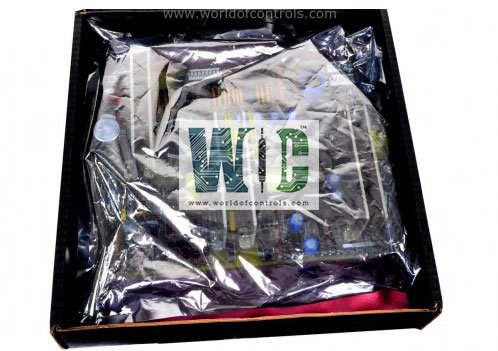
Industrial control systems must respond quickly when an unsafe operating condition occurs. Emergency trip circuits provide a dedicated method for initiating protective actions when equipment needs to be stopped or moved to a safe state. The IS230TNEAH1A Emergency Trip DIN-Rail Module is designed for this type of application, providing an interface for emergency trip signals within industrial control environments.
A properly maintained emergency trip module can support dependable protection, improve system response, and help operators manage critical shutdown conditions.
What Is an Emergency Trip DIN-Rail Module?
An Emergency Trip DIN-Rail Module is an industrial control component used to interface emergency trip signals with a control system. DIN-rail mounting allows the module to be installed inside electrical cabinets and control panels without requiring a large amount of space.
The IS230TNEAH1A can be used as part of an emergency shutdown or protective control circuit where a reliable signal path is required. Its position within the control architecture makes correct wiring, installation, and maintenance important for dependable operation.
How Does an Emergency Trip Module Support System Safety?
Emergency trip circuits are intended to respond to conditions that require equipment to stop or transition to a safer operating state. When an emergency signal is generated, the associated control logic can initiate the required protective action.
The emergency trip module helps provide the interface between field-level emergency signals and the control system. This allows emergency conditions to be incorporated into the wider control architecture while maintaining a clear signal path.
For turbine and other industrial applications, dependable emergency trip functionality is particularly important because equipment may operate under high temperatures, pressures, speeds, and mechanical loads.
Why Are Emergency Trip Circuits Important in Industrial Automation?
Industrial automation depends on continuous monitoring and controlled responses. However, certain conditions require immediate intervention rather than normal process control.
Emergency trip circuits provide a dedicated protective function for these situations. They can be associated with emergency pushbuttons, protective devices, shutdown systems, and other field equipment.
A reliable emergency trip interface helps the control system receive the appropriate signal and execute the programmed response. This contributes to safer equipment operation and reduces the risk associated with delayed protective actions.
Key Benefits of the IS230TNEAH1A
Several factors make an emergency trip DIN-rail module important in industrial control applications:
- Dedicated emergency signal interface: Supports the integration of emergency trip signals into the control architecture.
- DIN-rail installation: Allows convenient mounting inside control cabinets and electrical panels.
- Control system integration: Helps connect field emergency signals with control logic.
- Compact panel installation: DIN-rail construction can help optimize cabinet space.
- Maintenance accessibility: Properly installed modules can simplify inspection and replacement activities.
These benefits depend on correct system design, wiring, configuration, and maintenance practices.
Maintaining an Emergency Trip DIN-Rail Module
Regular inspection is important for emergency trip components. Technicians should check wiring connections, terminal condition, mounting security, and signs of overheating or physical damage.
The surrounding control cabinet should also be inspected for contamination, excessive heat, moisture, and loose connections. These conditions can affect electrical components and may contribute to intermittent signal problems.
Functional testing should follow the equipment manufacturer’s procedures and the site’s safety requirements. Emergency circuits should not be tested or modified casually because incorrect changes can affect protective functions.
What Should Be Considered When Replacing the Module?
When replacing an IS230TNEAH1A Emergency Trip DIN-Rail Module, technicians should verify the exact part number and system compatibility before installation. Electrical specifications, wiring configuration, mounting requirements, and application-specific documentation should be reviewed.
Using an incorrect replacement component can create compatibility problems or affect the expected operation of the emergency trip circuit. Maintaining suitable spare components can also reduce downtime when an unexpected failure occurs.
Troubleshooting Emergency Trip Problems
If an emergency trip circuit does not operate correctly, technicians can begin by checking field wiring, terminal connections, module condition, power availability, and associated control-system diagnostics.
Intermittent operation may result from loose connections, damaged wiring, environmental conditions, or aging hardware. A structured troubleshooting process helps isolate the problem without making unnecessary changes to other parts of the control system.
Conclusion
The IS230TNEAH1A Emergency Trip DIN-Rail Module plays an important role in industrial control environments where emergency signals must be reliably integrated into protective control functions. Proper installation, inspection, testing, and replacement practices help maintain dependable emergency trip operation.
For facilities maintaining GE control systems, keeping suitable UNUSED and REBUILT spare components available can support faster maintenance and reduce equipment downtime. World of Controls provides industrial control system spare parts for maintenance and replacement requirements.
Read Also – IS200EROCH1ADD Exciter Regulator Options Board