Choosing the best hyperbaric chamber for home use involves more than looking at pressure ratings or advertised features. Buyers should consider chamber design, available space, oxygen equipment, comfort, operating requirements, maintenance, warranty, and safety before selecting a system.
Warrior Willpower helps buyers explore different chamber options and understand the specifications that can matter in a home environment. Whether you are considering a soft-shell portable model, a sitting chamber, or a rigid system, comparing the complete setup can provide a clearer picture of what fits your needs.
What Makes a Chamber Suitable for Home Use?
A chamber intended for home use needs to work within the practical limits of the household. Available floor space, electrical requirements, ventilation, equipment placement, access around the chamber, and the user’s ability to follow operating instructions should all be considered before purchase.
The FDA advises people considering home-use medical devices to review how the device operates, its power requirements, the user’s capabilities, and the reliability and support offered by the seller. The FDA also recommends reviewing the device’s instructions before deciding which product is appropriate for a particular home situation.
Soft-Shell Chambers for Home Use
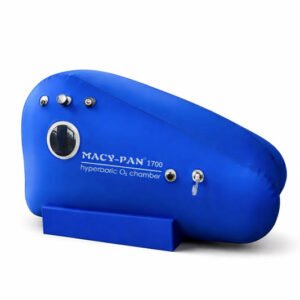
Soft-shell chambers are one category commonly considered for home environments because manufacturers offer portable lying and sitting configurations. These designs can be easier to accommodate than some large rigid systems, although the complete setup still includes supporting equipment that requires additional space.
For example, the MACY-PAN ST801 is listed as a soft lying chamber with dimensions of 225 × 80 × 80 cm and selectable pressure settings of 1.3, 1.4, and 1.5 ATA. Its listed system includes an air compressor and oxygen concentrator.
Lying Versus Sitting Chambers
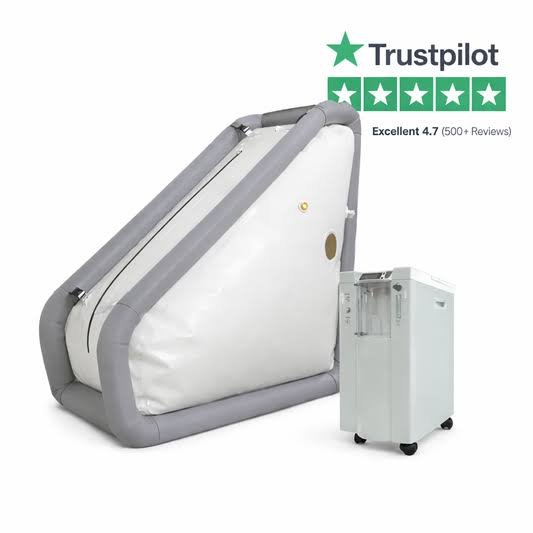
The choice between a lying and sitting chamber largely depends on room layout and personal preference. A lying model requires more horizontal floor space, while a vertical sitting design can make greater use of the room’s height.
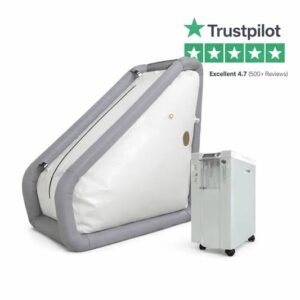
MACY-PAN’s L1 soft sitting chamber is an example of a vertical configuration, while the ST801 uses a horizontal lying design. Measuring the intended room before purchasing can help determine which configuration is more practical.
Understanding 1.5 ATA Chambers
ATA, or atmospheres absolute, describes the pressure inside a hyperbaric chamber. Some home-oriented soft chambers are available with multiple pressure settings, including 1.5 ATA as the maximum listed operating pressure.
The ST801, for example, is listed at 1.3, 1.4, and 1.5 ATA. The ST701/702 soft lying models are also listed with those three pressure settings. A maximum pressure rating should not automatically be interpreted as a recommendation for every user or application; operating procedures should follow the manufacturer’s instructions and appropriate professional guidance.
Features to Compare Before Buying
A useful comparison should examine the complete chamber system instead of focusing on one specification. Two chambers may have similar pressure ratings but differ considerably in size, equipment, materials, controls, maintenance requirements, and support.
Important points to compare include:
- Pressure range and operating controls
- Chamber dimensions and interior space
- Soft-shell or rigid construction
- Compressor and oxygen concentrator
- Pressure gauges and emergency systems
- Entry design and viewing windows
- Cooling or dehumidification equipment
- Warranty and technical support
- Cleaning and maintenance requirements
These factors can help you understand how a chamber may fit into your home and what equipment will actually be included with the purchase.
Oxygen and Compressor Equipment
The chamber capsule is only part of a complete hyperbaric system. Depending on the model, the package may include an air compressor, oxygen concentrator, tubing, pressure controls, gauges, and cooling equipment.
The ST801 specifications list an 18 kg air compressor and a 24 kg oxygen concentrator in addition to the chamber capsule. At the listed 1.5 ATA setting, its oxygen concentrator is specified at 10 L/min. This demonstrates why buyers should calculate the footprint and weight of the entire system rather than evaluating the chamber alone.
Home Space Requirements
Room measurements should be taken before ordering a chamber. The required space includes more than the chamber’s external dimensions because supporting equipment, electrical connections, access paths, and maintenance space also need to be considered.
For a horizontal model such as the ST801, the listed chamber dimensions are 225 × 80 × 80 cm. A sitting model may have a different footprint, so buyers should compare actual dimensions with the room where the equipment will be used.
Soft-Shell Versus Hard-Shell Designs
Soft-shell and hard-shell chambers have different physical characteristics. Soft-shell models generally use flexible chamber materials and are available in portable configurations, while hard-shell models use rigid construction and can be substantially heavier.
For comparison, MACY-PAN lists its HP1501-85 hard-shell lying chamber at 220 × 85 × 85 cm with a chamber weight of 150 kg and a pressure range of 1.5–1.6 ATA. This illustrates why buyers should consider installation, transportation, and room requirements when comparing rigid and flexible systems.
Comfort and Everyday Practicality
Comfort can influence how practical a chamber is for repeated use. Lying models provide a horizontal configuration, while sitting models offer an upright arrangement. Interior dimensions, entry design, visibility, temperature, and equipment noise may all affect the experience.
The ST801 is listed with multiple transparent viewing windows, while the manufacturer’s catalogue also describes an internal pressure gauge and emergency valve for the model. Buyers should still review the exact specifications of the model they are considering rather than assuming that all chambers have identical features.
Safety Considerations for Home Chambers
Safety should be a central part of any home-chamber decision. In August 2025, the FDA warned healthcare providers and facilities about serious injuries and deaths associated with HBOT devices and emphasized following manufacturer instructions, fire-prevention measures, proper grounding, training, monitoring, cleaning, and maintenance.
The FDA specifically notes that high-concentration oxygen creates heightened fire risk. Users should follow the manufacturer’s prohibited-item rules and operating procedures carefully and should not improvise with electrical equipment, cleaning products, clothing, or other items inside the chamber.
Portability and Storage
A portable chamber can be useful when flexibility is important, but “portable” does not necessarily mean the entire system is lightweight. The chamber, compressor, oxygen concentrator, tubing, and other accessories all contribute to the total equipment footprint.
The ST801 chamber capsule is listed at 15 kg, while its listed compressor and oxygen concentrator weigh 18 kg and 24 kg respectively. Therefore, anyone planning to move the equipment should consider the complete system rather than the chamber capsule by itself.
Maintenance and Long-Term Ownership
Maintenance requirements should be reviewed before purchasing. Ask how the chamber is cleaned, which components require routine inspection, what replacement parts are available, and how technical problems are handled.
Warranty and after-sales support are also important. The FDA recommends checking seller reliability and customer support when purchasing home-use medical devices online. A clear support arrangement can be valuable when dealing with specialized equipment.
How to Compare Home Hyperbaric Chambers
Rather than selecting a chamber based on one advertised feature, create a complete comparison based on your available space, preferred configuration, equipment requirements, and intended use.
Useful comparison points include:
- Chamber type and construction
- Sitting or lying configuration
- Maximum operating pressure
- Chamber and equipment dimensions
- Included compressor and oxygen equipment
- Emergency and pressure-control features
- Warranty and technical support
- Cleaning and maintenance requirements
This approach makes it easier to understand the differences between models without assuming that one configuration will suit every home or user.
Why Explore Warrior Willpower?
Warrior Willpower provides an opportunity to explore hyperbaric chamber options while considering practical specifications such as chamber design, pressure capability, equipment, dimensions, and home setup requirements.
If you are researching the best hyperbaric chamber for home use, start by identifying the features that matter most for your environment. Reviewing manufacturer documentation, checking the complete equipment package, and considering safety requirements can help you make a more informed purchase decision.
Conclusion
The best hyperbaric chamber for home use depends on the user’s space, preferred chamber configuration, equipment requirements, budget, and intended application. Soft-shell lying chambers, sitting models, and hard-shell systems each have different characteristics that should be compared before purchasing.
Warrior Willpower can help you explore available chamber options and understand the specifications worth reviewing. Before using any hyperbaric chamber, carefully follow the manufacturer’s instructions and applicable safety guidance, particularly regarding oxygen, fire prevention, grounding, maintenance, and operation.