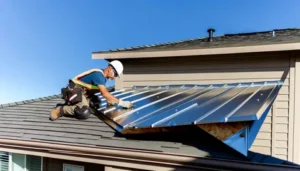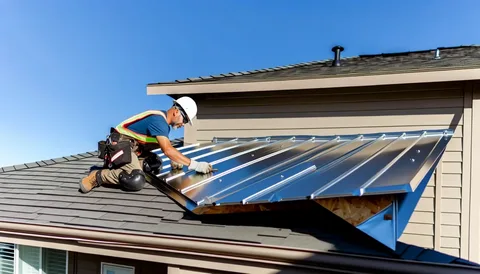
A new roof is a major investment that protects your home from weather, moisture, and everyday wear. Roofing Installation involves much more than placing new shingles over an existing structure. The materials, roof design, ventilation, flashing, underlayment, and installation methods all affect how well the finished system performs. Understanding the installation process can help homeowners prepare for a roofing project and make informed decisions about their property.
When Should You Consider a New Roof?
Not every roofing problem requires a complete replacement, but certain signs can indicate that installation of a new roofing system is worth considering. Frequent leaks, widespread shingle damage, visible deterioration, sagging areas, and an aging roof may all justify a professional inspection.
Storm damage can also affect the decision. Strong winds, heavy rain, and other weather conditions may damage roofing materials even when the problem is not immediately visible from the ground.
A professional inspection can help determine whether the existing roof can be repaired or whether replacement would provide a more reliable long-term solution.
Choosing the Right Roofing Materials
Homeowners have several roofing material options, and the best choice depends on the property’s design, budget, expected service life, and local conditions.
Asphalt shingles remain a common choice for residential properties because they are available in different styles and price ranges. Metal roofing, tile, and other roofing systems may also be appropriate depending on the home’s structure and appearance.
In Las Cruces, roof design and materials can also be influenced by local architectural styles. The city’s land development code includes specific roof characteristics for certain designated architectural styles, so homeowners should consider applicable requirements when planning a project.
Roofing Installation in Las Cruces, NM: Understanding Local Requirements
Homeowners planning Roofing Installation in Las Cruces, NM should make sure the project follows applicable local building requirements. The City of Las Cruces has its own permitting and inspection procedures for roofing projects.
New roof installations and re-roofing projects require building permits and inspections under New Mexico regulations. Required inspections include checking the decking after existing roofing is removed and a final inspection after the roofing work is completed.
This makes proper preparation especially important. A qualified roofing contractor can help homeowners understand the permitting process, inspect the roof deck after tear-off, and make sure the installation is completed according to applicable requirements.
What Happens During Roof Installation?
A professional roofing project usually begins with preparing the property and removing existing roofing materials when required. The exposed roof deck can then be inspected for signs of rot, deterioration, or other problems.
Once the underlying surface is ready, the contractor installs the components needed for the roofing system. Depending on the roof type, these may include underlayment, flashing, ventilation components, drip edges, starter materials, and the primary roof covering.
The installation must be performed carefully around valleys, roof penetrations, edges, and other areas where water could enter. Proper flashing and drainage are particularly important because even high-quality roofing materials can fail when installed incorrectly.
Why Roof Deck Inspection Matters
The roof covering is only one part of the roofing system. Underneath it is the roof deck, which provides the structural surface for the roofing materials.
During a replacement, the condition of the deck may not be fully known until the existing roof is removed. Water damage can weaken sections of the decking, particularly around areas that have experienced long-term leaks.
Las Cruces’ roofing inspection requirements include a decking inspection after existing roofing materials are removed and before the new roofing system proceeds.
Addressing damaged decking before installing new roofing helps create a more suitable foundation for the finished system.
The Importance of Flashing and Ventilation
Flashing is used around roof penetrations, walls, valleys, chimneys, and other vulnerable areas to help direct water away from potential entry points. Poorly installed or damaged flashing can contribute to leaks even when the shingles themselves appear to be in good condition.
Ventilation is another important part of a complete roofing system. Proper attic ventilation helps manage heat and moisture and can support the long-term performance of the roof.
A roofing contractor should evaluate these components rather than focusing only on the visible roof covering.
How Local Weather Can Affect Your Roof
Las Cruces has a dry desert climate, but roofing systems still need to handle seasonal weather changes, rain, wind, and temperature fluctuations. The city’s building design criteria include a 115 mph wind design speed and a 5 psf ground snow load for residential construction.
These requirements demonstrate why roofing installation should be approached as a complete building-system project rather than simply a cosmetic upgrade.
Homeowners should discuss material selection, fastening, flashing, drainage, and other installation details with their contractor before work begins.
How to Prepare for a Roofing Project
Homeowners can make the installation process easier by clearing vehicles and outdoor items away from the work area. Move fragile belongings away from walls and ceilings where possible, and make sure the contractor has clear access to the property.
It is also helpful to discuss the expected timeline, material delivery, cleanup procedures, payment schedule, and warranty information before construction begins.
If unexpected problems are discovered after the old roofing is removed, ask the contractor to explain the issue and provide the proposed solution before additional work is performed.
Choosing a Roofing Contractor
The quality of installation can have a major effect on how well a roof performs. When comparing contractors, look for appropriate licensing, insurance, relevant roofing experience, clear estimates, and a written scope of work.
Ask what materials will be used and whether the estimate includes removal, disposal, decking repairs if needed, flashing, ventilation, cleanup, and inspections.
A clear contract should also explain workmanship coverage and manufacturer warranties. Avoid choosing a contractor based solely on the lowest price. A detailed estimate makes it easier to compare the actual scope of each proposal.
Final Thoughts
Roofing installation is an important investment in the protection and long-term condition of your home. Choosing suitable materials, inspecting the roof deck, installing proper flashing and ventilation, and following local permitting and inspection requirements can all contribute to a dependable roofing system.
For homeowners in Las Cruces, understanding the local requirements before work begins can help prevent unnecessary delays. A professional inspection and detailed roofing estimate can also provide a clearer picture of what your home needs before the installation starts.