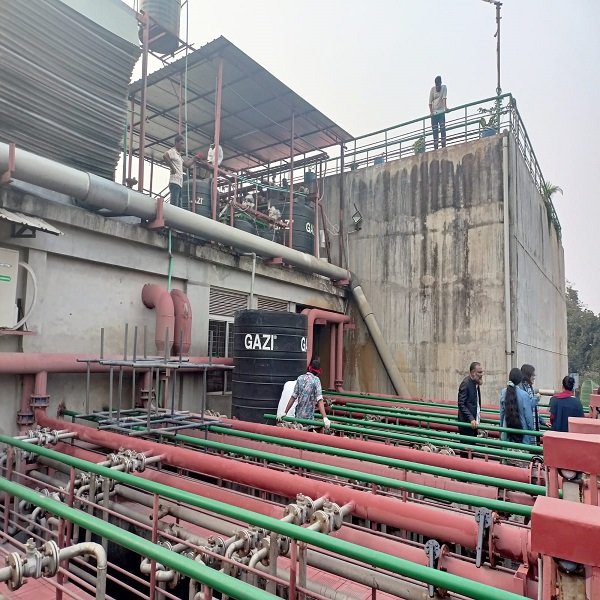
Introduction
Water is one of the most essential resources for human survival. Safe and clean drinking water is necessary for maintaining public health, supporting economic development, and improving quality of life. However, natural water sources such as rivers, lakes, groundwater, and reservoirs often contain harmful substances, including microorganisms, chemicals, suspended particles, and pollutants. Therefore, water must undergo proper treatment before it becomes suitable for human consumption.
A Drinking Water Treatment Plant (DWTP) is a specialized facility designed to remove impurities, harmful contaminants, and disease-causing organisms from raw water and convert it into safe drinking water. These plants use a combination of physical, chemical, and biological treatment processes to ensure that water meets national and international drinking water quality standards.
Modern drinking water treatment plants play a crucial role in urban areas, industries, hospitals, schools, and communities by providing a reliable supply of safe water.
What Is a Drinking Water Treatment Plant?
A Drinking Water Treatment Plant is an engineered system where untreated water from natural sources is collected, processed, disinfected, and distributed for human use. The primary objective of the plant is to remove contaminants while preserving essential minerals and maintaining water quality. Raw water may contain:
- Sand and soil particles
- Organic matter
- Bacteria and viruses
- Heavy metals
- Chemicals and pesticides
- Unpleasant taste and odor compounds
- Excess minerals
The treatment plant uses multiple stages to eliminate these impurities and produce clean, safe, and healthy drinking water.
Importance of Drinking Water Treatment Plants
1. Protecting Public Health
Contaminated water can cause serious diseases such as diarrhea, cholera, typhoid, hepatitis, and other waterborne illnesses. Drinking water treatment plants remove harmful microorganisms and pollutants, reducing health risks for communities.
2. Ensuring Safe Water Supply
Population growth and urbanization increase the demand for clean water. Treatment plants help cities and industries maintain a continuous supply of safe drinking water.
3. Removing Harmful Contaminants
Natural and human activities introduce pollutants into water sources. Treatment plants remove chemicals, heavy metals, and other dangerous substances to make water suitable for consumption.
4. Environmental Protection
Proper water treatment reduces dependence on polluted water sources and helps protect rivers, lakes, and groundwater from contamination.
Main Stages of Drinking Water Treatment Process
A drinking water treatment plant generally follows several important stages to purify water.
1. Water Intake and Screening
The first step is collecting raw water from a source such as a river, lake, reservoir, or underground well. Before entering the treatment system, water passes through screens that remove large materials such as:
- Leaves
- Plastic waste
- Sticks
- Stones
- Other floating debris
This protects pumps and equipment from damage.
2. Coagulation Process
Raw water often contains tiny suspended particles that cannot be removed easily through normal filtration. During coagulation, chemicals called coagulants are added to the water. Common coagulants include:
- Aluminum sulfate (alum)
- Ferric chloride
- Polymers
These chemicals cause small particles to combine and form larger particles called flocs. The purpose of coagulation is to prepare impurities for easier removal in later stages.
3. Flocculation Process
After coagulation, water enters the flocculation chamber. In this stage, water is gently mixed to encourage small particles to combine into larger and heavier flocs. The flocs contain:
- Dirt
- Suspended solids
- Organic materials
- Some microorganisms
Larger flocs can be removed more effectively during sedimentation.
4. Sedimentation
During sedimentation, water is kept in large settling tanks where gravity allows heavy flocs to sink to the bottom. The settled material forms sludge, which is collected and removed. Benefits of sedimentation include:
- Reduction of suspended solids
- Lower filtration load
- Improved water clarity
5. Filtration
After sedimentation, water passes through filtration units to remove remaining small particles and microorganisms. Common filtration methods include:
Sand Filtration
Water passes through layers of sand and gravel that trap suspended particles.
Activated Carbon Filtration
Activated carbon removes:
- Bad taste
- Odor
- Organic chemicals
- Chlorine by-products
Membrane Filtration
Advanced plants may use membranes such as:
- Ultrafiltration (UF)
- Nanofiltration (NF)
- Reverse Osmosis (RO)
These technologies provide highly purified water.
6. Disinfection
Disinfection is one of the most important stages because it destroys harmful microorganisms. Common disinfection methods include:
Chlorination
Chlorine is widely used because it is effective and affordable. It kills bacteria and viruses and provides protection during water distribution.
Ultraviolet (UV) Treatment
UV light destroys microorganisms by damaging their DNA without adding chemicals.
Ozone Treatment
Ozone is a powerful oxidizing agent that removes bacteria, viruses, and unpleasant odors.
7. pH Adjustment and Mineral Control
After purification, water chemistry may need adjustment. pH control helps:
- Prevent pipe corrosion
- Improve taste
- Maintain water stability
Some plants add minerals such as calcium and magnesium to improve water quality.
8. Storage and Distribution
The final treated water is stored in clean reservoirs or tanks before distribution.
A distribution system includes:
- Pipelines
- Pumping stations
- Storage tanks
Continuous monitoring ensures that water remains safe until it reaches consumers.
Types of Drinking Water Treatment Plants
1. Conventional Water Treatment Plant
This is the most common type of plant using:
- Coagulation
- Flocculation
- Sedimentation
- Filtration
- Chlorination
It is suitable for municipal water supply systems.
2. Reverse Osmosis (RO) Water Treatment Plant
RO plants use a semi-permeable membrane to remove dissolved substances. They are effective for removing:
- Salts
- Heavy metals
- Fluoride
- Chemical contaminants
RO systems are widely used in industries and areas with poor water quality.
3. Compact Water Treatment Plant
Compact plants are designed for smaller communities, schools, factories, and remote locations. Advantages include:
- Small footprint
- Easy installation
- Lower operating requirements
4. Packaged Drinking Water Treatment Plant
These plants are commonly used for bottled water production and commercial drinking water systems. They may include:
- RO purification
- UV sterilization
- Ozone treatment
- Mineral balancing
Components of a Drinking Water Treatment Plant
A typical treatment plant includes:
Water Intake System
Collects raw water from the source.
Chemical Dosing System
Adds treatment chemicals.
Mixing Tanks
Ensure proper chemical distribution.
Sedimentation Tanks
Remove settled particles.
Filters
Remove remaining impurities.
Disinfection Units
Destroy microorganisms.
Storage Tanks
Store treated water.
Monitoring Equipment
Measures:
- pH level
- Turbidity
- Chlorine concentration
- Microbial quality
Advanced Technologies in Modern Water Treatment
Artificial Intelligence (AI) Monitoring
Modern plants use AI-based systems to:
- Predict equipment problems
- Optimize chemical usage
- Monitor water quality
Smart Sensors
Sensors continuously measure water parameters and provide real-time information.
Energy-Efficient Systems
New technologies reduce energy consumption through:
- Efficient pumps
- Automated control systems
- Renewable energy integration
Membrane Technology
Advanced membrane systems provide high-quality purification with improved efficiency.
Challenges of Drinking Water Treatment Plants
Although treatment plants provide many benefits, they face several challenges.
1. Increasing Pollution
Industrial waste, agricultural chemicals, and urban pollution make water treatment more complex.
2. High Operating Costs
Treatment plants require investment in:
- Equipment
- Chemicals
- Energy
- Maintenance
3. Climate Change Effects
Droughts, floods, and changing water availability affect raw water quality and supply.
4. Sludge Management
Treatment processes produce sludge that requires proper disposal and management.
Maintenance and Quality Control
Regular maintenance is essential for reliable plant operation.
Important activities include:
- Cleaning filters
- Checking pumps
- Calibrating sensors
- Testing water quality
- Maintaining pipelines
Water samples are regularly tested to ensure compliance with safety standards.
Conclusion
A Drinking Water Treatment Plant is a vital infrastructure system that protects human health and ensures access to safe drinking water. Through processes such as screening, coagulation, flocculation, sedimentation, filtration, and disinfection, these plants transform contaminated raw water into clean and reliable drinking water. With growing populations, industrial development, and environmental challenges, the importance of advanced water treatment technologies continues to increase. Modern treatment plants using smart monitoring, membrane filtration, and energy-efficient systems will play a significant role in creating sustainable and safe water supplies for future generations.