Ensuring proper mechanical ventilation system is fundamental to creating a comfortable and healthy indoor environment. Ventilation systems facilitate the exchange of stale indoor air with fresh outdoor air, which helps maintain balanced humidity levels, regulate temperature, and reduce indoor air pollutants. Effective ventilation not only supports the wellbeing of occupants but also protects the structural integrity of the home by preventing issues such as dampness and mould growth. Modern ventilation methods combine efficiency with advanced technologies to optimise air quality.
Understanding House Air Ventilation Systems
House air ventilation systems are designed to ensure the consistent exchange of indoor and outdoor air, promoting a healthier living environment. These systems are broadly divided into natural and mechanical types. Natural ventilation utilises windows, vents, or gaps to allow air to move passively through the home, relying on wind and thermal differences. Mechanical ventilation, on the other hand, employs powered components such as fans and ductwork to regulate airflow.
In mechanical systems, air is actively circulated to maintain consistent ventilation regardless of weather conditions. Natural systems may be more suitable for areas with mild climates, whereas mechanical systems provide greater control and efficiency, particularly in densely populated or high-pollution regions. Both systems aim to regulate humidity, dilute pollutants, and maintain indoor air quality, adapting to various structural and environmental requirements.
The Role of Ventilation in Indoor Air Quality
Proper ventilation significantly contributes to maintaining a healthy indoor environment by reducing concentrations of pollutants such as carbon dioxide, volatile organic compounds, and allergens. These contaminants often originate from household products, furnishings, and human activity, and without adequate ventilation, they can accumulate to unhealthy levels.
Ventilation systems also play a crucial role in regulating moisture levels within the home. Excess humidity can encourage the growth of mould and dust mites, which are common triggers for respiratory issues. By managing humidity, ventilation helps to create a balanced and comfortable atmosphere.
Additionally, air circulation from ventilation systems helps dilute airborne particles, ensuring a consistent supply of fresh air throughout the living space. These systems are particularly beneficial in urban areas or locations with limited natural airflow, where indoor air quality is often compromised.
Components of a Mechanical Ventilation System
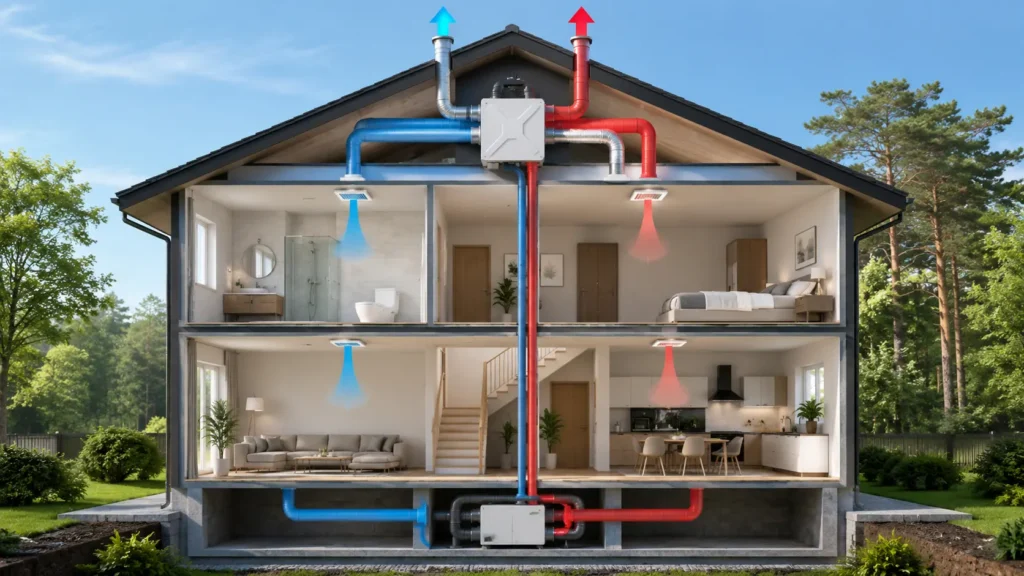
Mechanical ventilation system consists of interconnected components that work together to facilitate efficient air movement and filtration. Fans are a central element, providing the power to circulate air through the system. Ductwork ensures the even distribution of air throughout the home, maintaining consistent ventilation. Filters play an essential role by trapping dust, allergens, and other particulates, improving indoor air quality.
Advanced systems may include heat recovery units, which transfer heat between incoming and outgoing air to enhance energy efficiency. Control panels or sensors are often integrated to automatically monitor and regulate system performance. Each component is designed to operate in harmony, ensuring the ventilation system effectively meets the household’s air quality needs.
Energy Efficiency and Ventilation
Energy efficiency in ventilation systems is achieved through innovative designs that minimise energy consumption while maintaining optimal air exchange. Mechanical systems often incorporate heat recovery ventilation, which transfers heat from outgoing stale air to incoming fresh air, reducing the need for additional heating or cooling. Advanced fan technology and airflow regulation further enhance efficiency, ensuring minimal energy waste.
Proper insulation and airtight ductwork also help prevent energy losses during air circulation. Regular maintenance is essential to sustain efficiency, as clean, well-functioning components reduce energy demand. Energy-efficient ventilation systems not only lower operational costs but also contribute to environmental sustainability by reducing greenhouse gas emissions, aligning with modern priorities for eco-friendly living practices.
Installation of Mechanical Ventilation
The installation of ventilation systems requires careful planning and execution to ensure optimal performance and compliance with building standards. Professionals assess the property’s layout and size to determine the most suitable system configuration. The process includes the placement of ducts, fans, and other components to ensure efficient air circulation and filtration.
Proper sealing of ductwork is essential to prevent energy losses. Advanced systems may require integration with sensors or control panels to operate automatically. Accurate installation helps ensure that the system operates efficiently and delivers consistent air quality. Adhering to installation guidelines minimises the risk of issues such as noise or uneven air distribution, contributing to a comfortable and healthy indoor environment.
Maintenance of House Air Ventilation Systems
Routine maintenance of house air ventilation systems ensures their continued efficiency and reliability. Filters should be cleaned or replaced periodically to prevent the buildup of dust and allergens that can restrict airflow. Ductwork requires regular inspection to identify and remove obstructions, which could compromise performance. Fans and other mechanical components may need lubrication or adjustments to maintain smooth operation.
Professional servicing can address more complex issues, such as electrical faults or worn-out parts, to prevent unexpected breakdowns. Properly maintained systems not only optimise indoor air quality but also support energy efficiency, reducing overall operational costs. Establishing a consistent maintenance schedule is key to preserving the functionality and lifespan of the ventilation system.
Common Issues with House Ventilation Systems
House ventilation systems can occasionally encounter performance issues that impact their efficiency and functionality. Blockages in ductwork are a frequent problem, often caused by the accumulation of dust, debris, or even pests, which restrict airflow. Mechanical components such as fans may also wear out over time, leading to reduced air circulation or unusual noises during operation. Improperly sealed ductwork can result in air leaks, diminishing the system’s effectiveness.
Electrical faults or sensor malfunctions in more advanced systems can further disrupt performance. Regular inspections and timely maintenance are essential to identify and address these concerns before they escalate, ensuring the system continues to operate effectively and maintains a healthy indoor environment. Professional servicing can help resolve more complex technical issues.
Impact of Ventilation on House Structure
Adequate ventilation plays a vital role in protecting a house’s structural integrity by effectively managing moisture levels. Poor ventilation can lead to condensation, which may cause timber to rot, metal components to corrode, and plaster to deteriorate over time. Damp conditions also encourage the growth of mould and mildew, which can spread across surfaces and weaken building materials.
Consistent air circulation helps prevent these issues by maintaining a balanced indoor environment and reducing the risk of moisture buildup. Additionally, proper ventilation minimises temperature fluctuations within the structure, which can cause materials to expand and contract. This stability extends the property’s lifespan while maintaining its aesthetic and functional qualities.
Ventilation Regulations and Standards
Ventilation regulations and standards ensure that systems operate safely and effectively while maintaining adequate indoor air quality. These regulations outline minimum ventilation rates, system performance requirements, and installation practices to safeguard occupant health and wellbeing. Compliance often involves consideration of factors such as air exchange rates, humidity control, and pollutant removal capabilities.
Standards may vary depending on regional building codes and environmental conditions, requiring careful assessment during design and installation. Proper adherence to these guidelines helps to ensure that ventilation systems meet both health and structural safety objectives.
Additionally, incorporating regulated energy efficiency measures supports sustainability goals while maintaining consistent performance. Consulting local regulatory bodies or industry professionals ensures alignment with current standards for optimal results.
Technological Advances in Ventilation
Modern ventilation systems have greatly benefited from technological innovation, improving both performance and efficiency. Smart systems now incorporate advanced sensors to monitor indoor air quality and automatically adjust ventilation settings to maintain optimal conditions. Integration of high-efficiency particulate air (HEPA) filters and UV-C light technology enhances the removal of airborne pollutants, allergens, and microorganisms, further improving air quality.
Additionally, advancements in energy recovery systems enable greater conservation by efficiently transferring heat between outgoing and incoming air. These innovations ensure that ventilation systems operate more effectively while reducing energy consumption. Furthermore, connectivity features enable systems to be controlled remotely via mobile applications, offering greater convenience and customisation options tailored to specific property requirements.
Choosing the Right Ventilation System for Your Home
Selecting a ventilation system requires evaluating factors such as property layout, climate conditions, and indoor air quality needs. Mechanical systems are advantageous for controlling airflow and are ideal for areas with high pollution or dense populations. Homes in milder climates might benefit from natural ventilation methods that rely on passive air movement.
System size and capacity should align with the building’s dimensions to ensure effective performance. Considering energy efficiency features, such as heat recovery units, can further optimise functionality. Consulting professionals can assist in identifying solutions tailored to specific household requirements, ensuring both performance and regulatory compliance.
Environmental Benefits of Proper Ventilation
Proper ventilation contributes to environmental sustainability by reducing energy usage and enhancing indoor air quality. Energy-efficient systems, such as those incorporating heat recovery technology, minimise reliance on heating and cooling, thus lowering greenhouse gas emissions.
By maintaining optimal air circulation, these systems reduce the need for additional air purification measures, conserving resources. Effective ventilation also helps prevent structural issues caused by dampness, reducing the environmental impact of repairs. Such practices promote a balance between healthy living and eco-conscious housing solutions.
Conclusion
Proper house mechanical ventilation system is essential across Australia for maintaining healthy indoor environments and preserving structural integrity. By continuously exchanging stale indoor air with fresh outdoor air, these systems regulate humidity, dilute pollutants, and prevent harmful mould growth. Mechanical ventilation incorporating heat recovery technology offers precise airflow control while maximizing energy efficiency and reducing household utility costs. Adhering to regular maintenance, such as replacing filters and inspecting ductwork, ensures long-term operational performance. Investing in a well-designed ventilation system protects building materials from moisture damage while promoting a safe, comfortable, and eco-friendly living environment for every household.
FAQs
How does a house ventilation system improve indoor air quality?
A house ventilation system continuously replaces stale, polluted indoor air with fresh outdoor air across Australia. By filtering out dust, allergens, and volatile organic compounds while diluting carbon dioxide levels, it reduces respiratory triggers. Managing moisture prevents mould growth, creating a cleaner, healthier, and far more comfortable living environment for occupants.
What is the main difference between natural and mechanical ventilation?
Natural ventilation relies on passive airflow through open windows, doors, and vents driven by wind and temperature differences. Mechanical ventilation uses powered fans and ductwork to actively circulate and filter air across Australia. Mechanical systems provide consistent, controllable air exchange regardless of outdoor weather conditions, making them ideal for modern, airtight homes.
How do heat recovery ventilation systems enhance energy efficiency?
Heat recovery ventilation systems extract thermal energy from stale outgoing air and transfer it to incoming fresh air across Australia. This process tempers incoming air before it enters living spaces, significantly reducing the load on heating and cooling appliances. Consequently, households maintain optimal indoor air quality while lowering energy consumption and utility bills.
What maintenance does a mechanical house ventilation system require?
Routine maintenance involves regularly cleaning or replacing air filters every three to six months to ensure unrestricted airflow across Australia. Homeowners should inspect ductwork for dust buildup or leaks, clean air vents, and schedule annual professional servicing to evaluate fan motor performance, sensor accuracy, and electrical components for optimal long-term operation.
How does proper ventilation protect the structural integrity of a home?
Proper ventilation controls indoor humidity levels, preventing excess moisture condensation on walls, ceilings, and building frames across Australia. By keeping spaces dry, ventilation stops timber from rotting, metal from corroding, and plasterboard from deteriorating. Preventing persistent dampness and mould growth safeguards structural components and extends the overall lifespan of the property.
| Related Business Listings |
| Contact Directory |
| Local Business Profiles |