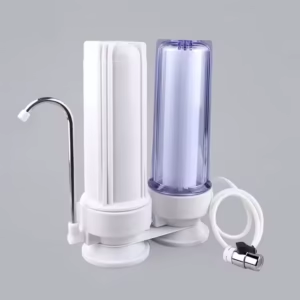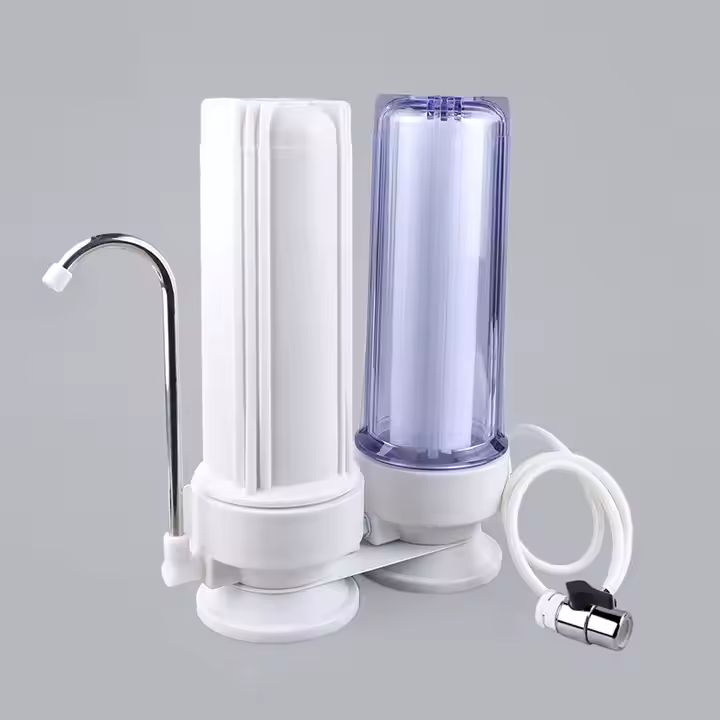
A water filter for home offers an effective solution to enhance water quality by removing impurities and contaminants. Access to clean water is essential for maintaining health and well-being, as it supports hydration, reduces the risk of illnesses, and contributes to overall daily comfort. The presence of a filtration system ensures safer water for drinking, cooking, and other household tasks. With advancements in filtration technologies, water filters can cater to a range of needs, making them a practical addition to any household.
Improved Taste and Odour
Tap water often contains substances such as chlorine, sediment, and organic compounds that can negatively affect its taste and odour. These impurities may result in a metallic or chemical flavour, which can make the water less enjoyable for consumption. By removing these elements, water filters significantly improve the overall quality of tap water. Enhanced taste and the elimination of unpleasant smells make filtered water more suitable for various household uses, including drinking, cooking, and preparing beverages.
Improved water quality can also encourage better hydration, as it becomes more appealing to consume regularly. This is particularly beneficial for promoting general health and well-being. Furthermore, removing odour-causing compounds ensures a fresher, cleaner experience when using water for everyday activities, contributing to an improved quality of life within the home.
Removal of Contaminants
Water filters are designed to target and eliminate various contaminants commonly found in tap water. These include heavy metals such as lead and mercury, as well as pesticides, chlorine, and harmful microorganisms. Exposure to such impurities can pose health risks, including developmental issues in children and gastrointestinal disorders. Advanced filtration systems work by trapping these contaminants, ensuring that water is safer for consumption and other household uses.
Different filtration methods, such as activated carbon and reverse osmosis, are effective in addressing specific pollutants. By consistently removing these harmful elements, water filters contribute to improved long-term health and provide a reliable source of clean water. Additionally, the presence of fewer impurities ensures that water quality meets higher safety standards, reducing potential risks associated with everyday use.
Reduced Risk of Certain Illnesses
Consuming water that has undergone filtration can significantly lower the likelihood of contracting waterborne illnesses. Unfiltered water may contain harmful pathogens, including bacteria, viruses, and parasites, which are known to cause infections such as diarrhoea, cholera, and dysentery. Additionally, the presence of heavy metals like lead in unfiltered water can lead to chronic health conditions, particularly in vulnerable groups such as children.
By removing these contaminants, water filters provide a safer option for households, promoting a healthier living environment. Filtration systems also target chemical pollutants, such as pesticides and industrial waste, which have been linked to long-term health concerns.
Access to cleaner water supports better digestive health and reduces strain on the immune system. This contributes to overall well-being, allowing individuals to avoid preventable illnesses caused by exposure to impurities in untreated tap water.
Better Hydration
Filtered water supports proper hydration by offering a cleaner and more palatable option for daily consumption. Impurities and unpleasant tastes in unfiltered water can discourage adequate fluid intake, which is essential for maintaining bodily functions such as temperature regulation and nutrient transport. Filtration systems remove elements that negatively impact water quality, making it more enjoyable to drink regularly. Improved hydration contributes to enhanced energy levels, better cognitive performance, and overall well-being, ensuring the body functions efficiently.
Skin Health Benefits
Filtered water can enhance skin health by reducing exposure to harsh chemicals often present in tap water. Chlorine and other substances can disrupt the skin’s natural barrier, leading to dryness, irritation, and heightened sensitivity. Filtration systems remove these elements, helping to maintain the skin’s hydration and protective functions.
Using filtered water for bathing and cleansing minimises contact with impurities that may exacerbate conditions such as eczema or acne. This contributes to a more balanced and healthier complexion over time.
Additionally, the absence of certain contaminants can support the skin’s ability to retain moisture, improving overall texture and appearance. Cleaner water ensures a gentler experience for the skin, promoting better comfort and resilience against environmental factors. Regular use of filtered water within daily routines can foster noticeable improvements in skin condition and vitality.
Cost Savings with Water Purifier for Home
Investing in a water purifier for home can reduce long-term household expenses associated with obtaining clean drinking water. The repeated purchase of bottled water often incurs significant costs over time, making it an expensive solution for accessing safe water. Filtration systems provide an economical alternative by offering a consistent supply of clean water directly from the tap, eliminating the need for single-use plastic bottles.
Additionally, filtered water can help minimise costs related to appliance maintenance. Unfiltered water may contain minerals and sediments that accumulate in household appliances, leading to potential damage or inefficiency. By removing these impurities, water filters contribute to extending the lifespan of devices like kettles and dishwashers, reducing repair and replacement expenses. This dual benefit of lowering bottled water reliance and preserving appliances demonstrates the cost-efficiency of implementing a reliable filtration system.
Environmental Benefits
Using a water filter at home helps minimise environmental impact by decreasing the production and disposal of single-use plastic bottles. Plastic waste contributes significantly to pollution, harming ecosystems and requiring substantial energy for manufacturing and recycling processes. By reducing reliance on bottled water, water filtration systems support efforts to lower carbon emissions and conserve natural resources.
Furthermore, the widespread adoption of home filtration systems can lead to a collective reduction in waste, promoting a more sustainable and environmentally friendly lifestyle.
Convenience
A home water filter ensures a consistent supply of clean water without the need for frequent purchases of bottled water. This allows households to easily integrate filtered water into daily activities such as cooking, making beverages, or preparing meals. The convenience of having filtered water readily available reduces the effort involved in managing water quality for various tasks.
In addition to accessibility, water filtration systems streamline routines by eliminating the need to boil water or use additional purifying methods. This time-saving solution simplifies access to safe water, ensuring households can rely on a steady source of filtration for multiple uses. Furthermore, having filtered water directly from the tap supports a seamless experience for maintaining hygiene and cleanliness in everyday activities, offering a practical advantage for modern households seeking efficiency in their water usage.
Protection for Appliances
Minerals, sediments, and impurities present in untreated water can lead to the build-up of limescale and residue within household appliances. Over time, this accumulation can reduce the efficiency of devices such as kettles, dishwashers, and washing machines, potentially causing malfunctions or the need for costly repairs. A water filter reduces these risks by removing the particles that contribute to such damage.
Cleaner water helps maintain the performance and longevity of appliances, ensuring they operate effectively for longer periods. This preventative measure not only decreases maintenance expenses but also supports energy efficiency, as appliances function optimally when free from obstructions. The use of filtered water can play a significant role in reducing wear and tear, helping households protect their investments in essential appliances and avoid the inconveniences associated with unexpected breakdowns.
Boosted Immune System
Consuming filtered water helps support the immune system by reducing exposure to harmful microorganisms and pollutants. Contaminants such as bacteria, viruses, and heavy metals present in unfiltered water can weaken the body’s natural defences over time, increasing susceptibility to illnesses. By removing these elements, filtration systems provide cleaner water that promotes better overall health.
Additionally, access to purified water can minimise the risk of waterborne infections, allowing the immune system to focus on other critical functions. Cleaner water contributes to a balanced internal environment, enabling the body to maintain optimal performance. Advanced filtration technologies ensure that impurities are effectively removed, offering a reliable source of water that aids the immune system in functioning efficiently and consistently.
Peace of Mind with House Water Filter
Having a house water filter installed at home fosters a sense of confidence in the quality and safety of the water used daily. Filtration systems ensure that harmful contaminants, such as chemicals, microorganisms, and heavy metals, are effectively removed, reducing potential health risks.
This assurance is particularly valuable for households with children, the elderly, or individuals with specific health concerns. The reliable provision of clean water supports a worry-free environment, allowing households to focus on their routines without concerns over water quality.
Additionally, the consistent access to purified water promotes trust in the overall safety of household water supplies, enhancing the quality of daily living and providing reassurance regarding long-term health protection for all members of the home.
Customisable Filtration Options
Water filtration systems offer versatile solutions tailored to diverse household requirements. Different technologies, including reverse osmosis, activated carbon, and UV purification, target a range of contaminants, from heavy metals to microorganisms. This adaptability ensures water quality improvements specific to individual needs, such as enhancing taste, reducing chemicals, or addressing health concerns.
Customisable filters enable households to address local water quality challenges effectively, providing flexibility in maintaining safety standards. Advanced filtration systems also allow combinations of technologies, ensuring comprehensive water purification for optimal results. This personalised approach ensures that households benefit from cleaner water suited to their particular preferences and requirements.
Conclusion
Installing a quality water filter for home represents a fundamental step toward safeguarding long-term health and wellbeing across Australia. By removing harmful heavy metals, chemicals, and waterborne pathogens, filtration systems deliver pristine, great-tasting water directly from the tap. Beyond health benefits like improved hydration and skin care, home filtration protects essential appliances from damaging limescale accumulation and extends their operational lifespan. Additionally, replacing single-use plastic bottles with home filtration significantly reduces household expenses and plastic waste. Embracing tailored filtration technology empowers households across Australia to enjoy pure, reliable water while supporting a sustainable and healthy lifestyle.
FAQs
How does a house water filter improve the taste of tap water?
Tap water across Australia frequently contains chlorine, sediments, and organic compounds that cause unpleasant metallic or chemical tastes and odours. A house water filter utilises activated carbon media to effectively absorb these impurities and neutralize chemical odours. Removing these harsh compounds results in fresh, crisp, and clean-tasting water that makes daily hydration and cooking far more enjoyable.
What harmful contaminants can a residential water filter remove?
Modern home filtration systems target a broad spectrum of harmful impurities present in municipal or rainwater supplies across Australia. These include heavy metals such as lead and copper, chlorine, volatile organic compounds, pesticides, microplastics, and bacterial pathogens. Removing these toxic substances significantly reduces exposure risks, safeguarding digestive health and overall immune system function.
How does filtered water help protect household appliances?
Untreated tap water carries minerals and dissolved solids that cause scale build-up inside plumbing and heating elements across Australia. Filtering these sediments and harsh chemicals minimizes limescale accumulation within kettles, coffee makers, dishwashers, and washing machines. Preventing scale buildup maintains appliance heating efficiency, reduces repair frequency, and significantly extends operational lifespan.
Can using a home water filter save money in the long run?
Yes, installing a filtration system offers substantial long-term financial savings for households across Australia. By providing unlimited, purified drinking water directly from the tap, it eliminates the recurring expense of purchasing bottled water. Furthermore, protecting household appliances from mineral degradation prevents costly repairs and premature replacements, maximizing overall household cost efficiency.
What are the environmental advantages of installing a home water filter?
Utilizing a home water filter drastically minimizes reliance on single-use plastic bottles, directly reducing plastic landfill waste across Australia. Decreasing bottled water consumption lowers demand for plastic manufacturing, fossil fuel extraction, and transportation emissions. Adopting home filtration fosters a more sustainable lifestyle that actively conserves natural resources and protects local aquatic ecosystems.
| Related Business Listings |
| Contact Directory |
| Local Business Profiles |