For any business, plumbing problems can quickly become operational problems. A blocked drain in a restaurant, leaking pipe in a retail store, overflowing toilet in an office, or failed hot-water system in a commercial property can interrupt daily activities and potentially create safety, hygiene, and property-damage concerns.
For this reason, business owners and property managers often search for best commercial plumbing companies near me when they need reliable assistance. However, choosing a commercial plumber involves more than finding someone who can repair a leaking tap. Businesses need plumbing professionals who understand commercial environments, scheduling requirements, compliance considerations, and the importance of minimising disruption.
In Melbourne, Victoria, commercial properties range from retail shops and offices to restaurants, warehouses, healthcare facilities and multi-unit buildings. Each environment can have different plumbing requirements. Understanding what to look for can help businesses make a more informed decision.
What Makes Commercial Plumbing Different?
Commercial plumbing is generally more complex than residential plumbing because commercial buildings often have larger systems, higher usage levels and multiple plumbing fixtures operating simultaneously.
A small residential blockage may involve a single bathroom or kitchen. A commercial drainage problem, on the other hand, could affect several bathrooms, kitchen facilities, staff areas or customer-accessible spaces.
Commercial plumbing services may include:
- Blocked drain diagnosis and clearing
- Sewer and wastewater repairs
- Burst and leaking pipe repairs
- Commercial hot-water systems
- Toilet and urinal repairs
- Tap and fixture maintenance
- Backflow prevention
- Drainage inspections
- Gas and plumbing system coordination where appropriately licensed
- Preventive plumbing maintenance
- Plumbing repairs during renovations or fit-outs
The scale and complexity of these systems mean that businesses should consider experience with commercial properties when comparing local plumbing companies.
How to Choose the Right Commercial Plumbing Company
When searching for best commercial plumbing companies near me, business owners can use several practical criteria instead of relying solely on advertising or online rankings.
1. Check Commercial Experience
A plumber who regularly works in houses may not necessarily have extensive experience with retail, hospitality, office or industrial plumbing systems.
Ask whether the company has worked with properties similar to yours. Relevant experience can help plumbers identify potential problems more efficiently and understand the operational requirements of different commercial environments.
For example, a restaurant may require attention to kitchen drainage and high-volume wastewater, while a retail property may have different requirements involving public bathrooms, staff facilities and customer areas.
2. Look for Appropriate Licensing and Insurance
Commercial plumbing work should be performed by appropriately licensed professionals in accordance with applicable Australian and Victorian requirements.
Businesses should also consider whether a plumbing company carries suitable insurance. This is particularly important when contractors are working in occupied commercial premises or around expensive equipment, stock and infrastructure.
Before engaging a contractor, ask for relevant licensing and insurance information where appropriate.
3. Consider Emergency Response Capability
Some plumbing problems cannot wait until the next business day.
A major burst pipe can release a significant amount of water into a building. A blocked commercial toilet system can affect customers and employees. A serious drainage failure may also create hygiene concerns.
For businesses that operate outside standard office hours, access to an emergency plumbing service can therefore be an important consideration.
The key is not simply whether a company advertises emergency services, but whether it has processes for responding to urgent commercial situations and communicating expected response times.
4. Evaluate Communication
Good communication is particularly important in commercial plumbing.
A business may need to coordinate plumbing work with:
- Building managers
- Property owners
- Tenants
- Facility managers
- Shop managers
- Restaurant operators
- Renovation contractors
- Electricians
- Other trades
Clear communication helps minimise confusion about access, scheduling, repairs and follow-up work.
A professional plumbing company should be able to explain the problem in understandable terms and outline the recommended repair process.
Common Commercial Plumbing Problems and Their Solutions
Commercial properties experience several recurring plumbing issues. Recognising early warning signs can help prevent minor problems from becoming expensive disruptions.
Blocked Drains
Blocked drains are among the most common plumbing problems in commercial buildings.
Restaurants and food businesses can experience drainage issues because of grease, food waste and high water usage. Offices and retail premises may experience blockages from inappropriate items entering toilets or sinks.
Signs of a developing blockage can include:
- Slow-draining sinks
- Unpleasant odours
- Gurgling pipes
- Water backing up
- Repeated toilet blockages
- Drainage problems affecting multiple fixtures
Regular inspections and appropriate maintenance can reduce the likelihood of recurring blockages.
Leaking and Burst Pipes
Leaks can begin as relatively small problems but cause significant damage if they remain unnoticed.
Commercial buildings often contain pipework behind walls, beneath floors and above ceilings. A hidden leak can therefore continue for some time before visible damage appears.
Businesses should investigate unexplained dampness, water stains, mould-like odours or sudden changes in water usage.
Where a pipe has burst, the priority is generally to control the water source where safely possible and arrange professional assistance quickly.
Hot-Water System Problems
Commercial hot-water systems may serve many people throughout the day. Restaurants, hospitality businesses, healthcare facilities and other organisations can depend heavily on reliable hot water.
Problems can include inadequate hot water, temperature fluctuations, leaks, unusual noises or complete system failure.
Preventive inspections can help identify deterioration before it becomes a major operational issue.
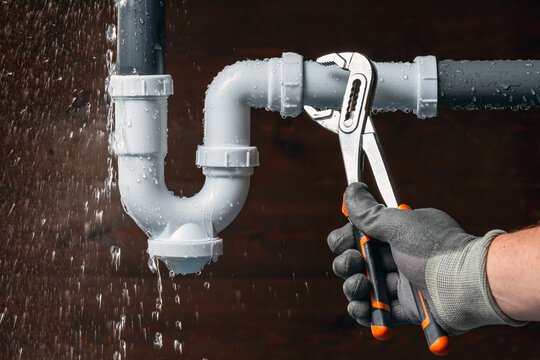
Preventive Maintenance Can Reduce Disruption
One of the most useful approaches to commercial plumbing is preventive maintenance.
Rather than waiting for a major failure, businesses can establish regular inspection and maintenance schedules based on the age, condition and usage of their plumbing systems.
A commercial plumbing maintenance program may include:
- Inspecting visible pipework for leaks or corrosion.
- Checking drains and drainage points.
- Testing relevant plumbing fixtures.
- Inspecting hot-water equipment.
- Looking for recurring blockages.
- Reviewing previous plumbing repairs.
- Identifying areas that may require future replacement.
Preventive maintenance does not guarantee that emergencies will never occur. However, it can help identify developing issues before they result in larger disruptions.
For property managers responsible for multiple sites, keeping records of inspections and repairs can also make future maintenance easier to plan.
How Technology Is Changing Commercial Plumbing
The plumbing industry is increasingly using technology to improve diagnosis and maintenance.
CCTV drain inspections, for example, can allow plumbers to examine the inside of drainage pipes without immediately relying on extensive excavation. This can help identify issues such as tree-root intrusion, damaged sections, buildup and other obstructions.
Leak-detection technology can also assist with identifying hidden water losses in some commercial environments.
Other developments include improved water-efficient fixtures, smart monitoring systems and more efficient hot-water technologies.
For businesses, these developments can provide opportunities to improve maintenance planning while potentially reducing unnecessary water consumption.
What Should Businesses Ask Before Hiring a Plumber?
Before selecting a commercial plumbing contractor, it is useful to ask several straightforward questions.
Consider asking:
- Do you regularly work on commercial properties?
- Are the relevant plumbers appropriately licensed?
- Do you provide emergency plumbing services?
- What types of commercial properties do you service?
- Can you diagnose recurring drainage problems?
- Do you provide written details of recommended work?
- What maintenance options are available?
- How will the work affect normal business operations?
- Are there any access or scheduling requirements?
The answers can provide useful insight into whether a contractor understands the practical requirements of commercial plumbing.
Businesses in Melbourne researching local providers may come across companies such as Pro Tap Plumbing and Maintenance when comparing commercial plumbing services. As with any contractor, business owners can evaluate the provider’s relevant experience, licensing, service scope and suitability for their particular property.
Final Thoughts
Finding the best commercial plumbing companies near me should be approached as a business decision rather than simply a search for the nearest plumber.
Commercial plumbing affects building operations, hygiene, safety, maintenance costs and business continuity. The right contractor should have relevant commercial experience, appropriate licensing, clear communication practices and the ability to respond to both routine maintenance needs and urgent plumbing problems.