A paragraph can look perfectly polished and still leave a reader wondering who actually wrote it. That question has become increasingly common as AI tools have moved from experimental software into everyday writing workflows. Students use them to brainstorm, marketers use them to develop drafts, and professionals use them to organize ideas.
This is where an AI detector can add another layer of context. Rather than treating detection as a simple test of “human” versus “AI,” it is more useful to understand what these tools can indicate, where they have limitations, and how their results should be interpreted.
AI Detection Is About Patterns, Not Proof
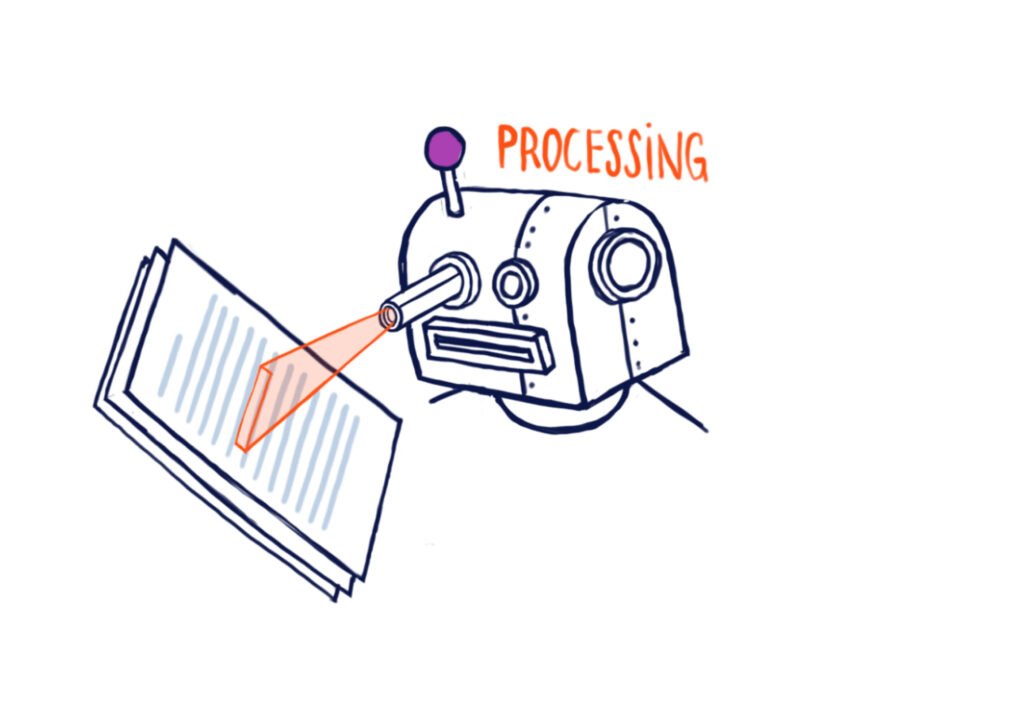
An AI detector tool examines characteristics within written language and looks for patterns associated with machine-generated text. These may include predictable phrasing, sentence structures, repetition, and other statistical signals.
A Score Needs Context
One of the easiest mistakes is treating a detection score as a final verdict. A high score does not automatically establish how a piece of writing was created, just as a low score does not prove that every sentence came directly from a person.
Human writing can sometimes appear highly predictable, particularly when it is formal, heavily edited, translated, or written in a straightforward academic style. Meanwhile, AI-assisted writing may contain substantial human editing and personal input.
That is why an AI detector is better viewed as a signal for further review rather than a replacement for judgment.
Where AI Detectors Can Be Useful
The value of detection often depends on the situation in which it is used.
For educators, an AI detector can encourage a closer conversation about how an assignment was developed. Instead of focusing only on a percentage, teachers can consider drafts, research notes, writing history, citations, and the student’s ability to explain the work.
Content teams can use detection as part of editorial quality control. If a draft feels unusually repetitive or lacks a clear point of view, detection can prompt an editor to examine the writing more closely.
Writers Can Use Detection Differently
Writers themselves may also benefit from checking their work. A result can encourage them to revisit passages that sound overly uniform or impersonal. The goal should not be to manipulate a detector, but to make the writing clearer, more distinctive, and more genuinely useful to its intended audience.
Isgen can fit into this kind of review process by giving writers another perspective on their text before publication or submission.
Good Writing Still Matters More Than a Score
There is an important distinction between making content appear human and actually making it valuable.
Google’s current guidance emphasizes people-first content that offers original information, meaningful analysis, accuracy, and a satisfying experience. It also warns against producing large amounts of low-value content primarily to influence search rankings.
That principle matters when working with AI as well. Editing a sentence simply because a detector highlighted it is not necessarily an improvement. Replacing it with clearer language, adding firsthand insight, checking facts, and removing unnecessary filler usually creates a much stronger result.
Use Detection as Part of a Bigger Review
A thoughtful workflow might involve checking the facts, reviewing the structure, examining the originality of the ideas, and then using an AI detector as one additional signal.
This approach keeps technology in its proper place. Detection can raise questions, but human judgment still has to answer them.
The Real Goal: Writing People Want to Read
AI detectors are becoming part of a broader conversation about authorship, originality, and trust. But the most useful question is not simply whether a piece of text receives a particular score.
The better question is whether the writing has something worthwhile to say.
Strong content carries a clear purpose, useful information, a recognizable point of view, and enough originality to give readers a reason to stay. An AI detector can provide another perspective during that process, but the final standard should remain much bigger than a number: Does this writing genuinely help someone?
That is where responsible AI-assisted writing and people-first content meet.
For More Relevant Information: Click here