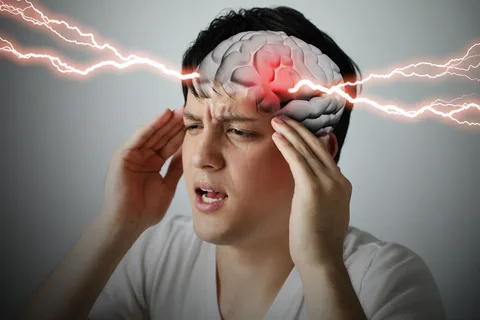
Stress-related chronic pain may develop through a complex connection between prolonged psychological strain and physical responses within the body. Ongoing stress can influence physiological processes that affect how discomfort is experienced, potentially contributing to persistent symptoms that interfere with everyday activities and overall quality of life. In some cases, chronic pain associated with stress may occur without a clear injury or identifiable physical condition, as sustained stress responses can alter the body’s perception and persistence of discomfort. Muscle tension, hormonal fluctuations, and increased sensitivity to painful sensations can all contribute to this relationship. Recognising these connections can provide greater insight into how prolonged stress may affect physical well-being and the broader factors involved in addressing persistent pain.
Exploring the Physical Effects of Persistent Stress on Pain
Stress related chronic pain can involve a continuing connection between emotional strain and physical reactions throughout the body. Persistent discomfort does not always result from a specific injury or medical condition, as prolonged activation of stress responses may influence muscular tension and the way the nervous system interprets pain signals. Continued psychological pressure can therefore contribute to physical sensations that remain present even when no obvious source of injury can be identified.
Areas including the neck, shoulders, back, and head may become particularly affected when muscles remain tense during extended periods of stress. Hormonal changes associated with sustained stress can also influence sensitivity to physical sensations and modify how discomfort is perceived. Stress related chronic pain may consequently involve several overlapping physical and emotional influences instead of developing from one clearly defined factor.
Extended stress responses can also interfere with sleep, energy levels, and general wellbeing, potentially making existing discomfort harder to manage. Recognising these relationships provides a broader understanding of chronic pain by considering the interaction between physical responses, emotional pressures, and everyday wellbeing. Such an approach can help place persistent discomfort within the wider context of ongoing stress and its effects on the body.
Physiological Changes Associated with Long-Term Stress
Stress activates several physiological systems that prepare the body to respond to perceived threats, pressure, or demanding situations. The hypothalamic-pituitary-adrenal (HPA) axis plays an important role in this process, alongside hormones such as cortisol and adrenaline. These responses can be beneficial when stress is temporary, but prolonged activation may interfere with normal regulation and contribute to changes across several bodily functions.
Continued exposure to stress hormones may be associated with muscle tension, altered inflammatory activity, and changes in immune responses. Stress can also influence how the nervous system processes pain signals, potentially increasing sensitivity to particular physical sensations. Over time, these responses may contribute to discomfort affecting the neck, shoulders, back, or other areas, together with tiredness and general physical unease.
Persistent stress may additionally influence blood vessel activity and contribute to headaches or greater awareness of existing discomfort. These responses demonstrate that prolonged psychological strain can affect multiple physiological processes rather than remaining limited to emotional experiences. The resulting physical changes may contribute to conditions in which recurring aches or existing pain become increasingly noticeable during periods of sustained stress.
Physical Symptoms Commonly Associated with Stress
Stress can produce a variety of physical sensations, some of which may appear without an immediately apparent physical explanation. Muscle tension is common around the shoulders, neck, and back, where prolonged contraction can contribute to stiffness, soreness, and restricted movement. Tension headaches may similarly develop when muscles surrounding the head and neck remain contracted for extended periods. More widespread aches can also occur and may resemble symptoms associated with other persistent pain conditions.
Digestive changes may accompany prolonged stress, with some people experiencing stomach discomfort or symptoms resembling irritable bowel problems as stress influences normal digestive activity. Jaw pain can also develop when repeated clenching or teeth grinding occurs during periods of tension. Ongoing alertness may contribute to fatigue when the body remains under sustained pressure. Stress can also increase attention toward existing discomfort, causing established symptoms to become more noticeable during emotionally demanding situations.
Biological Pathways Linking Stress with Persistent Pain
The relationship between prolonged stress and chronic pain can involve several neurological, hormonal, and physiological processes. Stress responses can affect the central nervous system and influence activity within pathways responsible for processing pain. Central sensitization is one process that may increase the responsiveness of these pathways, potentially causing ordinary or existing sensations to be experienced with greater intensity.
Cortisol and adrenaline contribute to the body’s stress response, while prolonged changes in these hormones may influence inflammatory activity and natural pain-regulation processes. Continued stress can also affect the autonomic nervous system, producing physiological changes that may contribute to greater sensitivity or intensify existing discomfort.
Brain regions including the amygdala and prefrontal cortex also participate in emotional regulation and pain processing, meaning prolonged stress may influence how physical sensations are interpreted. The interaction of these neurological, hormonal, and physiological mechanisms helps explain why stress related chronic pain can have several contributing influences. Recognising these connections provides a broader framework for understanding persistent pain and the factors that may affect its experience.
Recognising Triggers That May Increase Stress-Related Chronic Pain
Identifying circumstances associated with stress-related chronic pain requires attention to the relationship between emotional strain and changes in physical discomfort. Workplace pressures, relationship concerns, and major personal changes can increase psychological stress and may coincide with greater pain intensity. Environmental factors, such as ongoing noise or demanding surroundings, can also contribute to muscular tension. Noticing when symptoms change in relation to particular situations can help reveal recurring patterns.
Prolonged sitting or standing may further influence discomfort, particularly when stress causes muscles to remain contracted for extended periods. Recording daily activities, emotional experiences, routines, and changes in pain levels can provide useful insight into possible relationships between specific circumstances and physical symptoms. Repetitive behaviours, including jaw clenching and sustained muscle tightening, may also contribute to discomfort when they occur frequently during periods of prolonged stress.
Everyday Habits that Can Influence Stress-Related Discomfort
Daily lifestyle patterns may affect stress related chronic pain by influencing both the occurrence and perceived intensity of symptoms. Regular movement and physical activity can support circulation, maintain physical function, and reduce accumulated muscle tension, potentially providing relief from certain forms of discomfort.
Planned exercise and gentle movement throughout the day can also help the body respond to periods of stress. A balanced diet containing vegetables, fruits, whole grains, and other nutrient-rich foods can support general health and normal bodily functions. Adequate fluid intake is similarly important, as insufficient hydration may contribute to muscle tightness and physical discomfort.
Organised routines and practical time management may help reduce unnecessary daily pressure and limit prolonged stress responses. Reading, creative pursuits, and enjoyable hobbies can provide opportunities to mentally disengage from demanding situations and encourage relaxation. Maintaining these habits consistently can form part of a broader lifestyle approach to managing stress-related physical discomfort.
Maintaining Emotional Balance alongside Physical Pain Care
Emotional well-being can form an important part of managing stress related chronic pain because psychological experiences may influence physical responses and sensitivity to discomfort. Ongoing emotional strain can increase awareness of existing symptoms, potentially making persistent pain feel more prominent or difficult to manage.
Experiences involving anxiety, low mood, or prolonged emotional pressure may also influence how the nervous system processes pain signals. Mindfulness practices and cognitive-behavioral techniques can provide structured ways to manage stress and develop calmer responses to challenging experiences, which may influence how physical discomfort is experienced.
Building emotional resilience can help individuals respond to everyday pressures without continually activating stress-related physical responses. Recognising emotional reactions and developing constructive coping methods may support a more balanced relationship between psychological experiences and physical symptoms. Addressing emotional well-being alongside appropriate physical care can therefore contribute to a broader approach to persistent stress-related discomfort.
Approaches for Reducing Stress-Related Muscle Tension
Managing physical discomfort associated with stress can involve relaxation practices and regular activities that encourage calmer physical and emotional responses. Progressive muscle relaxation gradually tightens and releases selected muscle groups, which may help lessen accumulated muscular tension. Controlled breathing methods, including diaphragmatic breathing, can also encourage relaxation by supporting a slower and calmer physiological response during periods of stress.
Mindfulness meditation can encourage greater awareness of thoughts and sensations while reducing the influence stressful experiences may have on perceived discomfort. Gentle stretching and yoga movements can support flexibility and help ease stiffness associated with sustained muscle tension. Other activities, including journaling, listening to music, or engaging in creative interests, can provide useful opportunities for mental relaxation. Incorporating suitable practices into everyday routines may support more effective management of stress-related physical discomfort.
Sleep Quality and Its Influence on Persistent Pain
Restful sleep can play an important role in managing stress related chronic pain by allowing the body time to recover and regulate physiological processes. During restorative sleep stages, the body carries out processes associated with tissue repair while also regulating hormones involved in stress responses and pain perception. Consistent, sufficient rest can therefore contribute to physical recovery and general wellbeing.
Insufficient or interrupted sleep may increase sensitivity to discomfort because inadequate rest can affect the nervous system’s ability to regulate pain responses effectively. Poor sleep may also contribute to greater muscle tension and changes in inflammatory activity, potentially making persistent discomfort more noticeable. Maintaining consistent times for going to bed and waking can help establish a stable sleep routine and encourage more restorative rest.
The bedroom environment can further affect sleep quality, with comfortable temperatures and reduced noise helping create conditions that support uninterrupted rest. Calming activities before bedtime may reduce mental stimulation and help prepare the body for sleep. Developing consistent sleep habits can therefore contribute to a broader strategy for managing persistent discomfort associated with prolonged stress.
Physical Therapy for Improving Chronic Pain Function
Physical therapy can provide an individualised approach to chronic pain management by focusing on movement, strength, flexibility, and physical function. Targeted exercises can address areas affected by discomfort while helping reduce stiffness and improve mobility. Stretching, manual techniques, and controlled movement exercises may also help release muscular tension and encourage improved alignment during everyday activities.
Education is another component of physical therapy, with guidance about posture and body mechanics helping reduce unnecessary strain that could contribute to recurring discomfort. Hydrotherapy can provide an additional option through controlled exercises performed in water, where reduced pressure on the joints may make gentle movement easier while supporting gradual physical conditioning.
Physical therapy can also address secondary effects associated with persistent pain, such as reduced endurance, weakness, and limited range of movement. Gradually increasing physical activity can support sustainable improvements without placing excessive demands on affected areas. This personalised approach demonstrates how structured physical interventions can assist functional recovery while supporting the management of ongoing pain.
Conclusion
Addressing stress-related chronic pain may require consideration of the connections between sustained stress, emotional responses, and physical reactions. Managing persistent discomfort can therefore involve attention to both bodily symptoms and factors linked with emotional pressure. Regular activity, nutritious eating, relaxation methods, and suitable therapeutic support may contribute to broader pain-management approaches. Stress-reduction practices can also encourage emotional resilience and more constructive responses to continuing discomfort. Recognising the relationship between stress and pain can help inform practical strategies for supporting ongoing well-being.
FAQs
What is meant by stress-related chronic pain?
Stress-related chronic pain describes ongoing discomfort that may be associated with extended periods of stress. Persistent stress can contribute to physical tension and influence how the body and nervous system process sensations of pain.
In what ways can prolonged stress influence pain sensitivity?
Extended stress can affect nervous system activity, muscular tension, hormonal processes, and the processing of pain signals. These responses may increase sensitivity to discomfort or make existing pain seem more pronounced over a prolonged period.
Which physical symptoms can occur with stress-related pain?
Stress-related pain may involve muscle tension, headaches, discomfort around the neck or shoulders, back pain, jaw tightness, and other physical sensations. Prolonged physiological stress may also be associated with changes affecting digestion.
Can lifestyle practices help manage pain associated with stress?
Regular exercise, nutritious food choices, sufficient rest, and relaxation activities may support general health during periods of sustained stress. These habits can complement wider approaches to managing discomfort while helping maintain physical resilience and overall well-being.
What connection exists between emotional well-being and chronic pain?
Emotional well-being can affect stress responses and the way physical discomfort is experienced. Appropriate coping methods, relaxation practices, and professional support may complement broader management strategies for symptoms associated with stress-related chronic pain.
Which non-invasive methods can support stress-related pain management?
Gentle stretching, mindful practices, controlled breathing, light movement, and relaxation techniques may offer non-invasive ways to address physical and emotional tension. These methods can complement broader pain-management approaches while promoting relaxation and general well-being.
| Related Business Listings |
| Contact Directory |
| Local Business Profiles |