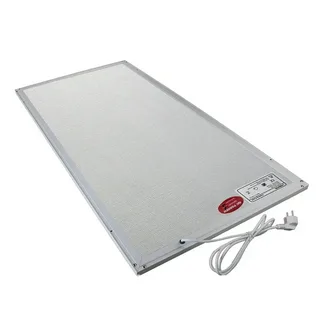
Infrared heating panels utilise advanced heating technology to deliver warmth through radiant heat. This method involves emitting infrared waves that heat objects, surfaces, and individuals directly, rather than warming the surrounding air. The technology ensures consistent and targeted heat distribution, making it an efficient option for various spaces. With their slim profiles and modern designs, these panels can integrate seamlessly into diverse settings, offering both functionality and aesthetic appeal. Their energy-efficient nature has also contributed to growing interest, particularly in applications where reducing energy consumption is a priority. The versatility of infrared thermal panels enables their installation in residential, commercial, and industrial environments, offering an innovative solution for modern heating needs. Through advanced design and efficient performance, they represent a practical alternative to traditional heating systems, addressing both energy efficiency and heating effectiveness.
Understanding Infrared Heating
Infrared heating operates on the principle of radiant heat, transferring energy as infrared waves. These waves directly warm objects, surfaces, and individuals within their path, bypassing the need to heat the surrounding air. This method provides efficient, consistent warmth because heat is absorbed and retained by solid materials.
Unlike conventional systems, which can create uneven temperatures due to air circulation, infrared heating provides targeted comfort without energy loss caused by air movement. The technology mirrors natural heat sources, such as sunlight, offering a gentle yet effective solution.
Additionally, the absence of reliance on air currents reduces the spread of allergens and dust, making it better suited to maintaining healthier indoor environments. This advanced heating approach supports energy efficiency while delivering uniform warmth across various spaces and applications.
Energy Efficiency of Infrared Panels
Infrared panels operate with high energy efficiency, converting nearly all the electricity they consume into radiant heat. This efficient process ensures that energy is directed towards warming objects and individuals, rather than wasting energy on heating the surrounding air. The targeted heating reduces unnecessary energy use, making it a practical choice for those aiming to optimise heating efficiency.
Additionally, the consistent and direct warmth provided by these panels reduces heat loss, which is often associated with conventional heating systems. Their efficient design aligns with efforts to lower energy consumption and minimise environmental impact. This makes them a favourable option for those seeking a sustainable and effective heating solution without compromising performance.
Installation of Heating Panels Infrared
The process of installing heating panels infrared begins with evaluating the space to determine suitable placement and the number of panels required. Factors such as room dimensions, insulation quality, and the positioning of existing furniture or fixtures play a crucial role. Panels are commonly mounted on walls or ceilings to ensure optimal heat distribution.
Professional installation is often recommended, particularly for electrical connections, to ensure compliance with safety standards and local regulations. Proper alignment and secure mounting are essential to maximise efficiency and maintain consistent performance.
Additionally, manufacturers’ installation guidelines should be followed to ensure compliance and avoid potential issues. When installed correctly, infrared thermal panels can deliver effective, reliable heating tailored to a space’s specific requirements.
Cost Effectiveness
The cost effectiveness of infrared thermal panels lies in their ability to reduce long-term heating expenses through energy efficiency and low maintenance requirements. By directly converting electricity into radiant heat, they minimise energy wastage, resulting in lower utility bills. Their durability further reduces costs, as these panels typically have a longer lifespan than traditional heating systems. Maintenance needs are minimal, reducing ongoing upkeep costs.
Additionally, their ability to provide consistent, targeted heating ensures optimal energy use and avoids unnecessary expenditure. Over time, the initial investment in infrared thermal panels can yield significant financial benefits, making them a practical choice for those aiming to manage heating costs effectively while maintaining comfort in various settings.
Health Benefits
Infrared thermal panels contribute to healthier indoor environments by operating without air circulation, minimising the spread of dust, allergens, and other airborne particles. This feature can be particularly advantageous for individuals who are sensitive to allergens or have respiratory conditions, as it promotes cleaner air.
The radiant heat produced by these panels is gentle and consistent, potentially offering therapeutic benefits. This type of heat can help improve blood circulation and may help relieve muscle stiffness or tension. Infrared heating also avoids the drying effect often associated with traditional heating methods, helping to maintain comfortable humidity levels within indoor spaces. These qualities make infrared thermal panels a suitable option for creating a healthier and more comfortable living or working environment.
Design and Aesthetics
Infrared thermal panels are crafted to complement a variety of interior designs, offering a combination of functionality and visual appeal. They are often slim and unobtrusive, allowing them to blend seamlessly into modern and traditional spaces alike. Mounted on walls or ceilings, these panels save valuable floor space and contribute to a clean, organised appearance.
Certain models feature customisable finishes, enabling them to harmonise with existing decor. Some panels also incorporate artistic elements, transforming them into decorative features while maintaining their primary heating function.
Applications in Different Settings
Infrared thermal panels are adaptable to a wide variety of settings, offering efficient heating solutions for both small and large spaces. In residential environments, they can be utilised in living areas, bedrooms, and bathrooms, providing targeted warmth without occupying floor space. Commercial spaces, such as offices, retail establishments, and hospitality venues, benefit from their energy efficiency and unobtrusive design. Industrial applications include warehouses and production facilities, where their ability to deliver consistent heat in expansive areas is advantageous.
These panels are also used in public facilities, including schools and healthcare settings, where maintaining a comfortable and controlled indoor climate is essential. Their versatility makes them suitable for numerous environments, effectively addressing diverse heating requirements.
Safety Features in Infrared Panels
Infrared panels incorporate several features designed to ensure safe operation in various environments. Many panels are equipped with overheat protection systems that automatically shut off the unit if a specific temperature threshold is exceeded, reducing the risk of overheating. Some models include insulated surfaces or protective casing to minimise the likelihood of accidental burns, making them suitable for spaces with children or pets.
Additionally, these panels are designed to meet rigorous safety standards and adhere to strict regulatory requirements. The absence of exposed heating elements further enhances their safety profile, eliminating risks associated with traditional heating methods. With these features, infrared thermal panels offer a reliable and secure heating solution for residential, commercial, and industrial settings.
Technological Advancements
Recent advancements in infrared heating technology have enhanced the functionality of thermal panels. Innovations such as improved heat-dispersion mechanisms ensure more uniform warmth throughout spaces. Integration with smart home systems has enabled remote operation and precise temperature control, offering greater convenience. Enhanced materials and manufacturing techniques have increased durability and efficiency.
Ongoing research focuses on reducing energy consumption further and incorporating sustainable materials. These developments reflect the continuous evolution of infrared thermal panels, supporting their suitability for modern heating requirements.
Maintenance and Longevity in Radiant Heat Panels
Radiant heat panels are designed with durability in mind and require minimal upkeep to maintain optimal performance. Their construction typically involves few moving components, reducing the likelihood of mechanical wear or failure over time. Regular cleaning, such as removing accumulated dust or debris from the surface, is usually sufficient to ensure efficient operation. Their robust materials and design contribute to an extended lifespan, often surpassing that of many traditional heating systems.
Adhering to manufacturer guidelines for care and use further enhances their longevity and ensures consistent heating performance. The straightforward maintenance requirements of these panels make them a practical choice for long-term heating needs, offering dependable performance without frequent repairs or replacements.
Comparison with Other Heating Systems
Infrared thermal panels differ from traditional heating systems in their operational approach and efficiency. Rather than warming the air, they emit radiant heat that directly warms objects and individuals, ensuring consistent and evenly distributed warmth. Conventional systems often experience energy loss through air circulation, whereas infrared thermal panels minimise wastage by focusing heat where it is needed.
Additionally, their sleek design and flexible mounting options enhance space utilisation, unlike bulky radiators or heating units. The absence of moving parts in infrared thermal panels often results in reduced maintenance requirements compared to other systems. Their efficient energy conversion and targeted heating make them an appealing choice for those prioritising performance and practicality in both residential and commercial settings.
Environmental Impact
Infrared thermal panels contribute to a more sustainable approach to heating by prioritising energy efficiency and reducing unnecessary energy consumption. Their ability to deliver direct radiant heat minimises waste often associated with conventional heating methods, thereby lowering overall energy demands.
This reduction in energy use translates into lower greenhouse gas emissions, supporting environmental preservation efforts. Furthermore, the durable construction of these panels reduces the need for frequent replacements, lessening waste generation.
By integrating advanced technology with sustainable design principles, infrared thermal panels align with goals of minimising environmental impact while maintaining effective, consistent heating performance. Their role in promoting energy-conscious practices makes them a valuable option for individuals and organisations seeking to adopt greener heating solutions.
Conclusion
Infrared heating panels represent an innovative, energy-efficient solution for modern indoor heating across Australia. By emitting direct radiant heat rather than warming air currents, these panels heat surfaces, objects, and occupants directly. This advanced technology eliminates convective heat loss, reduces airborne dust and allergen circulation, and maintains optimal indoor humidity levels. Designed with sleek, space-saving profiles, infrared thermal panels mount effortlessly onto walls or ceilings, seamlessly blending with contemporary architecture. Their zero-maintenance design, long operational lifespan, smart home compatibility, and superior energy conversion make infrared thermal panels an eco-friendly, cost-effective, and highly effective choice for residential, commercial, and industrial climate control.
FAQs
How do Infrared heating panels differ from traditional convection heaters?
Infrared heating panels emit radiant waves that directly warm solid objects, walls, and people within a room, without relying on air movement. Traditional convection heaters warm surrounding air, which rises and creates draughts, leading to uneven room temperatures and heat loss. Radiant heating retains warmth within building structures for significantly longer periods.
Can infrared thermal panels help reduce energy bills?
Yes, infrared thermal panels convert virtually all consumed electricity into direct radiant heat, preventing thermal energy loss associated with air circulation. Because solid surfaces retain heat better than air, rooms stay warm using lower power settings. This direct heating efficiency lowers overall electricity consumption and yields substantial long-term savings on utility bills across Australia.
Are infrared thermal panels safe for asthma and allergy sufferers?
Yes, infrared thermal panels are highly beneficial for individuals with allergies or respiratory conditions. Because they do not rely on fans or air circulation to distribute heat, they do not kick up dust, pet dander, or airborne allergens. Additionally, radiant heat helps keep walls dry, preventing mould and mildew growth.
Where is the best location to install an infrared panel?
Infrared thermal panels perform best when wall-mounted or ceiling-mounted with an unobstructed line of sight to the living or working area. Ceiling mounting is particularly effective as it keeps floor space clear, provides even, downward radiant distribution, and prevents physical obstructions from blocking the direct emission of infrared heat rays.
Do infrared thermal panels require ongoing maintenance?
No, infrared thermal panels require virtually no ongoing mechanical maintenance. Built with solid-state technology and no moving parts, motors, or internal liquids, they are not susceptible to wear and tear. Simply wiping down the panel surface periodically with a dry, soft cloth to remove ambient dust maintains optimal heating efficiency and aesthetic appeal.
| Related Business Listings |
| Contact Directory |
| Local Business Profiles |