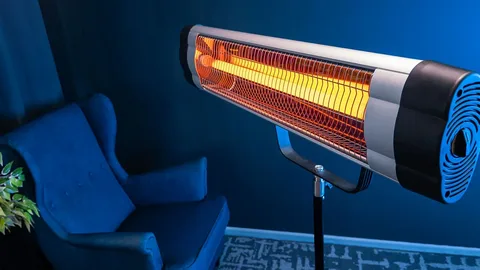
Cold tiles and chilly air can make early mornings in the bathroom less comfortable during winter. An infrared bathroom heater delivers radiant warmth directly to people and nearby surfaces, helping reduce the initial chill without depending mainly on heated air circulating throughout the room. This targeted approach can provide comfort during short routines such as showering or getting ready for the day. Depending on the model and placement, an infrared heater can suit different bathroom layouts. Selecting equipment designed for bathroom use and installing it appropriately helps support convenient, comfortable heating in colder conditions.
The Process behind Infrared Heat Transfer
Infrared thermal heaters generate radiant energy that warms people, objects, and surfaces within their effective range. Rather than relying mainly on convection to heat the air first, these systems transfer energy directly to nearby targets. The effect is similar to the warmth felt in sunlight, providing comfort without depending on continuous air movement. Many models also operate quietly because they use few or no moving parts.
This direct transfer of heat can make infrared systems useful in spaces where warmth is needed in particular areas rather than throughout an entire room. By focusing energy on occupied zones and nearby surfaces, they can provide localised comfort without requiring the same approach as whole-room air heating.
Practical Benefits of Radiant Infrared Heating Systems
Radiant infrared heaters offer several features that can suit residential and commercial spaces. Their direct heating method allows occupants and nearby surfaces to receive warmth without relying entirely on air circulation. When heating is directed towards occupied areas, it may reduce the need to heat unused sections of a room, depending on the layout and how the system is operated.
The absence of forced-air circulation can also reduce the movement of dust caused by a fan-based heating system. Quiet performance may be beneficial in bedrooms, workspaces, and other areas where minimal background noise is preferred. With different designs available, infrared heaters can complement a range of interiors while providing targeted warmth during colder periods.
Improving Bathroom Warmth with Radiant Heat
Bathrooms often require convenient heating during brief periods of use, especially on cold mornings or after bathing. Infrared thermal heaters direct radiant energy towards occupants and nearby surfaces, creating a sense of warmth without relying exclusively on gradually heating all the surrounding air. This can make radiant heating useful when comfort is needed in a specific part of the bathroom.
The most suitable configuration depends on room dimensions, available mounting positions, and the intended heating coverage. Compact wall-mounted or ceiling-mounted models may help preserve usable space in smaller bathrooms. Choosing a heater specifically rated for the installation environment, with suitable positioning and professional fitting where required, helps provide practical warmth while addressing bathroom safety considerations.
Installation Requirements for Safe Infrared Heating
Safe installation of infrared thermal heaters requires attention to the room layout, electrical connections, and the conditions surrounding the unit. Bathrooms need particular care because moisture and water exposure can affect electrical equipment. Heater placement should comply with applicable bathroom electrical zones, required clearances, and manufacturer specifications while directing warmth towards the intended area.
A qualified installer can assess mounting surfaces, wiring requirements, and the suitability of the selected model. Secure mounting and appropriate electrical protection are essential parts of the installation process. Following relevant regulations and product instructions helps reduce avoidable risks and supports reliable operation. Careful planning before installation can also improve heating coverage and ensure the equipment suits the bathroom environment.
Infrared Thermal Heater Styles for Different Interiors
Infrared thermal heaters come in several formats to accommodate different room layouts and heating preferences. Wall-mounted panels can provide targeted warmth without using floor space, while ceiling-mounted options keep the equipment away from frequently used surfaces. Portable models may offer greater flexibility in suitable indoor settings, although bathroom use depends on the product’s specific safety rating and intended application.
Appearance is another factor when comparing available designs. Slimline panels can blend into contemporary interiors, while alternative finishes and decorative styles may suit different design preferences. Selecting a configuration involves considering heating requirements, available space, installation conditions, and visual appeal. This range of options makes it possible to find a practical infrared heating arrangement for different indoor environments.
Protective Functions for Safer Infrared Heater Operation
An infrared heater may include built-in safeguards designed to help maintain controlled and reliable operation. Overheat protection is available on many models and can automatically shut down the unit if internal temperatures exceed specified limits. Certain portable heaters also feature tip-over switches that interrupt operation if the appliance falls or is accidentally displaced. Protective grilles may provide an additional barrier around hot components.
Heat-resistant materials and robust construction can further support safe everyday use. Models intended for bathrooms should have an appropriate water-resistance rating for their installation location and comply with relevant electrical safety requirements. Using these protective features alongside correct installation, suitable positioning, and manufacturer guidance helps reduce potential hazards while supporting dependable heating.
Optimising Electricity Consumption through Infrared Heating
The amount of electricity used by infrared thermal heaters is influenced by factors such as wattage, operating time, room dimensions, and the level of warmth required. Because these systems direct radiant energy towards surfaces and occupants rather than relying mainly on heated air, they can deliver focused warmth to selected areas. This targeted approach may reduce unnecessary energy use where only particular sections of a room need heating instead of the entire space.
Selecting a heater with an appropriate power output for the intended area can help balance heating performance with electricity consumption. The ability to operate heating within defined locations may also contribute to more control running costs, making infrared systems a practical choice for residential and commercial spaces where efficient temperature management is important.
Indoor Comfort and Wellbeing with Radiant Warmth
Infrared thermal heaters can make indoor spaces feel more comfortable by delivering direct warmth without relying on continuous forced-air movement. This approach may reduce the circulation of dust associated with fan-driven heating, although it does not remove airborne pollutants or replace appropriate ventilation. People with respiratory concerns should continue to follow relevant medical advice rather than relying on a heating system to address health conditions.
The gentle sensation of radiant warmth may also help create a more relaxing atmosphere when indoor temperatures are low. Heating specific areas can improve perceived comfort during colder periods without necessarily warming every part of a room. Individual preferences differ, so maintaining moderate temperatures and following the equipment’s operating instructions remain important for comfortable and safe use.
Environmental Considerations When Using Infrared Heaters
Infrared thermal heaters direct energy towards people and nearby surfaces, which may be useful when warmth is needed in a particular area rather than throughout an entire building. Using a heater only where and when required can help manage electricity consumption. Where available, electricity generated from renewable sources can also reduce the emissions associated with powering electric heating equipment.
These heaters do not produce direct combustion emissions inside the room during normal electric operation, unlike fuel-burning appliances. However, their overall environmental footprint depends on several factors, including the source of electricity, energy consumption, manufacturing, and product lifespan. Selecting an appropriately sized model and using it according to actual heating needs can support more considered energy management.
Infrared Thermal Heater Maintenance Tips
Regular upkeep is essential to ensure the efficient operation and longevity of an Infrared thermal heater. Cleaning the surface periodically with a soft cloth helps prevent dust accumulation, which can obstruct heat dissipation. It is also important to inspect the heater’s components, such as electrical connections, for any signs of wear or damage. Ensuring that vents and surrounding areas remain unobstructed promotes proper airflow and prevents overheating.
For heaters installed in humid environments, such as bathrooms, checking for signs of corrosion is advisable. Adhering to the manufacturer’s maintenance guidelines ensures that the heater continues to function effectively, providing reliable warmth. Taking these steps helps maintain optimal performance while enhancing safety and energy efficiency in daily use.
Common Questions and Misunderstandings about Infrared Heating
Some assumptions about infrared thermal heaters can lead to confusion about their suitability and performance. For example, these systems are not automatically unsuitable for larger rooms; the results depend on the heater’s output, placement, and the area being heated. Similarly, while nearby surfaces can become warm, suitable equipment incorporates controls and safety features intended to manage operating temperatures when used correctly.
Running costs are another frequent concern. Actual electricity use depends on the unit’s wattage, how long it operates, local electricity rates, and the conditions of the space. Infrared heaters can be useful for targeted heating, but they are not automatically cheaper to run in every situation. Comparing specifications and expected usage provides a more realistic basis for assessing performance, safety, and suitability.
Conclusion
An infrared bathroom heater offers a practical way to improve bathroom comfort during colder Australian mornings. Using radiant energy, it directs warmth towards people and nearby surfaces rather than relying mainly on heated air circulation. Rapid heat delivery, quiet operation, and space-saving designs can suit bathrooms with limited room for conventional heating equipment. Selecting a model with appropriate moisture protection and arranging safe installation are essential considerations. When powered by suitable household solar generation, infrared thermal heaters may also complement broader efforts to manage residential electricity use.
FAQs
How does an infrared bathroom heater differ from conventional air heating?
An infrared bathroom heater directs radiant energy towards people, fixtures, and surrounding surfaces, whereas air-based heating primarily warms the air within a room. This approach can deliver focused warmth where it is needed without depending entirely on air circulation. The different heating methods affect how warmth reaches occupants and how it spreads throughout the bathroom.
Are infrared thermal heaters appropriate for damp bathroom environments?
Infrared thermal heaters designed for bathroom installation may include moisture protection indicated by an appropriate Ingress Protection rating. Safe positioning away from direct water exposure and compliance with relevant electrical requirements are also important. Choosing a model specifically rated for the intended location and ensuring correct installation can help support reliable use in humid conditions.
Can infrared thermal heaters help limit the movement of airborne allergens?
Infrared thermal heaters typically provide radiant warmth without using a fan to distribute heated air. As a result, they generally create less forced air movement than fan-based heating systems, which may circulate dust and pollen. However, these heaters do not filter or eliminate airborne allergens; their main function remains providing warmth through radiant energy.
Is it possible to operate infrared thermal heaters using home solar power?
Infrared thermal heaters can use electricity generated by residential solar panels when the available supply and system configuration are suitable. Solar power may cover part of their energy demand, depending on generation levels and the timing of heater use. Overall savings depend on factors such as power consumption, operating duration, solar output, and household electricity requirements.
| Related Business Listings |
| Contact Directory |
| Local Business Profiles |