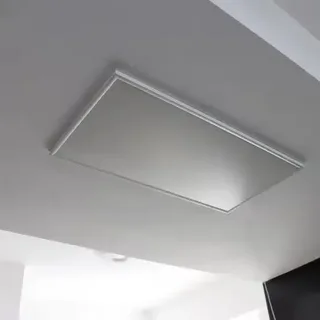
Heating systems do not always need to occupy wall areas or reduce available floor space to deliver warmth. Infrared technology produces radiant heat that warms people, objects, and nearby surfaces directly instead of depending entirely on heated air circulating throughout a room. This provides another way to maintain indoor comfort while accommodating modern layouts and space limitations. Mounted overhead, infrared ceiling panels can integrate into residential and commercial interiors without adding bulky wall-mounted equipment. Their discreet installation and radiant heating method suit areas where efficient space use and a tidy appearance are priorities.
Why Overhead Heating Is Becoming a Popular Choice
Ceiling-mounted heating panels are attracting interest for their ability to provide warmth while preserving usable floor and wall areas. Positioned above the room, they avoid obstructing furniture arrangements or everyday movement, making them a practical consideration for spaces where functionality and an open layout are important.
Their understated appearance allows them to fit into a range of settings, from modern residences to offices and commercial interiors. Growing attention to household energy use has also increased interest in heating options that provide warmth without unnecessary consumption. Ceiling panels offer an alternative through radiant heat, with performance depending on the room layout, insulation, and heating requirements.
The preference for streamlined interiors further supports their appeal. With equipment installed overhead, lower areas remain available for furniture, storage, and other activities. This combination of unobtrusive placement and practical heating makes ceiling-mounted panels worth considering for many indoor environments.
The Science behind Infrared Ceiling Panel Heating
Infrared ceiling panels emit radiant energy that travels towards people, furnishings, and surfaces within the heating area. Unlike systems that depend largely on convection to warm circulating air, these panels transfer heat directly to objects and occupants in their path. This method can provide a different pattern of warmth, depending on panel placement, room dimensions, and the surrounding surfaces.
Once absorbed, the energy warms the exposed surfaces and occupants, contributing to the room’s overall thermal comfort. Because infrared heating does not require a fan to distribute heat, it may cause less air movement than forced-air systems. The resulting experience depends on factors such as panel output, coverage, insulation, and the arrangement of the space.
Managing Electricity Use with Ceiling-Mounted Heating Panels
Ceiling heating panels use electrical energy to generate radiant warmth, directing heat towards selected areas rather than relying exclusively on warming the air throughout a room. This can be advantageous where occupants need warmth in a defined space, although overall efficiency depends on the building, heating schedule, and system design. Correctly positioning panels helps ensure that the intended areas receive suitable coverage.
Electricity costs are influenced by panel wattage, operating duration, insulation quality, and the temperature setting. In suitable circumstances, targeted heating may reduce the need to warm unused areas, supporting more controlled energy use. Comparing the panels’ output with the room’s heating requirements is important when assessing potential running costs.
Their overhead installation also leaves space available for other uses and may reduce the need for additional heaters in certain layouts. As radiant panels work differently from air-based systems, their suitability depends on the room and the comfort needs of its occupants. Careful selection and operation can help balance warmth with responsible electricity consumption.
Residential and Commercial Uses for Infrared Ceiling Panels
Infrared ceiling panels can accommodate a variety of indoor heating requirements across residential and commercial properties. At home, they may be installed in living rooms, bedrooms, bathrooms, or other suitable areas where overhead heating fits the room’s layout. Their radiant output can be useful for designated occupied zones, provided panel capacity and positioning match the space.
Offices, meeting rooms, retail premises, and hospitality venues may also use ceiling-mounted panels to maintain comfortable indoor conditions without placing heaters along walls or on the floor. Their unobtrusive installation can complement existing furnishings and interior arrangements while keeping movement areas clear.
In warehouses and industrial facilities, selected workstations or occupied zones may benefit from targeted radiant heating where warming the entire air volume is impractical. Appropriate panel placement can focus warmth on particular areas instead of heating every part of a large building. The final design should account for ceiling height, exposure, safety requirements, and the level of heating needed for each application.
Matching Ceiling Heating Panels to Interior Design
Ceiling heating panels can be incorporated into different interior schemes through thoughtful placement and suitable product selection. Their overhead position allows them to remain less prominent than many conventional heaters, while available sizes and configurations can accommodate varied room dimensions. Ceiling heating panels may suit interiors where heating equipment needs to complement the existing architectural layout. Depending on the product and ceiling structure, installation may also coordinate with ceiling tiles or other design elements.
Keeping heating equipment above the occupied area preserves lower wall and floor space for furniture, storage, and everyday movement. This flexibility can be especially useful in smaller rooms or multipurpose environments where layouts need to remain adaptable. Unlike floor-standing units and wall-mounted radiators, overhead panels generally avoid creating additional obstacles at ground level.
Their simple visual profile can also work well in open-plan spaces where a consistent interior appearance matters. With appropriate placement and installation, ceiling panels can provide heating while allowing the room’s furnishings and architectural features to remain the main visual focus.
Supporting Indoor Comfort with Infrared Ceiling-Panels
Infrared ceiling-panels can help maintain comfortable indoor conditions by providing radiant warmth without relying mainly on continuous air circulation. Since infrared heating transfers warmth directly to surfaces and objects, it can reduce the amount of airborne movement associated with convection-based heating. This feature may help minimise the circulation of dust and other particles, potentially contributing to a more comfortable indoor atmosphere.
The gentle radiant warmth generated by infrared technology can also help maintain comfortable indoor conditions without producing excessive airflow. Consistent heat distribution may reduce noticeably colder areas and establish a more balanced temperature throughout the room. These characteristics can support overall physical comfort, particularly in spaces where steady and unobtrusive warmth is preferred.
Simplified Installation for Infrared Ceiling-Panels
Infrared ceiling-panels can be installed across different ceiling structures and room layouts, offering flexibility for varying architectural requirements. Depending on the property, panels may be mounted onto plasterboard ceilings, suspended ceilings, or integrated into customised ceiling arrangements. Installation generally requires securely mounting the panel and connecting it to the suitable electrical supply, allowing the system to be introduced without major structural modifications. This makes the technology appropriate for both new buildings and existing properties.
Ceiling installation is especially beneficial where wall and floor areas are restricted, as overhead positioning avoids interfering with furniture and other interior elements. It can also minimise the need for additional equipment such as radiators or extensive ducting. Suitable panel placement can help distribute warmth effectively across the intended area, while multiple units can be positioned across larger rooms or separate heating zones based on specific requirements.
Routine Maintenance for Long-Lasting Infrared Ceiling Panels
Infrared ceiling panels are typically built for ongoing use, with routine care focused on keeping their surfaces clean and checking their condition. Removing dust and accumulated debris can help maintain the panels’ appearance and unobstructed heat output. Where the manufacturer permits, a soft cloth and suitable mild cleaning solution can be used to wipe the surface. Abrasive tools and aggressive chemicals should be avoided to prevent damage to the panel finish.
Periodic inspections can help reveal loose fittings, visible deterioration, or other signs that require attention. Electrical faults, repairs, and changes to the installation should be handled by qualified professionals rather than attempted without the necessary expertise. Although these panels generally have few moving parts, their mounting arrangements, controls, and electrical components still require appropriate care. Following the manufacturer’s instructions can help support safe operation and consistent heating performance.
Protective Measures Built into Ceiling Heating Panels
Safety provisions in ceiling heating panels can help support dependable operation when the equipment is correctly selected and installed. Depending on the model, temperature-limiting controls or overheat protection may switch the unit off if operating conditions exceed specified limits. These features provide an additional safeguard, although their availability and operation vary between products.
Installing the panels overhead can also keep heating equipment away from routine contact, reducing the chance of accidental knocks or direct contact with warm surfaces. Secure mounting is essential to keep each panel firmly in position, while installation must comply with the manufacturer’s requirements and applicable electrical standards. Suitable placement is particularly important in rooms used by children or pets.
Product construction and protective features differ, so safety should be assessed using the specifications of the chosen model rather than assumed across all panels. Enclosed heating components may reduce direct access to hot elements, while suitable heat-resistant materials can provide additional protection where incorporated into the design. Correct installation, appropriate clearances, and compliance with operating instructions remain important for safe use in residential and commercial interiors.
Conclusion
Infrared ceiling panels offer an overhead heating solution for spaces where an open, streamlined interior layout is preferred. Their ceiling-mounted position preserves wall and floor areas for furnishings, equipment, and daily use while providing radiant heat to appropriately covered zones. The discreet construction suits a range of residential, office, and commercial interiors. When correctly selected and operated, these systems can provide controlled warmth with consideration for energy use. Requiring relatively little routine attention, infrared ceiling panels offer a combination of practical heating, unobtrusive design, and effective space utilisation.
FAQs
What distinguishes ceiling heating-panels from conventional heating systems?
Ceiling heating-panels transfer warmth through radiant energy directed towards people, objects, and surrounding surfaces rather than relying primarily on circulating warm air. This approach can deliver focused heat to selected areas when panel placement and coverage are suited to the room.
Which environments are suitable for infrared ceiling panels?
Infrared ceiling panels can be installed in homes, workplaces, commercial premises, and selected industrial environments. Mounting them overhead preserves accessible wall and floor areas while providing radiant heating for spaces that match the system’s capacity and installation requirements.
How much maintenance do ceiling heating-panels need?
Ceiling heating-panels typically require limited routine care. Removing dust from accessible surfaces and checking the panels periodically for visible wear can help keep them in good condition. Any signs of damage or problems with the installation should be assessed and addressed appropriately.
Are ceiling heating-panels a suitable choice for family households?
Ceiling heating-panels may suit family homes because their elevated position reduces direct contact with the heating unit by children and pets. Their installation also keeps floor areas clear, avoiding the need for freestanding heaters that may occupy space or obstruct movement.
| Related Business Listings |
| Contact Directory |
| Local Business Profiles |