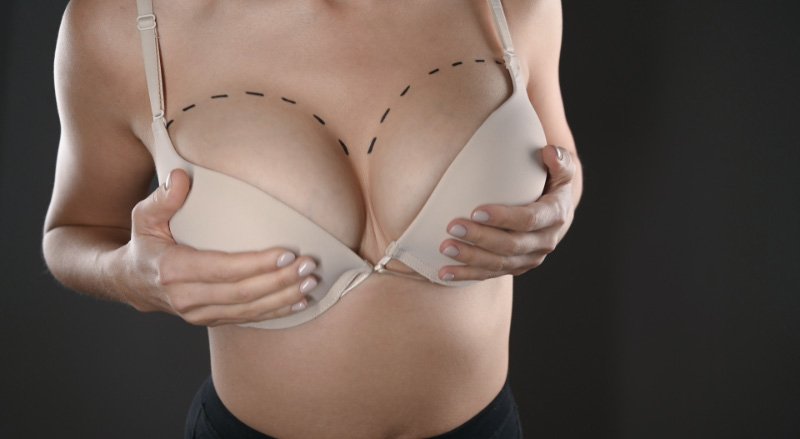
Breast augmentation is a personalised procedure that aims to enhance breast volume while maintaining harmony with the patient’s natural body proportions. Although implant size often receives the most attention, breast shape is equally important when planning surgery. Factors such as breast width, existing volume, skin elasticity, nipple position, chest wall structure, and the natural position of the breast fold all influence which implant may be appropriate.
For individuals considering Breast Augmentation Dubai, understanding how surgeons assess breast shape can help clarify why implant selection involves more than choosing a particular cup size. Two patients requesting similar results may require different implant dimensions or profiles because their natural anatomy differs.
A detailed consultation allows the surgeon to evaluate these characteristics, discuss aesthetic preferences, and develop an individualised treatment plan. The objective is to select implants that complement the patient’s existing anatomy and desired appearance rather than relying on a standard size or shape for everyone.
Why Is Breast Shape Important Before Breast Augmentation?
Breast shape determines how an implant may sit within the existing breast tissue and influence the overall contour. Breast volume alone does not provide enough information to select an implant. A patient with a narrow breast base may need a different implant width from someone with a broader chest, even when both want a similar increase in fullness.
Surgeons consider the relationship between the breasts, chest, shoulders, and torso. They also examine whether the breasts are naturally rounded, elongated, widely spaced, or positioned differently from one another.
These observations help establish realistic aesthetic goals. For example, someone seeking subtle upper-breast fullness may have different implant preferences from a patient who wants a more pronounced, rounded appearance.
The assessment also helps determine whether the desired outcome can be achieved through implant placement alone or whether another surgical approach should be discussed. Careful planning creates a foundation for choosing implants that suit the individual’s anatomy.
How Do Surgeons Evaluate the Natural Breast Shape?
The assessment usually begins with a clinical examination and a discussion of the patient’s concerns. Surgeons examine the breasts from different angles to understand their existing contours, proportions, and structural characteristics.
Breast Width and Base Diameter
Breast base width is one of the key measurements used during implant selection. It refers to the horizontal width of the breast where it meets the chest wall. This measurement helps guide the choice of implant dimensions.
An implant that is too wide for the available breast base may extend beyond the intended boundaries, while one that is too narrow may not provide the desired distribution of fullness. The surgeon therefore considers the width of each breast alongside the patient’s chest dimensions and existing tissue.
Breast width also influences the appearance of cleavage and the distance between the breasts. However, implant selection cannot guarantee a particular cleavage shape because natural breast spacing and chest anatomy play important roles.
Existing Breast Volume and Tissue Distribution
Surgeons assess how much natural breast tissue is present and where that tissue is distributed. Some patients have more fullness in the lower breast, while others have relatively little volume in the upper portion. Breast tissue may also be distributed unevenly between the inner and outer sides.
This information helps the surgeon estimate how an implant may interact with the existing breast contour. A patient with sufficient natural tissue may achieve a different visual result from someone with limited tissue coverage, even when both select implants of similar dimensions.
The assessment also helps establish whether the desired increase in volume is proportionate to the existing breast structure. Rather than focusing exclusively on implant volume, the surgeon considers the overall shape that the implant is intended to support.
Skin Elasticity and Breast Envelope
The breast envelope refers to the skin and soft tissue surrounding the breast. Its elasticity, thickness, and existing degree of stretch can influence implant selection.
During the examination, the surgeon evaluates how the skin accommodates the existing breast volume and how much natural coverage is available. Skin characteristics can affect the implant’s visible contour and the way the breast may settle after surgery.
Patients with different levels of skin elasticity may need different approaches to achieve their desired appearance. The surgeon considers these differences when discussing implant dimensions, placement, and realistic expectations.
How Are Nipple Position and Breast Symmetry Assessed?
Nipple position is another important part of the breast shape assessment. The surgeon examines where each nipple sits in relation to the breast mound and the fold beneath the breast.
A nipple may sit centrally, point slightly downward, or occupy a different position on one breast than on the other. These characteristics can influence the final appearance, particularly when a patient hopes to achieve a more balanced or lifted-looking contour.
The surgeon also evaluates breast symmetry. Natural differences in breast volume, width, nipple height, and chest wall shape are common. Even when the breasts appear similar at first glance, closer measurements may reveal meaningful differences.
Implant selection may therefore involve choosing dimensions that account for the individual characteristics of each breast. Identical implants do not necessarily produce identical-looking breasts when the underlying anatomy differs.
It is also important to distinguish between volume enhancement and changes in breast position. Implants can increase fullness, but they do not reliably correct significant nipple descent or substantial skin laxity on their own. If these features are present, the surgeon may discuss whether a breast lift or another approach would better address the patient’s goals.
How Does Chest Wall Structure Influence Implant Selection?
The chest wall provides the underlying foundation for the breasts. Its width, curvature, and symmetry can affect how the breasts sit and how implants appear after surgery.
Some patients have a broad chest with naturally wider breast spacing, while others have a narrower chest or a more prominent central breastbone. Differences in rib cage shape may also contribute to visible asymmetry.
Surgeons assess these characteristics to understand the space available for implant placement and how the breast contours relate to the torso. This assessment is especially relevant when patients request a particular cleavage appearance or a very rounded breast shape.
Although implant dimensions can influence fullness, they cannot completely change the underlying chest structure. A surgeon should explain how the patient’s anatomy may affect the achievable result and which aesthetic goals are realistic within those boundaries.
How Do Implant Size, Width, and Profile Work Together?
Implant selection involves several connected measurements rather than volume alone. Three important considerations are implant volume, base width, and projection profile.
Implant volume is generally measured in cubic centimetres (cc). It describes the implant’s capacity but does not independently determine how large it will look on a particular person.
Base width describes the horizontal dimension of the implant, while profile relates to how far the implant projects forward relative to its width. Depending on the manufacturer and implant design, different combinations of width and projection can produce different contours at comparable volumes.
For example, a patient with a relatively narrow breast base may discuss an implant designed to provide suitable projection without exceeding the available width. A patient with a broader breast base may have a different range of dimensions to consider.
The surgeon uses these measurements alongside tissue coverage, skin characteristics, and the patient’s preferences. The goal is to find an appropriate balance between the desired appearance and the limitations of the existing anatomy.
How Do Personal Aesthetic Goals Shape the Decision?
Clinical measurements provide a starting point, but the patient’s preferences remain central to the planning process. Some individuals prefer a modest enhancement that preserves their existing proportions, while others want more noticeable fullness or a rounder contour.
During consultation, patients can explain which aspects of their current breast shape they would like to change. These may include upper-pole fullness, overall volume, the appearance of cleavage, or differences between the breasts.
Reference photographs can help communicate preferences, although they should be used as examples rather than promises of identical results. Differences in body proportions, tissue distribution, and chest anatomy mean that the same implant may look different on different people.
Surgeons may use measurements, implant samples, or appropriate visualisation methods to help patients understand the available options. These aids can support discussion, but they cannot perfectly predict the final postoperative appearance.
An effective consultation balances the patient’s desired look with the measurements and tissue characteristics identified during the examination.
What Happens During a Breast Augmentation Consultation in Dubai?
A consultation typically brings together the patient’s medical and surgical history, physical assessment, aesthetic preferences, and practical questions about treatment.
The surgeon may ask about previous pregnancies, breastfeeding, changes in body weight, existing breast procedures, and future expectations. These details can help explain the current breast shape and inform discussions about implant selection.
Measurements are then used to assess breast width, tissue coverage, nipple position, symmetry, and the fold beneath each breast. The surgeon may discuss different implant sizes and profiles, as well as suitable placement options based on the patient’s anatomy.
Patients researching Breast Augmentation cost in Dubai should also ask what the quoted price includes. Costs may vary according to the implant selected, the surgical plan, facility fees, anaesthesia, and the follow-up arrangements offered by the provider.
Rather than making a decision based on price or implant volume alone, patients should seek a clear explanation of the proposed approach, the reasons behind the recommendations, and the expected outcome.
How Can Patients Prepare for Implant Selection?
Preparing for consultation can make the discussion more productive. Patients should consider which aspects of their current breast shape they would most like to change and how noticeable they want the enhancement to be.
It can help to bring reference photographs showing preferred proportions, while remaining open to the surgeon’s explanation of anatomical differences. Patients should also prepare questions about implant dimensions, available options, placement, expected shape, and future follow-up.
Providing an accurate medical history is equally important. Previous breast surgery, pregnancy-related changes, and other relevant details may influence the treatment plan.
Patients should feel comfortable asking why a particular implant is recommended and how its width and profile relate to their measurements. Understanding the reasoning behind the recommendation makes it easier to compare options and make an informed decision.
Conclusion
Assessing breast shape is a fundamental part of planning breast augmentation. Surgeons consider breast width, existing tissue volume, skin elasticity, nipple position, symmetry, and chest wall structure before recommending implant dimensions and profiles. These factors help explain why there is no single implant size that suits every patient.
For individuals considering Breast Augmentation Dubai, a personalised consultation provides an opportunity to discuss aesthetic goals alongside the characteristics of their natural anatomy. Understanding the relationship between implant volume, width, projection, and tissue coverage can help patients make informed choices.
The most suitable plan is one that reflects the patient’s preferences while taking account of their measurements, existing breast shape, and realistic expectations. Open communication and careful assessment help establish a clear basis for individualised treatment planning.
Frequently Asked Questions
1. Why do surgeons assess breast shape before choosing implants?
Surgeons assess breast shape to understand the patient’s natural proportions, tissue distribution, skin characteristics, and chest anatomy. These details help guide implant dimensions and profile so the proposed enhancement suits the individual’s body.
2. Does breast width affect implant size?
Yes. Breast width helps determine which implant dimensions may fit the existing breast base. The surgeon considers width alongside volume, projection, tissue coverage, and the patient’s preferred appearance.
3. Can two patients choose the same implant size and achieve different results?
Yes. The same implant volume can look different depending on breast tissue, chest width, skin elasticity, and the distribution of existing volume. This is why implant recommendations are individualised.
4. How does nipple position affect breast augmentation planning?
Nipple position influences the overall breast contour and perceived symmetry. If the nipples sit significantly below the breast fold, implants alone may not achieve the patient’s desired position, so the surgeon may discuss other suitable options.
5. What is the difference between implant volume and profile?
Volume refers to the implant’s size in cubic centimetres, while profile describes its projection relative to its base width. Considering both measurements helps the surgeon plan the intended breast contour.
6. Can implants correct naturally uneven breasts?
Implants may help improve the appearance of some differences in breast volume and contour. However, asymmetry can also involve nipple position, chest wall shape, or tissue distribution. The appropriate approach depends on the source and extent of the difference.
7. Should patients choose implants based only on cup size?
No. Cup sizes vary between bra manufacturers and do not provide a precise measurement for surgical planning. Breast dimensions, implant volume, profile, tissue characteristics, and personal preferences provide more useful information.
8. What should patients ask during a breast augmentation consultation?
Patients can ask how their breast measurements influence implant selection, why a particular width and profile are recommended, what changes are realistic, and whether the proposed treatment plan addresses their main concerns. They can also ask about the overall treatment cost and follow-up arrangements.
9. Does the largest implant always create the fullest appearance?
Not necessarily. The visible result depends on implant width, projection, existing breast tissue, chest anatomy, and skin characteristics. The largest available implant may not be the most appropriate option for an individual’s proportions.
10. How can patients learn about Breast Augmentation cost in Dubai?
Patients can request a personalised quotation from their chosen clinic and ask which services are included. The final cost may depend on the implant type, surgical plan, facility and anaesthesia fees, and the follow-up care provided.