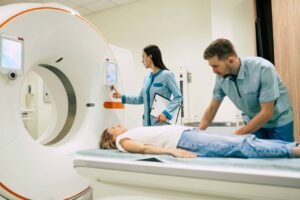
Some health problems develop quietly, showing few symptoms until they begin to affect daily life. High blood pressure, diabetes, certain infections, and other medical conditions may go unnoticed without appropriate evaluation. Diagnostic testing helps healthcare professionals identify these hidden concerns, understand their causes, and determine the next steps for treatment. Through Diagnostic & Imaging Services, patients can access tests that reveal important information about their health, often before a condition becomes more difficult to manage.
Why Hidden Health Problems Can Be Difficult to Detect
Not every medical condition produces obvious warning signs. Some illnesses progress gradually, while others cause symptoms that resemble less serious problems. For example, persistent tiredness might result from poor sleep, anemia, a thyroid disorder, or another underlying issue.
Because symptoms can overlap, doctors cannot always identify a condition through a physical examination alone. They may recommend laboratory tests, imaging scans, or other diagnostic procedures to gather more specific evidence.
Early evaluation is particularly valuable when a person has risk factors such as a family history of certain diseases, previous abnormal test results, or lifestyle-related health concerns. Identifying a problem at an earlier stage may allow treatment or monitoring before complications develop.
However, not every hidden condition can be detected through routine screening. The right approach depends on a person’s age, medical history, symptoms, and individual risk factors.
How Diagnostic Testing Reveals Problems Beneath the Surface
Diagnostic testing gives healthcare providers measurable information about how the body functions and whether its structures appear healthy. Depending on the suspected condition, a clinician may recommend a blood test, urine analysis, electrocardiogram, ultrasound, or another examination.
Each test answers a different clinical question. Blood work may reveal changes in glucose levels, blood cell counts, or organ function, while imaging can help doctors examine internal structures that cannot be assessed directly during a routine physical examination.
Laboratory Tests Identify Changes in Body Function
Laboratory testing is often one of the first steps in investigating a possible health problem. A small blood or urine sample can provide information about metabolism, infection, kidney function, liver health, hormone levels, and other important processes.
For instance, a blood glucose test may identify elevated sugar levels in someone who has not noticed typical diabetes symptoms. A complete blood count may help a doctor investigate unexplained weakness or fatigue by identifying abnormalities that warrant further evaluation.
Nevertheless, laboratory results require context. An abnormal value does not automatically confirm a disease, and a normal result does not rule out every possible condition. Doctors interpret findings alongside symptoms, medical history, examination results, and, when necessary, additional testing.
Medical Imaging Helps Doctors Examine Internal Structures
Medical imaging allows clinicians to examine organs, tissues, bones, and blood vessels without performing traditional exploratory surgery. Different imaging methods provide different types of information, making the choice of examination an important part of the diagnostic process.
For example, ultrasound can help evaluate abdominal organs and certain soft tissues. X-rays are useful for assessing many bone injuries and some chest conditions, while computed tomography (CT) provides detailed cross-sectional images that may reveal internal injuries or other abnormalities.
Magnetic resonance imaging (MRI) can offer detailed views of the brain, spine, joints, and soft tissues. The appropriate method depends on the clinical question, the body area being examined, potential risks, and the information a doctor needs.
Which Diagnostic Tests Can Help Identify Hidden Conditions?
The tests a patient receives depend on the symptoms, suspected illness, and relevant risk factors. A healthcare provider selects an examination based on its expected benefits rather than ordering every available test.
The following table summarizes common diagnostic methods and the types of concerns they may help investigate.
| Diagnostic method | What it evaluates | Examples of potential uses |
|---|---|---|
| Blood tests | Blood cells, glucose, cholesterol, and selected organ or hormone markers | Investigating anemia, diabetes, or metabolic concerns |
| Urine tests | Substances in urine and signs of certain urinary abnormalities | Evaluating urinary infections or possible kidney problems |
| X-rays | Bones and selected internal structures | Assessing fractures and some chest conditions |
| Ultrasound | Soft tissues, organs, and blood flow in suitable applications | Examining abdominal concerns or certain vascular problems |
| CT scans | Detailed cross-sectional images of internal structures | Investigating certain injuries, masses, or internal abnormalities |
| MRI scans | Detailed images of soft tissues and other structures | Evaluating selected brain, spine, joint, or tissue conditions |
| Electrocardiogram (ECG/EKG) | Electrical activity of the heart | Investigating palpitations or certain heart-related symptoms |
These methods do not all serve the same purpose, and some conditions require more than one type of assessment. For example, an imaging finding may lead to laboratory testing, while an abnormal blood result may prompt an ultrasound or another examination.
Importantly, a diagnostic test can suggest a possible problem without providing a definitive diagnosis. Further evaluation may be necessary to confirm the finding and determine its significance.
How Early Detection Can Improve Treatment Decisions
Finding a health concern early can give patients and healthcare providers more time to consider appropriate treatment options. Some conditions are easier to manage before they cause significant tissue damage, interfere with organ function, or lead to other complications.
For example, routine screening may identify elevated cholesterol before a person experiences symptoms of cardiovascular disease. Similarly, appropriate testing can detect prediabetes, allowing patients to discuss nutrition, physical activity, and monitoring strategies with their healthcare providers.
Early detection does not guarantee a better outcome in every case. Some conditions progress despite prompt treatment, and certain screening tests may identify abnormalities that never cause harm. Even so, evidence-based testing can help clinicians make more informed decisions about prevention, treatment, and follow-up.
Recognizing Warning Signs Before Symptoms Worsen
Subtle changes in health can sometimes signal an underlying problem. Unexplained weight changes, persistent fatigue, recurring headaches, unusual thirst, or changes in bowel or urinary habits may deserve medical attention, especially when they continue or worsen.
Rather than assuming these symptoms are harmless, patients should discuss them with a qualified healthcare professional. The clinician can assess possible causes and decide whether testing is appropriate.
Testing is also important when symptoms appear suddenly or become severe. Chest pain, serious breathing difficulties, sudden weakness, or signs of a stroke require urgent medical evaluation rather than waiting for a routine appointment.
The Role of Diagnostic and Imaging Services in Preventive Care
Preventive healthcare focuses on identifying risks and addressing potential problems before they lead to serious illness. Diagnostic evaluations support this process by helping clinicians determine which screenings, laboratory assessments, and follow-up examinations may benefit individual patients.
For example, adults may need blood pressure checks, cholesterol assessments, diabetes screening, or age-appropriate cancer screening, depending on their circumstances. These evaluations can uncover risks even when a person feels healthy.
Diagnostic & Imaging can also support the investigation of findings discovered during routine checkups. If a physical examination reveals an unexplained lump, for instance, a clinician may recommend ultrasound or another suitable examination to understand its characteristics.
However, prevention does not mean undergoing every available test. Unnecessary testing can lead to false alarms, additional procedures, avoidable costs, and anxiety. A personalized plan helps balance the value of early detection against the limitations of individual tests.
How Doctors Choose the Right Diagnostic Approach
Selecting an appropriate test involves more than matching a symptom to a procedure. Doctors consider the patient’s medical history, examination findings, medications, family history, and likelihood of developing a particular condition.
They also consider whether the result would change the next step in care. A test is generally most useful when it can help confirm or exclude a suspected diagnosis, guide treatment, or clarify the need for further evaluation.
Understanding the Benefits and Limitations of Testing
Every diagnostic method has strengths and limitations. Some tests are highly effective at identifying particular conditions but are less useful for others. In addition, false-positive results may suggest a problem that is not present, while false-negative results may miss an existing condition.
Imaging tests also differ in their potential risks. X-rays and CT scans use ionizing radiation, whereas ultrasound and MRI do not. MRI may not be suitable for every patient or implant, and some examinations require contrast agents that need special consideration.
Patients should tell their healthcare provider about pregnancy or possible pregnancy, allergies, kidney problems, implanted devices, and relevant medications when appropriate. The care team can then assess precautions and consider suitable alternatives.
How Patients Can Prepare for More Accurate Results
Good preparation helps patients complete diagnostic procedures safely and reduces the risk of avoidable delays. Instructions vary by test, so patients should follow the specific guidance provided by their healthcare team rather than relying on general advice.
Depending on the examination, preparation may involve fasting, drinking water, adjusting the timing of certain medications under medical guidance, or arriving with previous test results. Many routine tests require little preparation, while others have more detailed requirements.
Before an appointment, consider taking these practical steps:
- Confirm the instructions: Ask whether you need to fast, change your usual routine, or bring any documents.
- Share relevant medical information: Mention allergies, medications, previous procedures, and known health conditions.
- Bring earlier results when available: Previous reports may help clinicians compare findings and identify meaningful changes over time.
- Ask about the process: Understanding how the test works and when results may be available can make the experience less stressful.
- Clarify follow-up arrangements: Find out who will explain the results and what to do if you have questions.
If you are unsure about preparation or medication instructions, contact the healthcare team before the appointment. Never stop a prescribed medication or change its dose without appropriate medical advice.
Understanding Results and the Next Steps
Receiving a test report is only one part of the diagnostic process. The findings must be interpreted in context to determine whether they indicate a medical condition, a temporary change, or a result that needs further investigation.
For example, a mildly abnormal laboratory value may have several explanations, including temporary illness or medication effects. Similarly, an imaging scan may reveal an incidental finding unrelated to the symptoms that prompted the examination.
Depending on the results, a clinician may recommend observation, repeat testing, lifestyle changes, medication, specialist evaluation, or another diagnostic procedure. In some cases, no additional action is needed beyond routine monitoring.
Patients should ask their healthcare provider to explain unfamiliar medical terms, the significance of any abnormal findings, and whether the results require prompt attention. If a report recommends follow-up, arranging that appointment helps prevent important findings from being overlooked.
Making Diagnostic Care More Accessible and Patient-Friendly
Access to appropriate testing can help patients address health concerns without unnecessary delays. However, affordability, transportation, appointment availability, insurance coverage, and uncertainty about where to begin can create barriers.
Patients can start by discussing their concerns with a primary care provider, who can determine which examinations are appropriate and help coordinate referrals when needed. Some patients may also be directed to specialized facilities for particular laboratory procedures or imaging studies.
Before scheduling, ask the facility whether it accepts your insurance, whether a referral or prior authorization is required, and what out-of-pocket expenses may apply. Medicare, Medicaid, and private insurance plans have different coverage rules, so patients should verify their individual benefits.
Clear communication also makes diagnostic care more useful. When patients understand why a test is recommended, what it can reveal, and how the results may affect their care, they can participate more confidently in medical decisions.
Conclusion
Hidden health problems can develop without obvious symptoms, making appropriate diagnostic evaluation an important part of preventive and ongoing healthcare. Laboratory testing, medical imaging, and other examinations provide valuable information that helps clinicians investigate concerns, identify potential abnormalities, and plan suitable next steps. Although no test can detect every condition or guarantee a specific outcome, choosing the right examination at the right time can support informed medical decisions. Patients can make the process more effective by sharing their medical history, following preparation instructions, and discussing their results with a qualified healthcare professional. Taking concerns seriously and arranging appropriate care can help protect long-term health.
FAQs
1. What is the main purpose of diagnostic testing?
Diagnostic testing helps healthcare professionals investigate symptoms, identify possible diseases, evaluate organ function, and confirm or rule out suspected medical conditions. It can also support screening and help clinicians determine whether further evaluation or treatment is needed.
2. Can diagnostic tests detect health problems before symptoms appear?
Yes. Certain screening tests can identify conditions such as high blood pressure, elevated cholesterol, or abnormal blood glucose before noticeable symptoms develop. However, screening recommendations depend on factors such as age, medical history, and individual risk, and not every condition has an effective screening test.
3. Are medical imaging tests safe?
Most imaging procedures are considered safe when appropriately selected and performed. Ultrasound and MRI do not use ionizing radiation, while X-rays and CT scans do. Healthcare professionals consider the expected benefits, potential risks, and patient-specific factors before recommending an examination.
4. How long does it take to receive diagnostic test results?
The time varies by test and facility. Some laboratory results may be available within hours or a few days, while specialized tests and imaging interpretations may take longer. Patients should ask their healthcare team when to expect results and how those results will be communicated.
5. What should I do if my diagnostic test results are abnormal?
Contact the healthcare professional who ordered the test to discuss what the findings mean and whether further evaluation is necessary. An abnormal result does not always indicate a serious illness, but it should be interpreted in context. Seek urgent care if you experience severe or rapidly worsening symptoms, regardless of previous test results.