Breast augmentation is a personal decision that involves more than choosing an implant size. Every individual has different expectations, body proportions, lifestyle considerations, and ideas about what a satisfying result should look like. For some people, the aim may be to achieve greater breast volume, while others may wish to improve symmetry, restore fullness, or create a more balanced silhouette.
Before surgery, a detailed consultation helps establish these priorities and determine how they can be approached through an appropriate surgical plan. At Cornerstone Clinic, understanding the patient’s preferences and assessing their individual anatomy are important considerations when discussing Breast Augmentation Dubai.
The evaluation process combines a discussion of aesthetic goals with a clinical assessment of breast shape, existing tissue, chest proportions, and personal preferences. This helps ensure that decisions about implant size, shape, and placement are based on individual needs rather than general trends or standardised measurements.
Why Are Individual Aesthetic Goals Important Before Breast Augmentation?
No two people have exactly the same body proportions or expectations. An implant size that appears balanced on one person may look very different on someone with a narrower chest, a smaller frame, or a different amount of natural breast tissue.
For this reason, aesthetic planning begins by understanding what the patient hopes to achieve. Some individuals prefer a subtle enhancement that maintains their existing proportions, whereas others may want a more noticeable increase in volume. Neither preference is automatically better; the important consideration is whether the desired outcome can be approached realistically and appropriately for the individual’s anatomy.
During the initial consultation, patients can explain what they like about their current appearance and what they would prefer to change. They may discuss breast fullness, the relationship between the upper and lower portions of the breast, or differences in size between the two sides.
This conversation gives the surgeon a clearer understanding of the patient’s priorities. It also provides an opportunity to explain how anatomical factors may influence the final appearance and which options are worth considering.
How Does the Initial Consultation Establish the Patient’s Expectations?
The initial consultation provides the foundation for an individualised breast augmentation plan. Rather than beginning with a particular implant size, the discussion should focus on the patient’s desired changes and the reasons behind them.
Patients may describe their goals using everyday language, such as wanting a fuller appearance in clothing, a more rounded shape, or improved balance between the breasts and hips. These descriptions help identify the visual characteristics that matter most to the individual.
The surgeon may ask questions about preferred proportions, previous experiences with clothing or bras, and whether the patient wants a natural-looking enhancement or a more prominent result. It can also be useful to discuss how the patient hopes the result will look in different types of clothing and during everyday activities.
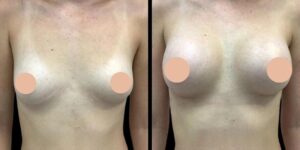
Reference photographs may help communicate preferences, although they should be treated as examples rather than guarantees of an identical outcome. Differences in chest width, existing tissue, skin characteristics, and overall anatomy mean that the same implant can produce different results in different people.
A productive consultation allows patients to ask questions, clarify uncertainties, and develop a shared understanding with the surgeon. This process helps turn general aesthetic preferences into practical considerations for surgical planning.
How Are Body Proportions Evaluated Before Surgery?
Body proportions play a central role in determining an appropriate approach to breast augmentation. The aim is to consider the breasts in relation to the person’s overall frame rather than evaluating breast volume in isolation.
Chest Width and Shoulder Proportions
Chest width influences how breast volume is distributed across the front of the body. The width of the breast base is particularly relevant when assessing implant dimensions. An implant that is too wide for the available breast base may create a different appearance from the one the patient expects.
Shoulder width, torso length, and the relationship between the chest and hips may also contribute to the overall aesthetic assessment. These features help the surgeon discuss how different implant dimensions could affect the body’s visual balance.
Existing Breast Volume and Shape
The amount and distribution of natural breast tissue influence how an implant may appear after surgery. Some patients have limited existing volume, while others have sufficient tissue but want additional fullness in particular areas.
The natural breast shape also matters. The surgeon assesses features such as the position of the nipple, the shape of the lower breast, and the distribution of existing fullness. These observations help guide the discussion about which implant characteristics may be appropriate.
Overall Body Frame
Height, body frame, and personal proportions can help provide context for aesthetic planning. However, there is no single implant size that is universally suitable for a particular height or weight.
A personalised assessment considers several measurements alongside the patient’s preferences. The purpose is to explore an appropriate range of options while maintaining realistic expectations about the appearance that may be achieved.
How Is the Appropriate Breast Implant Size Discussed?
Implant size is one of the most frequently discussed aspects of breast augmentation, but choosing an implant involves more than selecting a cup size. Cup sizes vary between bra manufacturers, and they do not provide a precise measurement of implant volume.
Implants are commonly described in cubic centimetres (cc). However, the same volume can create different visual effects depending on implant width, projection, shape, and the patient’s existing anatomy.
During the consultation, the surgeon may compare several implant dimensions and explain how they could influence the overall appearance. The discussion can include whether the patient prefers a softer, more understated result or a fuller and more prominent profile.
Some clinics use implant sizers or digital visualisation tools to help patients communicate their preferences. These methods can support the decision-making process, but they cannot reproduce the exact result of surgery.
It is equally important to discuss the difference between the preferred size and the size that best fits the patient’s anatomy. A careful assessment helps establish whether the desired volume is compatible with the available breast tissue and chest dimensions.
The final decision should reflect a shared understanding of the patient’s goals, the surgeon’s clinical assessment, and the characteristics of the available implants.
How Do Breast Shape and Symmetry Influence Surgical Planning?
Natural breasts often differ slightly in size, shape, or position. These differences are common and may become more noticeable when a person begins considering augmentation.
Before surgery, the surgeon evaluates the existing breast shape and identifies any asymmetry that may influence the proposed result. This can include differences in breast volume, nipple position, breast base width, or the way each breast sits on the chest wall.
The patient’s priorities are important during this assessment. One person may be primarily concerned about unequal volume, while another may wish to improve overall fullness without attempting to make both breasts look identical.
Breast augmentation can improve volume and may help address certain differences, but the extent of improvement depends on the underlying anatomy. The consultation should establish which changes are realistic and whether augmentation alone is likely to address the patient’s main concerns.
In some cases, the discussion may include whether an alternative or additional procedure would be more suitable for the desired outcome. The purpose is to develop a plan that reflects the patient’s priorities while accounting for natural anatomical differences.
What Factors Influence Implant Shape and Placement?
Implant selection involves several considerations beyond volume. Shape, profile, and placement can influence how the breasts look from the front and side, as well as the distribution of fullness.
Implant Shape and Profile
Implants are available in different shapes and profiles. Depending on the options offered, a patient may discuss round implants or anatomically shaped designs, along with different levels of projection.
A round implant may be considered by someone seeking greater fullness in the upper breast, while other implant designs may be discussed when a particular contour is preferred. However, the final appearance depends on the implant’s dimensions and the patient’s natural tissue, not simply its shape.
Profile refers to how far an implant projects from the chest relative to its base width. Understanding this distinction helps patients compare options that may have similar volumes but create different visual effects.
Implant Placement
The surgeon also evaluates possible implant placement in relation to the existing breast tissue and chest muscles. The most appropriate approach depends on individual anatomy, the amount of tissue available to cover the implant, and the intended aesthetic result.
During the consultation, patients should have the opportunity to understand the available options and how each relates to their goals. Rather than choosing placement based on a general preference, the decision should follow an individual clinical assessment.
How Do Lifestyle and Future Plans Affect Aesthetic Goals?
A breast augmentation plan should reflect the patient’s everyday life as well as their preferred appearance. Lifestyle considerations can influence how a particular size or shape fits into daily routines.
For example, someone who regularly participates in running, strength training, or other physical activities may wish to discuss how breast volume could affect comfort during exercise. Another patient may place greater importance on how clothing fits or how the breasts appear in different styles.
Future plans can also be relevant. Pregnancy, breastfeeding, and changes in body weight may affect breast volume and shape over time. Patients who anticipate these changes can discuss their expectations with the surgeon when deciding whether the timing of surgery suits their circumstances.
These conversations help place immediate aesthetic goals within a longer-term perspective. The intention is not to predict exactly how the body will change, but to ensure that the patient understands the factors that may influence their result in the future.
What Is the Role of Photographs and Implant Sizers?
Visual references can make conversations about aesthetic preferences more specific. Patients sometimes find it difficult to describe the difference between a subtle enhancement and a fuller, more rounded appearance using words alone.
Photographs of preferred breast shapes may help communicate these distinctions. Rather than focusing exclusively on a particular person’s appearance, it can be useful to identify the characteristics that appeal to you, such as upper breast fullness, overall volume, or the profile seen from the side.
Implant sizers may also help patients compare approximate volumes and understand how different sizes feel or appear under clothing. Where available, digital imaging may provide another way to discuss potential changes in proportion.
These tools support communication but cannot guarantee an exact surgical outcome. A photograph or trial sizer cannot fully reproduce how an implant will interact with an individual’s natural breast tissue and chest anatomy.
The surgeon’s examination remains essential when translating visual preferences into a practical plan.
How Is the Cost of Breast Augmentation Considered?
Understanding the financial aspects of surgery is another part of preparing for treatment. The Breast Augmentation Cost in Dubai may vary depending on the clinic, surgeon’s expertise, implant selection, surgical facilities, and the services included in the treatment package.
During a consultation, patients can ask for a clear explanation of the proposed treatment plan and its associated fees. It is helpful to understand whether the quoted amount includes the surgeon’s fee, anaesthesia, hospital or facility charges, implants, follow-up appointments, and other relevant services.
Cost should be considered alongside the quality of assessment, the suitability of the proposed approach, and the level of care provided. Choosing an option based only on the lowest advertised price may not provide enough information to judge whether it meets an individual’s needs.
A personalised consultation allows patients to understand which options are being recommended and why. It also provides an opportunity to ask questions about the treatment process before making a decision.
How Can Patients Prepare for Their Breast Augmentation Consultation?
Preparing for an appointment can help make the discussion more productive. Patients do not need to decide on an exact implant size beforehand. Instead, they can focus on identifying the changes that matter most to them.
Consider the following steps before attending a consultation:
- Think about whether your main priority is increased volume, improved symmetry, a different breast shape, or a combination of these goals.
- Bring a small selection of reference photographs if they help you explain your preferences.
- Consider how you would like your breasts to look in everyday clothing, swimwear, and other situations that matter to you.
- Prepare questions about implant dimensions, shape, profile, placement, and the likely appearance of different options.
- Share relevant medical history, previous breast procedures, current medicines, and any future pregnancy or breastfeeding plans.
- Ask how the proposed approach relates to your anatomy and what limitations should be understood before proceeding.
It is also important to feel comfortable discussing your expectations openly. If a recommendation is unclear, asking for further explanation can help you make a more informed decision.
A good consultation should leave you with a clearer understanding of the available choices, the reasoning behind the proposed plan, and the realistic outcomes that may be possible.
Conclusion
Evaluating individual aesthetic goals is an essential part of planning breast augmentation. The process begins with understanding what the patient hopes to achieve and continues through an assessment of breast anatomy, body proportions, natural symmetry, implant dimensions, and lifestyle considerations.
There is no universally ideal implant size or shape. The most appropriate option depends on the relationship between the patient’s preferences and the characteristics of their body. Photographs and implant sizers can help communicate these preferences, while clinical measurements and professional guidance help establish a suitable approach.
For anyone considering Breast Augmentation Dubai, a detailed consultation at Cornerstone Clinic can provide an opportunity to discuss personal goals, understand the available options, and ask questions about the proposed treatment. Taking time to evaluate these factors can support a more informed decision and help establish realistic expectations before surgery.
Frequently Asked Questions
1. How are aesthetic goals evaluated before breast augmentation?
The surgeon discusses the patient’s preferred breast size, shape, fullness, and overall proportions. This conversation is combined with an examination of breast anatomy and measurements to develop an individualised surgical plan.
2. How do I know which breast implant size is right for me?
The appropriate size depends on your chest width, existing breast tissue, breast dimensions, body proportions, and desired appearance. Implant volume is measured in cubic centimetres rather than bra cup sizes, and a consultation helps identify suitable options.
3. Can I bring photographs to my breast augmentation consultation?
Yes. Reference photographs can help you communicate the breast shape, fullness, and proportions you prefer. However, your results may differ from the examples because every person’s anatomy is different.
4. Does breast augmentation improve breast asymmetry?
Breast augmentation may help improve certain differences in breast volume and appearance. The degree of improvement depends on the type and extent of the asymmetry, and the surgeon will explain what may be achievable through an individual assessment.
5. What is the difference between implant size and implant profile?
Implant size generally refers to volume, measured in cubic centimetres. Profile describes how far the implant projects from the chest relative to its base width. Both characteristics influence the appearance of the breasts.
6. How long does a breast augmentation consultation take?
The appointment length varies according to the patient’s needs and the clinic’s process. A consultation generally includes discussing aesthetic goals, reviewing relevant medical history, examining breast anatomy, considering implant options, and answering questions about treatment.
7. What determines Breast Augmentation Cost in Dubai?
The cost may depend on the surgeon, clinic, implant type, surgical facility, anaesthesia, and the services included in the treatment package. A personalised quotation can clarify the expected costs for the proposed procedure.
8. Can my lifestyle influence my breast augmentation plan?
Yes. Exercise habits, clothing preferences, daily activities, and future plans may influence discussions about implant size and shape. Sharing these details helps the surgeon understand your priorities when developing the treatment plan.
9. Do I need to choose an implant size before my consultation?
No. It is helpful to have a general idea of your preferred appearance, but you do not need to select an exact volume in advance. The surgeon can explain which options may suit your anatomy and aesthetic goals.
10. How do I begin planning Breast Augmentation Dubai?
The first step is to arrange a consultation with a suitably qualified plastic surgeon. You can discuss your goals, review the available options, understand the proposed approach, and ask questions before deciding whether to proceed.