Moving costly machinery takes more than a truck and a few helping hands. One small mistake can lead to damage, delays, and expensive repairs. Therefore, high value equipment relocation needs careful planning from start to finish. Many machines come with strict warranty rules. These rules may cover packing, lifting, transport, and installation. If you ignore them, you could lose valuable protection. The good news is that a few simple steps can help. By checking warranty terms, hiring skilled movers, and keeping clear records, you can protect your equipment and avoid trouble down the road.
- Read the Fine Print Before Moving
Before moving any machine, read its warranty terms. Look for rules about lifting, packing, transport, and setup. Some manufacturers require special handling or approval before a move. Others may limit coverage if an untrained person handles the equipment. Knowing these rules early can save you from costly surprises later.
If anything seems unclear, contact the manufacturer before moving day. Ask what steps you must follow to keep the warranty valid. Also, check whether you need written approval. It is better to clear things up now than face a rejected claim later.
- Keep the Manufacturer in the Loop
A quick call to the manufacturer can make a big difference. Explain where the equipment will go and how you plan to move it. The support team may share useful tips based on the machine’s design. They can also point out risks that you might miss.
Some machines need special care before transport. For example, you may need to drain fluids, secure loose parts, or disconnect power in a set order. Follow the given steps closely. Keep copies of emails and written instructions, too. These records can help show that you followed the right process.
- Choose Skilled Movers Who Know the Job
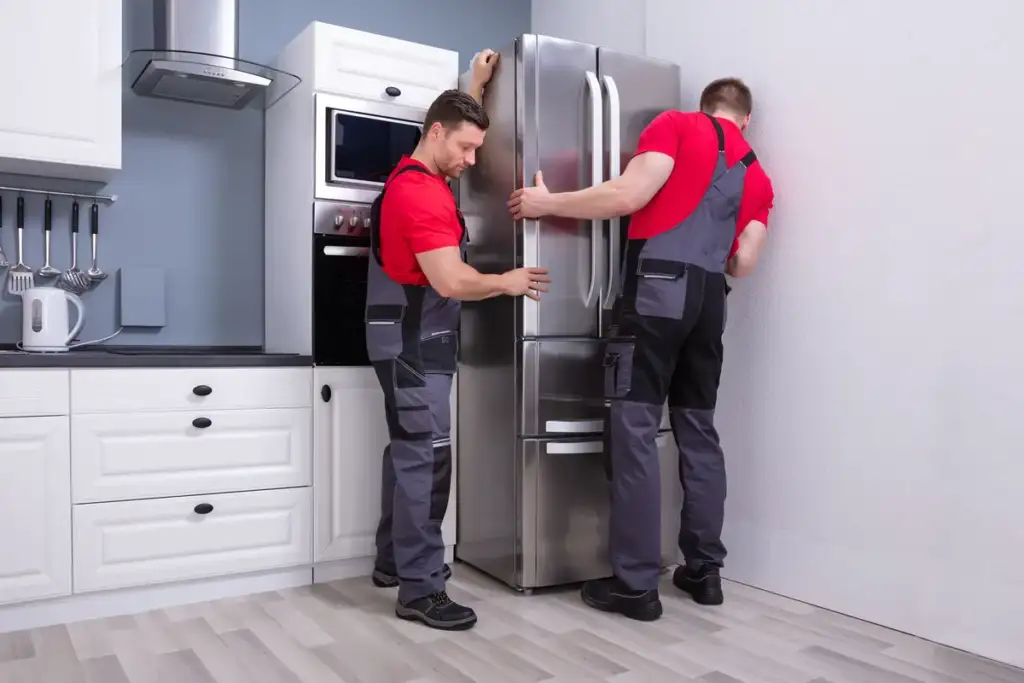
Not every moving team can handle heavy or delicate machinery. Large machines need the right tools, trained workers, and safe lifting methods. A poor choice can lead to broken parts, bent frames, or costly delays. So, check a mover’s experience before making a decision.
Ask about similar jobs, safety steps, and insurance cover. Also, explain any warranty rules that apply to your equipment. A skilled team should review these details before the move. During high value equipment relocation, careful handling is key. Put the agreed plan and each party’s duties in writing to avoid confusion.
- Take Photos and Keep Every Record
Before the move, take clear photos of the machine from all sides. Capture its control panel, cables, visible parts, and any marks or damage. This gives you a record of its condition before transport. If a problem comes up later, you can compare the photos with the machine’s new condition.
Next, gather the warranty papers, service history, manuals, and repair records. Write down the machine’s serial number and inspection details. Keep copies of these files in a safe place. Also, record key steps during packing, loading, delivery, and setup. A clear paper trail can save you a lot of hassle if you need to file a warranty claim.
- Pack It Right to Prevent Damage
Good packing protects more than the machine’s outer surface. It can also prevent loose parts, broken sensors, and damage from bumps along the way. First, check the manufacturer’s packing guide. Use suitable covers, padding, and supports to protect sensitive parts during the trip.
Never guess where workers should lift the machine. Use the marked lifting points and the right equipment. If you lift it from the wrong spot, you may damage its frame or internal parts. Also, secure loose items before loading. Taking these simple steps helps keep the machine safe and lowers the risk of warranty problems.
Conclusion
Protecting a manufacturer’s warranty starts before moving day. Read the rules, ask questions, hire trained movers, and keep good records. Also, use safe packing methods and follow the correct setup steps. These simple habits can help prevent damage and reduce repair costs. Most importantly, never assume that warranty coverage will stay valid without checking the terms.
With proper planning, businesses can move valuable machinery with greater peace of mind. Working with experienced heavy equipment movers in Denver can also help ensure safe handling and careful transport. A little effort upfront can save time, money, and stress later.